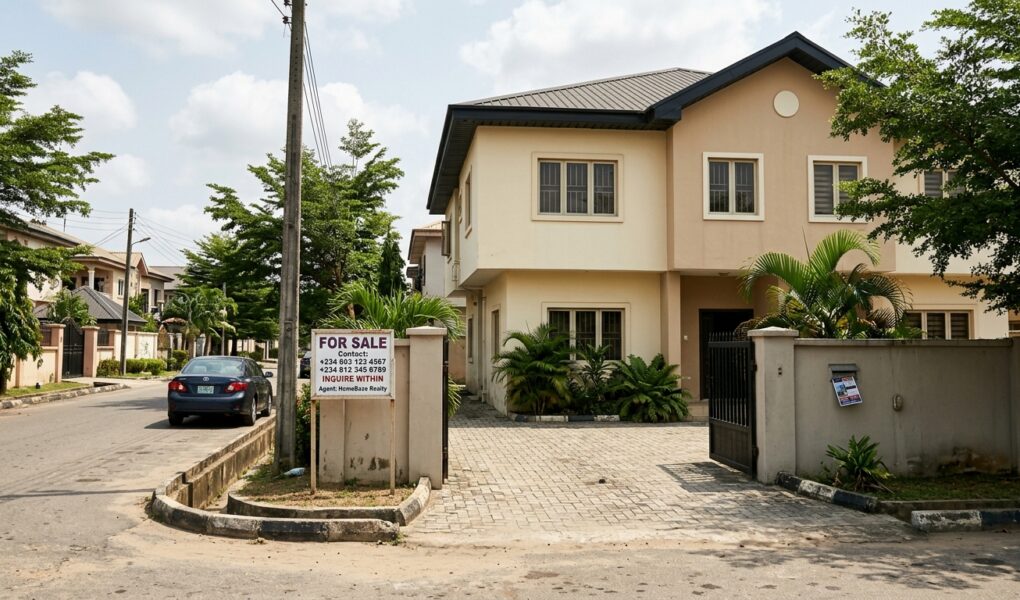
Selling a property in Nigeria can sometimes take weeks or months, but some houses, plots of land, and commercial properties remain on the market for years without attracting a serious buyer. Even when the owner believes the property is valuable, potential buyers may continue to walk away, negotiate aggressively, or lose interest entirely.
If you have ever wondered why a property can remain unsold for so long while similar properties in the same area attract buyers, the answer often goes beyond location. Pricing, documentation, accessibility, property condition, marketing, and buyer confidence all influence how quickly a property sells.
For property owners, real estate agents, and investors, understanding these factors can help prevent costly delays and improve the chances of finding the right buyer.
In this article, we explore the major reasons some properties remain unsold for years in Nigeria and what property owners can do to make their properties more attractive to potential buyers.
1. The Asking Price Is Too High
One of the most common reasons properties remain unsold is unrealistic pricing.
Some property owners determine their asking price based on personal expectations, emotional attachment, the amount they spent building the property, or the price a neighbour claims to have received for a similar property.
Unfortunately, buyers do not necessarily value a property according to the owner’s expectations.
For example, a homeowner may demand ₦80 million for a house because of the amount invested in construction. However, if comparable properties in the same neighbourhood are selling for around ₦55 million to ₦65 million, buyers may consider the asking price excessive.
Even interested buyers may refuse to negotiate if they believe the seller is unwilling to accept a reasonable offer.
What property owners can do: Research comparable properties, consider the property’s condition and location, and obtain an independent valuation where necessary. A realistic asking price can attract more serious enquiries and reduce the time a property spends on the market.
2. The Property Is in a Poor Location
Location remains one of the most important factors influencing property demand.
A house may be beautifully designed and well constructed, yet struggle to sell because it is far from essential facilities, employment centres, major roads, schools, markets, or other places buyers need to access regularly.
In some developing areas, properties may also be difficult to reach because the access roads are narrow, unpaved, flooded during the rainy season, or poorly maintained.
A buyer considering a house for personal use may worry about daily transportation costs, security, road conditions, and access to basic services. Investors may have similar concerns because a difficult location can affect rental demand and future resale prospects.
What property owners can do: Highlight genuine location advantages, such as proximity to transport routes, schools, business districts, or established amenities. If access is a major problem, consider whether improving the entrance or providing clear directions and access information could help.
Avoid exaggerating the area’s development prospects. Buyers increasingly want evidence, not just promises.
3. The Property Has Incomplete or Unclear Documents
Documentation problems can discourage buyers even when a property appears attractive.
In Nigeria, buyers may want to examine documents such as a registered title, Certificate of Occupancy where applicable, Deed of Assignment, survey plan, and other records relevant to the particular property and location.
When the seller cannot provide the necessary documents, gives inconsistent information, or refuses to allow independent verification, potential buyers may suspect that something is wrong.
Some properties also have unresolved family ownership disputes, competing claims, government acquisition concerns, or disagreements over inheritance.
A cautious buyer may decide that the legal risks are too significant, especially when purchasing a property requires a substantial financial commitment.
What property owners can do: Organise all available documents before advertising the property. Resolve outstanding ownership issues where possible and allow the buyer’s independent lawyer and surveyor to conduct appropriate checks.
Remember that a document’s existence does not automatically establish a valid title. The relevant records and ownership history should be properly verified.
4. Buyers Do Not Trust the Seller or Agent
Trust plays a major role in Nigerian real estate transactions.
Many buyers have heard stories of fraudulent land sales, multiple allocations, misleading property advertisements, and sellers who disappear after receiving deposits. These experiences can make them cautious, even when dealing with a legitimate seller.
A seller who avoids direct questions, refuses reasonable inspections, changes the asking price without explanation, or pressures buyers to pay immediately may create unnecessary suspicion.
Similarly, an agent who cannot explain the property’s ownership, charges unexplained fees, or provides inconsistent information may discourage potential customers.
What property owners can do: Be transparent about the property, its ownership, its condition, its price, and any known limitations. Provide verifiable information and give buyers sufficient time to conduct their due diligence.
Trust is not built by making the loudest promises. It is built by providing evidence and behaving consistently.
5. The Property Is Difficult to Access
Accessibility can make the difference between an attractive property and one that buyers continually reject.
A plot of land may be situated in a promising developing area, but if reaching it requires a long journey on a bad road, crossing difficult terrain, or passing through another person’s property, buyers may hesitate.
The problem becomes more serious during the rainy season when some roads become muddy, waterlogged, or impassable.
For residential buyers, poor access affects daily living. For investors, it can increase development costs and make the property harder to resell.
What property owners can do: Explain the actual route to the property and arrange inspections at different times or under realistic road conditions. If a legal access route exists, provide supporting information where appropriate.
Never describe a footpath as a proper motorable road or claim that a road project is approved without reliable evidence.
6. The Property Is in an Area With Low Demand
Not every location attracts the same number of buyers.
Some neighbourhoods have strong demand because they are close to workplaces, schools, commercial centres, transport links, or established residential communities. Others may have limited demand because they are remote, underdeveloped, or poorly connected to economic activity.
A property can remain unsold for years simply because there are few people actively looking to buy in that particular area at its asking price.
This is especially important for investors who purchase land based mainly on predictions that the area will eventually develop.
Future development may happen, but the timing and extent are uncertain. A property owner may therefore wait many years for buyers who never arrive in the expected numbers.
What property owners can do: Assess actual demand before setting expectations. Speak with local agents, examine comparable transactions where reliable information is available, and identify the types of buyers most likely to be interested.
Do not assume that every developing area will experience rapid appreciation.
7. The Property Needs Too Many Repairs
A property that looks attractive from the outside may have hidden problems that make buyers reconsider their offers.
Common concerns include leaking roofs, cracked walls, faulty plumbing, poor electrical installations, damaged ceilings, inadequate drainage, and water entering the building during heavy rainfall.
Older houses may also require substantial renovation before they become comfortable or safe to occupy.
Even when the seller is willing to negotiate, buyers may struggle to estimate the full cost of repairs. They may prefer a property that requires less work.
For example, a house advertised for ₦45 million may initially appear affordable. However, if buyers expect to spend another ₦10 million on major repairs, they may conclude that the total cost is no longer attractive.
What property owners can do: Carry out a proper inspection before putting the property on the market. Repair major defects where financially sensible and disclose known problems honestly.
If the property is being sold in its existing condition, price it accordingly and make the expected renovation requirements clear.
8. The Property Is Not Suitable for Its Target Buyers
Sometimes a property remains unsold because the seller is targeting the wrong market.
A large luxury house in a neighbourhood dominated by modest-income households may have a limited pool of potential buyers. Likewise, a small residential building may struggle if it is marketed to buyers looking for premium family accommodation.
The same problem affects commercial properties. A shop may be unsuitable for the businesses operating in its neighbourhood, or an office building may lack the parking, layout, utilities, or accessibility expected by its intended occupants.
What property owners can do: Identify the people most likely to benefit from the property.
Ask whether it is best suited to a family, a first-time homeowner, a landlord, a business owner, a developer, or a long-term land investor. Then tailor the pricing, marketing message, and presentation to that audience.
The goal is not to convince everybody to buy the property. It is to reach buyers for whom the property makes practical and financial sense.
9. The Seller Is Not Willing to Negotiate
Negotiation is a normal part of many property transactions in Nigeria.
Some sellers, however, treat every lower offer as an insult. They may refuse to consider reasonable proposals even when the property has remained unsold for a long time.
A buyer who offers ₦60 million for a property listed at ₦65 million may be serious and financially prepared. If the seller refuses to discuss the offer, the buyer may move on to another property.
This does not mean sellers should accept every offer. A buyer may offer an amount far below the property’s realistic value, and owners have the right to protect their financial interests.
The problem arises when sellers refuse to assess genuine offers against current market conditions.
What property owners can do: Establish a realistic minimum acceptable price before negotiations begin. Consider the costs of continuing to hold the property, including maintenance, security, taxes or levies where applicable, and the opportunity cost of having capital tied up.
A reasonable negotiation strategy can sometimes produce a better outcome than waiting indefinitely for the perfect offer.
10. The Marketing Is Poor or Inadequate
A property cannot attract buyers who do not know it exists.
Some property owners depend entirely on a signboard, a few WhatsApp messages, or a single agent who may not actively promote the listing.
Others advertise using poor-quality photographs, incomplete descriptions, incorrect location details, or no clear explanation of the property’s selling points.
An advertisement that simply says “House for Sale” gives potential buyers little reason to make an enquiry.
What property owners can do: Use clear photographs, an accurate description, a realistic asking price, and a precise location or useful directions. Include relevant details such as the property type, number of bedrooms, land size where verified, access conditions, available facilities, and documentation status.
Promote the property through suitable online platforms, reputable agents, local networks, and relevant property listings.
Marketing should help qualified buyers understand what is being offered before arranging an inspection.
11. The Seller Uses Too Many Agents Without Coordination
Working with several agents can increase exposure, but it can also create confusion when the arrangement is poorly managed.
For example, different agents may advertise the same property at different prices. One may claim the seller will accept ₦50 million, while another insists the price is ₦60 million.
Some may use outdated photographs or provide conflicting information about the property’s documents and availability.
Buyers may interpret these inconsistencies as signs of desperation, dishonesty, or an unreliable sales process.
What property owners can do: Agree on the official asking price, approved marketing materials, and accurate property details. Make the agency arrangement clear, including whether agents are working exclusively or independently.
Where several agents are involved, ensure that all of them communicate consistent information and understand the seller’s actual terms.
12. There Are Legal or Ownership Disputes
A property may remain unsold because its ownership is contested or its legal status is uncertain.
Examples include disputes among family members, disagreements between heirs, overlapping land allocations, competing claims from different sellers, or unresolved interests affecting the property.
Even when one person claims to own the property, a prospective buyer may be unwilling to proceed until the competing interests are investigated and resolved.
These concerns can affect both land and completed buildings.
What property owners can do: Seek advice from a qualified property lawyer to determine what needs to be resolved before a sale can proceed. Depending on the circumstances, this may involve confirming ownership, obtaining necessary consents, clarifying inheritance rights, or addressing competing claims.
Do not attempt to hide an ownership dispute in the hope that a buyer will overlook it. A transaction involving unresolved claims can expose both parties to serious financial and legal risks.
13. The Property Has Unfavourable Environmental Conditions
Environmental problems can significantly reduce the attractiveness of a property.
Examples include recurrent flooding, poor drainage, erosion, unstable ground, nearby waste disposal sites, excessive noise, and unpleasant odours from surrounding activities.
Some buyers may discover these issues during an inspection or after speaking with residents in the neighbourhood.
Others may become concerned when they notice that the property is unusually cheap compared with similar buildings nearby.
A property can be beautifully finished and still struggle to sell if buyers believe the surrounding environment will create recurring expenses or discomfort.
What property owners can do: Understand the environmental conditions affecting the property and disclose known material issues. Where possible, obtain professional advice about drainage, structural concerns, or other technical problems.
Avoid spending money on cosmetic improvements while ignoring a major environmental issue that could influence a buyer’s decision.
14. The Property Has Been on the Market for Too Long
A property that has remained unsold for several years may develop a reputation among local buyers and agents.
People may begin to ask why nobody has bought it. Some may suspect hidden ownership problems, an inflated price, structural defects, or an uncooperative seller.
These assumptions are not always correct, but a long marketing period can create additional questions that the seller must address.
Repeatedly advertising the same property without changing the price, presentation, or marketing strategy may produce little improvement.
What property owners can do: Review the entire sales strategy rather than simply reposting the advertisement.
Check whether the price remains competitive, whether the documents are ready, whether the photographs accurately represent the property, and whether the listing reaches the right buyers.
If the property has been marketed for a long time, explain any genuine improvements or changes that may make it more attractive now.
15. Buyers Cannot See the Property’s Practical Value
Some sellers focus on features that matter to them but overlook the benefits buyers are actually seeking.
A seller may emphasise expensive tiles, decorative ceilings, imported fittings, or elaborate architectural details. However, a potential buyer may be more concerned about reliable water supply, security, parking, road access, maintenance costs, or the property’s potential rental income.
Similarly, a land seller may focus on the size of the plot without explaining the access arrangements, permitted use, verified title status, or practical suitability for development.
What property owners can do: Market benefits rather than relying only on features.
Explain how the property can meet the buyer’s needs, but support claims with verifiable facts. If you mention rental income, development permissions, or future infrastructure, distinguish confirmed information from estimates and expectations.
16. The Seller Is Not Ready to Complete the Transaction
Sometimes a property is advertised for sale even though the owner is not fully prepared to sell it.
The seller may be unwilling to provide documents, may need approval from other owners, may not have agreed on a minimum price with family members, or may be uncertain about when the property can be handed over.
Potential buyers can lose confidence when the seller repeatedly changes the terms or delays important steps.
A serious buyer may eventually choose a property with a more organised seller, even if the alternative is slightly more expensive.
What property owners can do: Confirm that all relevant owners agree to the sale and understand the terms. Prepare the required paperwork, decide on acceptable payment arrangements, and clarify when possession can be transferred.
Being ready to complete the transaction makes the property more appealing to serious buyers.
How to Make a Property That Has Been Unsold for Years More Attractive
If your property has been on the market for a long time, consider taking these steps before spending more money on advertising.
- Review the price: Compare it with similar properties and seek an independent valuation if necessary.
- Verify the documents: Resolve outstanding documentation and ownership concerns where possible.
- Inspect the property: Identify structural defects, drainage problems, access issues, and other factors that could discourage buyers.
- Improve the presentation: Use clear photographs, accurate descriptions, and a clean, well-maintained viewing environment.
- Identify the right buyer: Decide whether the property is best suited to a homeowner, investor, developer, or commercial buyer.
- Review your marketing channels: Work with agents and platforms that can reach the intended audience.
- Be open to reasonable negotiations: Set a realistic minimum price and evaluate serious offers objectively.
- Be transparent: Provide accurate information about the property’s condition, title, location, and limitations.
- Gather feedback: Ask agents and prospective buyers why they decided not to proceed. Look for recurring concerns.
- Reassess the strategy: If enquiries remain weak, consider whether the price, target market, or property offering needs to change.
Not every property needs expensive renovation or a drastic price reduction. Sometimes, correcting a documentation problem, improving the advertisement, or targeting a different group of buyers can make a meaningful difference.
Should You Buy a Property That Has Remained Unsold for Years?
A property that has remained unsold for years is not automatically a bad investment. It may be fairly priced, legally sound, and suitable for a buyer whose needs differ from those of previous prospects.
However, a long period without a sale is a reason to investigate carefully.
Before making an offer, consider the following:
- Why has the property remained unsold?
- Is the asking price supported by comparable market evidence?
- Are the ownership documents and relevant records verifiable?
- Is there any dispute, acquisition issue, or restriction affecting the property?
- Are the access road, drainage, and surrounding environment suitable?
- Does the building need major repairs?
- Is there genuine demand for this type of property in the area?
- Will the property meet your intended use or investment goals?
Ask the seller and agent direct questions, but verify important claims independently. Engage a qualified property lawyer and, where necessary, a registered surveyor or other relevant professional.
A long-unsold property may offer room for negotiation, but a lower price does not automatically compensate for legal risks, major defects, or weak demand.
Frequently Asked Questions
Why do some houses remain unsold for years?
Common reasons include excessive asking prices, weak local demand, poor access, incomplete documentation, structural defects, ownership disputes, and ineffective marketing. Several of these factors may affect the same property at once.
Does a property that has not sold for years mean it is bad?
No. The property may be sound but overpriced, poorly marketed, or unsuitable for the buyers being targeted. However, the long period without a sale should encourage buyers to investigate the reason before committing money.
Should a seller reduce the price of a property that has remained unsold?
A price reduction may help when the asking price is above market expectations. Before reducing it, the seller should review buyer feedback, comparable properties, documentation, and other possible barriers to a sale.
Can a property in a developing area remain unsold for a long time?
Yes. Demand may be limited if infrastructure, employment opportunities, transport links, or essential services have not developed as expected. Buying in a developing area requires realistic expectations about demand and the timing of future growth.
How can I know whether a property is overpriced?
Compare it with similar properties in the same area, taking account of size, condition, access, title status, facilities, and other relevant differences. Asking prices alone do not prove what buyers are actually willing to pay. An independent valuation may help.
Is it safe to buy land that has remained unsold for many years?
It can be, but the buyer should investigate the reason for the prolonged sale period. Verify the title, survey details, ownership history, access rights, and any relevant restrictions or disputes before paying.
Final Thoughts
Some properties remain unsold for years not because nobody needs property, but because the price, location, condition, documentation, marketing, or terms do not match what potential buyers are prepared to accept.
For sellers, the solution begins with identifying the real obstacle instead of repeatedly advertising the property without making meaningful changes.
For buyers, a long-unsold property may present an opportunity to negotiate, but it also calls for careful investigation.
In Nigeria’s real estate market, a successful sale depends on more than owning land or building a house. It requires offering a property that meets buyers’ needs, pricing it realistically, providing reliable information, and making the transaction as transparent as possible.
The longer a property remains unsold, the more important it becomes to understand why.