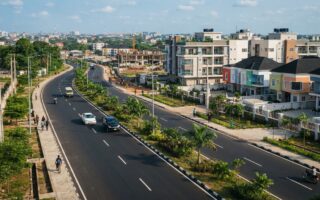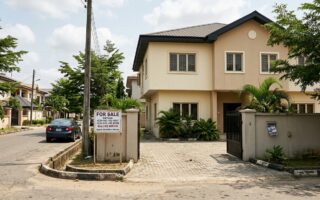
Buying land or a house is a major financial decision, and choosing the right neighbourhood is just as important as choosing the property itself. A house may look beautiful, the land may appear dry, and the access road may seem convenient during the dry season. However, heavy rainfall can reveal problems that are difficult to notice when the weather is sunny.
For anyone planning to buy land, purchase a house, rent an apartment, or invest in Nigerian real estate, the rainy season offers an opportunity to assess the actual condition of a neighbourhood before committing money.
From flooding and poor drainage to inaccessible roads, damp buildings, and unreliable infrastructure, rainfall can expose weaknesses that affect comfort, safety, maintenance costs, and long-term property value.
In this guide, Qadeva explains how to assess a neighbourhood during the rainy season, what warning signs to look for, and how to make a more informed property decision.
Why You Should Inspect a Neighbourhood During the Rainy Season
Many prospective buyers inspect properties when the weather is dry. Although this helps them evaluate the building, surroundings, and general accessibility, it may not reveal how the neighbourhood performs during heavy rainfall.
A rainy-season inspection allows you to observe how water moves through the area, whether roads remain accessible, and whether drainage systems can handle runoff.
Nigeria’s National Emergency Management Agency warns that even small streams, culverts, dry streambeds, and low-lying areas can become dangerous during flooding. This makes it important to assess the surrounding environment rather than judging a property by its appearance alone. (Source: NEMA’s flood safety guidance.)
A neighbourhood that performs well during heavy rainfall may offer greater convenience and fewer weather-related disruptions. On the other hand, repeated flooding and poor infrastructure may introduce additional costs that reduce the attractiveness of an otherwise promising property.
1. Check Whether the Neighbourhood Experiences Flooding
Flood risk should be one of the first things you investigate when assessing a neighbourhood during the rainy season.
Do not limit your inspection to the property you intend to buy. Walk or drive through nearby streets, examine adjoining compounds, and look for evidence of previous flooding.
Pay attention to:
- Standing water on roads and footpaths.
- Floodwater entering residential compounds.
- Watermarks on fences, walls, and gate pillars.
- Damaged roads and washed-away sections of soil.
- Neighbouring properties with raised entrances or makeshift flood barriers.
- Houses situated in low-lying areas where water naturally collects.
Ask residents whether flooding occurs every year, only during unusually heavy rainfall, or after nearby drainage channels become blocked.
It is also important to distinguish between temporary surface water and recurring floods that affect buildings, roads, and access routes. A street that becomes briefly wet after rain does not necessarily have the same risk as one that remains submerged for hours.
Practical tip: If possible, visit the neighbourhood during or shortly after substantial rainfall. However, never enter fast-moving floodwater or attempt to inspect a flooded road on foot.
2. Examine the Drainage System
A neighbourhood’s drainage system plays an important role in managing rainwater and reducing the risk of flooding.
During your inspection, check whether drains are available along the roads and whether they appear capable of carrying water away from residential areas.
Look for:
- Open drains filled with rubbish, sand, or vegetation.
- Broken or collapsed drainage channels.
- Gutters that terminate without a clear outlet.
- Water flowing from the road into residential compounds.
- Drainage channels that overflow during rainfall.
- Areas where water remains stagnant long after the rain has stopped.
A drainage channel can exist without functioning properly. Its presence alone does not guarantee that the neighbourhood is adequately protected against flooding.
Where possible, follow the drainage route to understand where the water is supposed to go. If you are considering a plot inside an estate, ask the developer or estate manager how stormwater is managed and who is responsible for clearing the drains.
For undeveloped land, consider obtaining a professional assessment of the terrain, drainage arrangements, and ground levels before purchasing.
3. Assess the Condition of the Access Roads
A property is only as convenient as the routes people use to reach it.
An estate may look attractive, but if its access road becomes muddy, deeply rutted, or impassable during the rainy season, residents may struggle to travel to work, school, markets, hospitals, and other essential destinations.
Inspect both the main road leading to the neighbourhood and the final stretch connecting the property to the main road.
Consider the following questions:
- Can ordinary cars reach the property after heavy rainfall?
- Are there potholes that become hidden beneath standing water?
- Does the road become slippery or muddy?
- Are motorcycles, taxis, and commercial vehicles still able to operate?
- Is there an alternative route if the main access road becomes flooded?
- Can emergency vehicles reach the neighbourhood when necessary?
Do not rely entirely on a seller’s assurance that the road will be improved soon. Ask whether the road project has been approved, funded, or formally scheduled, and verify any important claims independently.
If you are buying land in a developing area, remember that a road that is convenient today may deteriorate if construction activity, drainage problems, or increased traffic are not properly managed.
4. Observe How Water Moves Around the Property
Even when the wider neighbourhood does not experience widespread flooding, an individual plot or compound may still have drainage problems.
During your inspection, compare the property’s ground level with the adjoining road and surrounding plots.
Observe whether rainwater flows away from the property or collects around its boundaries. Check for depressions in the ground, soft soil, persistent puddles, and signs that water is flowing from neighbouring land into the compound.
If the property is already developed, examine the area around the building’s foundation. Water that repeatedly collects near a building may contribute to dampness, erosion, or other problems, depending on the soil, construction quality, and drainage conditions.
For vacant land, do not assume that a plot is suitable for building simply because it appears dry during your visit. A qualified surveyor or geotechnical professional can help assess the land’s levels, soil conditions, and suitability for the intended development.
Also ask whether the land has been filled with sand. If it has, find out when the work was completed, how it was carried out, and whether adequate compaction and drainage measures were provided.
Land filling alone does not guarantee that a plot is flood-resistant.
5. Speak to Long-Term Residents and Local Business Owners
People who live or work in a neighbourhood often understand its rainy-season conditions better than someone visiting for the first time.
Take time to speak with residents, shop owners, security personnel, transport operators, and other people familiar with the area.
Ask direct questions such as:
- Does this neighbourhood flood during the rainy season?
- How long does the water usually take to drain away?
- Which streets are most affected by heavy rainfall?
- Does the access road become difficult to use?
- Have residents experienced water entering their homes?
- Are drainage channels cleared regularly?
- Have conditions improved or worsened over the past few years?
Where possible, speak to several people independently rather than relying on one person’s account.
A property seller may sincerely believe the neighbourhood is safe from flooding, but their experience may be limited to a different street or a period when rainfall was less severe.
Residents’ accounts are valuable evidence, but they should be combined with your own observations and professional checks.
6. Check for Dampness and Water Damage in Nearby Buildings
The condition of existing buildings can provide useful clues about the neighbourhood’s environmental challenges.
During a rainy-season inspection, look for signs of moisture around the lower sections of walls, peeling paint, mould-like growth, damaged plaster, persistent musty smells, and water stains on ceilings.
These signs may indicate roof leaks, plumbing problems, poor ventilation, rising damp, or previous water intrusion. They do not automatically prove that a property has flooded, so further investigation may be necessary.
If you intend to buy a house, inspect the interior and exterior carefully.
Pay special attention to:
- Ground-floor rooms.
- Corners of walls and ceilings.
- Window and door frames.
- Roof junctions and ceiling surfaces.
- Storage rooms and other poorly ventilated spaces.
- Areas around bathrooms, kitchens, and plumbing installations.
Where serious dampness, cracks, or other potential structural defects are present, arrange an inspection by a qualified building professional.
For buyers considering land rather than an existing building, nearby houses may still provide useful information. However, differences in construction methods, foundation levels, and drainage arrangements mean that one building’s condition cannot establish the risk for every plot in the area.
7. Evaluate Electricity, Water Supply, and Other Essential Services
Rainy-season conditions can affect more than roads and buildings. They may also expose weaknesses in the infrastructure that residents depend on every day.
Ask people living in the neighbourhood whether heavy rainfall regularly disrupts electricity, water supply, telecommunications, waste collection, or access to essential services.
For example, a property may have reliable electricity during normal weather but experience repeated interruptions when storms damage infrastructure or affect local distribution systems.
Likewise, a neighbourhood may have a borehole or water system, but flooding around the installation or poor sanitation arrangements could create additional concerns.
During your assessment, find out:
- Whether power interruptions increase during storms.
- Whether the water supply remains reliable.
- Whether waste collection continues during heavy rainfall.
- Whether public transport is readily available.
- Whether healthcare facilities and other essential destinations remain accessible.
These factors can influence your daily living experience and the attractiveness of the property to future tenants.
Do not assume that every service disruption is caused by the neighbourhood itself. Ask about the actual cause, frequency, and duration of reported problems before drawing conclusions.
8. Check the Environment for Mosquitoes, Odours, and Sanitation Problems
Poor drainage and stagnant water can create unpleasant living conditions.
During and after rainfall, observe whether water remains trapped in gutters, empty plots, discarded containers, or poorly maintained open spaces.
Look out for overflowing refuse points, foul-smelling drains, sewage problems, and standing water near residential buildings.
Persistent stagnant water can provide mosquito breeding opportunities, while inadequate sanitation may create additional environmental and public-health concerns.
Consider whether the neighbourhood has an effective waste collection arrangement and whether drains and public spaces are maintained.
A clean street during a dry-season visit may not tell you much about its condition after several days of rain. Whenever possible, inspect the surroundings in the conditions residents actually experience.
9. Investigate the Neighbourhood’s Proximity to Rivers, Streams, Canals, and Wetlands
A neighbourhood’s natural environment can influence its exposure to flooding.
Before purchasing property, find out whether the land is close to a river, stream, lagoon, canal, wetland, or low-lying floodplain.
However, proximity to water does not automatically mean a property is unsuitable. The level of risk depends on factors such as elevation, local hydrology, drainage infrastructure, flood history, and the property’s precise location.
Likewise, a neighbourhood far from a major waterway can still experience flooding because of intense rainfall, blocked drains, poor road design, or water flowing from surrounding higher ground.
If you are buying land, verify the plot’s precise location and investigate whether it falls within a drainage corridor, floodplain, government acquisition, or other restricted area.
In Lagos, for example, buyers should consider professional land and planning due diligence, including relevant survey and land-status checks. A solicitor and qualified surveyor can help identify issues that may not be obvious during a physical inspection.
For wider flood-risk information, consult relevant government agencies, including the National Emergency Management Agency and the Nigeria Hydrological Services Agency.
10. Consider the Effect of Rainfall on Property Value and Rental Demand
A neighbourhood’s rainy-season performance can influence how attractive a property is to prospective buyers and tenants.
A house with good access roads, effective drainage, and reliable infrastructure may be easier to market than a similar property in a location where residents regularly struggle with flooding.
On the other hand, recurring waterlogging, damaged roads, and difficult access may discourage prospective tenants or increase the cost of maintaining a property.
Before investing, consider the following:
- Would tenants find it convenient to access the property throughout the year?
- Could recurring flooding damage the building or tenants’ belongings?
- Would future buyers raise concerns about drainage or accessibility?
- Are there likely to be additional expenses for repairs, drainage improvements, or land preparation?
- Does the property’s asking price adequately reflect its condition and risks?
Do not assume that a property will appreciate simply because it is in a popular or rapidly developing neighbourhood.
Property value is influenced by many factors, including location, infrastructure, demand, title security, building quality, and broader market conditions. Rainy-season observations are one part of a wider investment assessment.
11. Visit at Different Times and Under Different Weather Conditions
One inspection may not provide enough information to assess a neighbourhood properly.
If possible, visit the location on a normal day and return during or shortly after heavy rainfall. This helps you compare ordinary conditions with the challenges that emerge when the drainage system and roads are under pressure.
During the rainy-season visit, record the following:
- The amount of standing water on the road.
- Whether water enters the property or neighbouring compounds.
- The time it takes for visible water to drain away.
- The condition of footpaths and access roads.
- Any interruptions to transport or essential services.
- The behaviour of water around the plot and surrounding buildings.
Photographs and short videos can help you compare conditions across visits. Make sure you record the inspection date and weather conditions so that you do not mistake a brief shower for evidence of how the area performs during severe rainfall.
If you cannot visit personally, appoint an independent local professional to inspect the neighbourhood and provide dated photographs, videos, and a written report. This is especially important for buyers living in another city or outside Nigeria.
A virtual tour organised by the seller can be useful, but it should not replace independent verification.
12. Know the Warning Signs That Require Further Investigation
Some conditions should make you pause before paying for land or signing a property agreement.
These include:
- Repeated flooding that affects homes and access roads.
- Watermarks indicating that floodwater has reached building interiors.
- Drainage channels that overflow or have no clear discharge route.
- Roads that become impassable during heavy rainfall.
- Persistent dampness accompanied by unexplained cracks or deterioration.
- A seller who refuses to allow a reasonable inspection.
- Claims about future drainage or road projects that cannot be verified.
- Uncertainty about whether the plot is within a floodplain or drainage reservation.
One warning sign does not necessarily mean you must abandon every property in the area. Instead, determine the severity of the issue, the likely cost of addressing it, and whether the proposed solution is technically and legally feasible.
However, if the property presents a serious unresolved risk, do not allow pressure from a seller or fear of losing the deal to rush your decision.
It is often better to delay a purchase than to commit your savings to land or a building whose major problems remain unexplained.
13. Use a Neighbourhood Inspection Checklist Before Making a Decision
Before making payment, use this checklist to organise your findings.
Flooding and drainage
- Checked the neighbourhood during or after rainfall where safely possible.
- Looked for standing water and previous flood marks.
- Inspected drainage channels and their apparent discharge routes.
- Asked residents about previous flooding.
Roads and accessibility
- Inspected the main access road and the final route to the property.
- Checked whether ordinary vehicles can reach the location after rain.
- Considered alternative routes and access to essential services.
Property and land conditions
- Compared the property’s level with the road and surrounding plots.
- Checked for water collecting around the building or land.
- Investigated dampness, leaks, and visible damage.
- Arranged professional assessment where necessary.
Infrastructure and environment
- Asked about electricity and water reliability.
- Checked waste management and sanitation.
- Investigated nearby waterways and potential flood hazards.
- Considered the cost of maintenance and any required improvements.
Legal and investment checks
- Verified ownership and relevant land documents.
- Investigated applicable planning restrictions and land status.
- Considered the property’s suitability for the intended use.
- Compared the asking price with the risks and likely additional costs.
Completing this checklist will not guarantee that a property will never experience flooding. It will, however, help you identify important questions before making a financial commitment.
Final Thoughts: Let the Rain Help You Make a Better Property Decision
Assessing a neighbourhood during the rainy season is one practical way to understand what you may be buying into.
Beyond the appearance of the house or the size of the plot, pay attention to drainage, flooding history, road conditions, access to essential services, sanitation, and the experiences of people already living in the area.
Remember that a popular location is not automatically a safe investment, and an affordable plot is not necessarily a bargain if it requires expensive drainage work or becomes difficult to access during the rainy season.
Take your time, inspect carefully, ask questions, and verify important claims independently. Where necessary, involve qualified surveyors, engineers, and property lawyers before proceeding.
At Qadeva, we believe that informed property decisions begin with looking beyond the advertised price and examining the factors that can affect ownership over the long term.
Before you buy land or a house in Nigeria, do not just ask how the neighbourhood looks in the dry season. Find out how it performs when the rain comes.