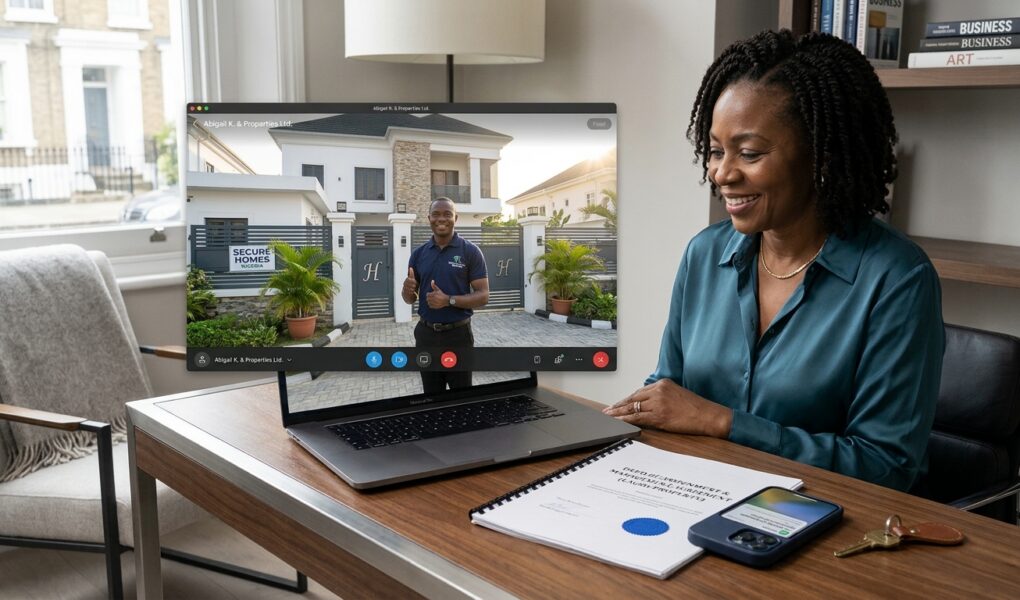
Moving abroad can open the door to better career opportunities, improved living conditions, and a new lifestyle. However, for Nigerians who own land, houses, or rental properties back home, relocating comes with an important responsibility: protecting their real estate investments from a distance.
A property that was easy to manage while living in Nigeria can become difficult to monitor when you are thousands of kilometres away. Tenants may need attention, buildings may require repairs, land may face encroachment, and important documents may need updating. Without a reliable management system, a valuable investment can gradually become a source of financial loss and unnecessary stress.
Whether you are relocating temporarily or planning to settle abroad permanently, preparing your property before leaving Nigeria can make a significant difference.
Here are the essential steps every Nigerian property owner should take before and after moving abroad.
1. Put Your Property Documents in Order
Before leaving Nigeria, organise all documents relating to your land, house, or other real estate investments.
Depending on the property and its ownership history, relevant documents may include a Certificate of Occupancy (C of O), registered deed of assignment, survey plan, building approval, purchase receipts, allocation documents, and other evidence of ownership.
Keep the original documents in a secure location and maintain clear digital copies that you can access when necessary. Digital copies are useful for reference, but they do not replace original documents where these are legally required.
Make a record of the property’s location, plot number, survey details, seller’s information, and any outstanding documentation.
If the property was purchased through a real estate developer, confirm that you have received the documents you are entitled to under your purchase agreement.
Why this matters: When you live abroad, resolving missing-document issues can become more complicated and expensive. Organising your records before departure makes it easier to respond to legal, administrative, or ownership-related problems.
2. Appoint a Reliable Property Manager or Representative
One of the most important decisions you will make is choosing someone to oversee your property in Nigeria.
This could be a professional property manager, a reputable real estate management company, or a trusted individual who understands the responsibilities involved.
However, do not assume that a relative or close friend will automatically make the best property manager. Managing real estate requires accountability, recordkeeping, timely communication, and the ability to handle problems objectively.
Before appointing anyone, establish clear responsibilities, including:
- Inspecting the property regularly.
- Collecting rent and issuing appropriate receipts.
- Reporting maintenance issues.
- Monitoring tenants and tenancy agreements.
- Keeping records of income and expenses.
- Obtaining approval for significant repairs.
- Reporting suspected trespassing or encroachment.
- Providing periodic updates and photographs.
Put the arrangement in writing, including the manager’s authority, fees, reporting schedule, and limitations.
If the representative will need to sign documents or carry out formal transactions on your behalf, obtain appropriate legal advice about the necessary authorisation.
A reliable property manager should make your investment easier to manage, not leave you wondering what is happening to your property.
3. Do Not Hand Over Unlimited Control of Your Property
Trust is important, but it should not replace proper safeguards.
Some property owners living abroad make the mistake of giving one person unrestricted control over everything connected to their property. That person may collect rent, approve expenses, negotiate sales, handle documents, and make decisions without meaningful oversight.
Even when the relationship begins positively, this arrangement can create serious problems.
Instead, establish clear limits on what your representative can do without your permission.
For example, your property manager may be authorised to arrange minor repairs within an agreed budget but required to obtain written approval before undertaking major renovations.
Similarly, collecting rent should not automatically give someone the authority to sell, transfer, mortgage, or otherwise dispose of your property.
Keep important ownership documents secure, maintain independent records, and review major financial decisions yourself.
The principle is simple: delegate the work, but retain appropriate control over your investment.
4. Create a Clear System for Rent Collection
If you own rental property in Nigeria, rent collection requires particular attention after relocation.
You need to know when rent is due, how much each tenant owes, when payments arrive, and whether any outstanding balances exist.
Where appropriate, arrange for tenants to pay into a bank account you control or use a documented collection arrangement with your property manager.
Avoid relying entirely on verbal assurances such as “the tenants have not paid” or “the money will be sent next week.”
Maintain a simple record showing:
- Tenant names and contact details.
- The property or unit occupied.
- Rent amounts and payment dates.
- Tenancy commencement and expiry dates.
- Outstanding rent and agreed payment arrangements.
- Deposits and other payments, where applicable.
- Maintenance expenses and other authorised deductions.
Request receipts or other reliable evidence for payments and expenses.
You should also agree on how frequently collected rent will be transferred to you and how exchange rates, transfer fees, and other charges will be handled when money is sent abroad.
If you own several rental properties, consider using property management software or a well-maintained digital spreadsheet to track each unit separately.
A transparent rent collection system helps you identify missing payments early and reduces the likelihood of disputes.
5. Inspect Your Property Regularly, Even From Abroad
A property can deteriorate without the owner noticing, especially when nobody is checking it regularly.
A leaking roof, damaged plumbing, faulty electrical installation, overgrown surroundings, or a broken perimeter fence may appear minor initially but become expensive if left unattended.
If you own undeveloped land, regular monitoring is equally important. Unauthorised occupation, boundary disputes, illegal sales, and encroachment can become harder to resolve when discovered late.
Arrange periodic physical inspections by your property manager or another independent person you trust.
Ask for dated photographs, short videos, and written inspection reports. For larger properties or land developments, request updates covering the boundary, access roads, drainage, fencing, buildings, and any visible changes to the surrounding area.
Where the value or risk justifies it, consider engaging a qualified surveyor or other relevant professional to inspect the property.
Do not rely entirely on photographs, however. Images may not reveal every defect, and remote reports should be supported by independent checks when something seems suspicious.
Regular inspections help you identify problems before they become major financial burdens.
6. Protect Your Land Against Encroachment and Illegal Sales
Undeveloped land can be particularly vulnerable when its owner lives abroad.
In some situations, individuals may attempt to extend their activities onto neighbouring plots, occupy unused land, erect structures without permission, or falsely claim ownership.
The risk may be greater when land is located in a developing area where construction activity is increasing.
Before relocating, confirm the property’s boundaries and retain the relevant survey and ownership documents. Ensure that you have accurate information about its location and how it can be accessed.
If fencing is appropriate, consider whether it is lawful, practical, and consistent with the property’s boundaries. Fencing alone does not establish legal ownership or guarantee protection against disputes.
Arrange periodic inspections and maintain communication with reliable local professionals who can alert you to changes around the property.
If you discover encroachment or a competing ownership claim, seek advice from a qualified Nigerian property lawyer promptly. Avoid responding with threats, unauthorised demolition, or other actions that could worsen the dispute.
For property owners abroad, early detection and proper documentation can make a substantial difference.
7. Decide What to Do With an Unoccupied House
If you are moving abroad and leaving a house empty, consider whether keeping it vacant is the best decision.
An unoccupied property may still require security, cleaning, ventilation, repairs, utility payments, and periodic inspections. Depending on the location, it may also attract unwanted occupation or deterioration.
You generally have three main options.
Option one: Keep the property vacant.
This may be appropriate if you intend to return soon, expect family members to use the house, or need the property available for another purpose. However, budget for ongoing maintenance and security.
Option two: Rent it out.
Renting can generate income and help cover maintenance costs. Before doing so, assess local rental demand, the condition of the property, the cost of management, and the suitability of prospective tenants.
Use a proper tenancy agreement and comply with applicable Nigerian tenancy laws.
Option three: Sell the property.
Selling may make sense if you no longer need the house, cannot manage it effectively, or prefer to invest the proceeds elsewhere.
However, avoid rushing into a sale simply because you are relocating. Consider the property’s market value, future plans, transaction costs, and tax or legal implications before making a decision.
The best option depends on your financial goals, the property’s location, and how long you expect to remain abroad.
8. Put Your Tenancy Agreements and Records in Order
If you have existing tenants, review their tenancy agreements before leaving Nigeria.
Confirm the agreed rent, payment dates, duration of the tenancy, responsibilities for repairs, renewal arrangements, and any applicable notice requirements.
Ensure that you have current contact details for each tenant and a clear record of outstanding obligations.
Where necessary, update the property management arrangements so that tenants know whom to contact when they need assistance.
However, appointing a manager does not automatically give that person the right to evict tenants, increase rent, retain deposits, or change tenancy terms without following the applicable agreement and law.
For property owners with several tenants, keep individual records for each unit rather than combining all payments and obligations into one informal account.
Good documentation reduces misunderstandings and makes it easier to resolve disputes from abroad.
9. Review Your Property’s Security Arrangements
Security should be part of your relocation plan, especially if you own a detached house, a building under construction, or undeveloped land.
Inspect doors, windows, gates, perimeter fencing, lighting, and other relevant security features before departure.
If the house will remain vacant, arrange for a trusted person or professional service to monitor it. Make sure the person responsible understands what to do if there is a break-in, fire, flood, or other emergency.
For properties under construction, confirm who has access to the site and how building materials, equipment, and other valuable items will be secured.
Be cautious about sharing detailed information about your absence, property documents, security arrangements, or financial affairs with people who do not need to know.
Where cameras or other monitoring devices are used, ensure that their installation and operation comply with applicable privacy and legal requirements.
Remember that security is not just about preventing theft. It also involves ensuring that problems are reported quickly and handled responsibly.
10. Maintain a Separate Budget for Property Expenses
Owning property in Nigeria while living abroad can create unexpected expenses.
Even if a house generates rental income, you may still need to pay for repairs, management fees, insurance where available and appropriate, approved levies, utilities, legal services, and other property-related costs.
Before relocating, estimate the likely annual cost of maintaining each property.
Create a reserve for unexpected repairs, such as roof damage, plumbing failures, drainage problems, or perimeter wall repairs. The appropriate amount will depend on the property’s age, condition, size, and use.
Keep property income and expenses properly documented. Where practical, maintain a separate account or dedicated record for each investment.
If the property is rented out, do not assume that all rent collected represents profit. Account for vacancy periods, repairs, management charges, and other legitimate expenses before deciding how much income is available for personal use.
A property maintenance reserve can help you respond to emergencies without disrupting your finances abroad.
11. Understand the Legal and Tax Implications of Owning Property From Abroad
Relocating does not automatically remove your legal obligations as a property owner in Nigeria.
Depending on your circumstances and the nature of the property, you may need to consider applicable land-related charges, rental income obligations, tenancy requirements, building regulations, and other legal responsibilities.
Your new country of residence may also have rules affecting overseas rental income, property ownership disclosures, or tax reporting.
The precise requirements depend on the relevant Nigerian laws, your country of residence, the type of property, and your individual circumstances.
Consult a qualified Nigerian property lawyer or tax professional when necessary. If you become tax-resident in another country, seek advice from a professional familiar with that country’s treatment of foreign property income.
Do not assume that living abroad means you no longer need to keep records or comply with relevant regulations.
Maintaining accurate documentation makes it easier to demonstrate ownership, explain rental income, and address administrative or legal questions.
12. Give Your Representative Clear Emergency Instructions
What happens if your roof starts leaking during heavy rainfall? What if a tenant reports a burst pipe, a security problem, or a damaged electrical installation?
Your property representative should not have to wait several days for instructions before responding to an urgent problem.
Before relocating, agree on an emergency procedure.
Specify which repairs can be authorised immediately, the maximum amount that can be spent without your approval, who should be contacted for specialist assistance, and how evidence of the work should be provided.
For example, you might authorise your property manager to arrange urgent minor repairs up to an agreed limit while requiring your written approval for larger projects, except where immediate action is necessary to protect people or prevent substantial damage.
Provide a reliable way to contact you and identify a backup contact in case you are temporarily unavailable.
Ask your representative to document emergency expenses with receipts, photographs, and a short explanation of the work performed.
Clear instructions help ensure that emergencies are handled quickly without giving away unnecessary control over your property.
13. Be Careful When Giving Someone Power of Attorney
Some Nigerians living abroad need a representative to sign certain documents or handle specific property-related transactions on their behalf.
In these circumstances, a power of attorney may be appropriate.
However, it should not be treated as a routine document to sign without understanding its implications.
The scope of authority matters. An authorisation designed to help someone manage routine administrative tasks is different from one that permits broader dealings with your property.
Before signing, consult a qualified Nigerian lawyer about the appropriate form, wording, execution requirements, and any authentication or registration steps that may apply to your circumstances.
Make sure the document reflects your actual intentions and clearly defines the powers being granted.
Consider whether the authorisation should be limited to a particular property, transaction, or period. Ask your lawyer how it may be amended or revoked if your circumstances change.
Never assume that a power of attorney automatically transfers ownership. Its legal effect depends on the document, the transaction, and the applicable law.
Careful preparation can help prevent misunderstandings and reduce the risk of unauthorised transactions.
14. Keep Your Family Informed Without Creating Confusion
Family members may be involved in looking after your property, particularly if they live near it.
Their assistance can be valuable, but problems can arise when nobody understands who has responsibility for which tasks.
One relative may collect rent while another pays for repairs. A third may assume that they have permission to use an empty building. Over time, these informal arrangements can lead to disagreements.
To avoid confusion, establish clear boundaries from the beginning.
Explain who is responsible for inspections, who can communicate with tenants, how expenses are approved, and whether anyone has permission to occupy the property.
Keep written records of important arrangements, particularly where money, tenancy, inheritance, or long-term use is involved.
If the property is jointly owned, make sure that relevant co-owners understand the management arrangements and that decisions are made in accordance with their legal rights and any applicable agreements.
Being transparent with family members can protect both your investment and your relationships.
15. Review Your Property Management Arrangements Regularly
Appointing a property manager before relocating is only the beginning.
Your needs may change over time. You may acquire additional properties, decide to rent out a previously vacant house, or discover that your current manager is not meeting expectations.
Schedule periodic reviews to assess the property’s condition, rental income, expenses, tenant issues, and outstanding maintenance work.
Compare financial records against bank statements and supporting receipts. Request explanations for unusual expenses or unexplained delays in rent transfers.
If possible, arrange occasional independent inspections rather than relying exclusively on the person managing the property.
Watch for warning signs such as repeated failure to provide records, unexplained financial discrepancies, persistent communication problems, or resistance to reasonable inspections.
If you are dissatisfied with the service, review the management agreement and seek appropriate advice before changing arrangements or transferring responsibilities.
Regular reviews help you identify problems early and ensure that your investment continues to serve its intended purpose.
Common Mistakes Property Owners Make After Moving Abroad
Even experienced property owners can make avoidable mistakes when they relocate.
Some of the most common include:
- Leaving a house vacant without arranging regular inspections.
- Appointing a relative without clearly defining responsibilities.
- Allowing rent to be collected without proper records.
- Failing to retain copies of ownership documents.
- Giving a representative broader authority than necessary.
- Ignoring maintenance issues because the property is far away.
- Assuming undeveloped land will remain untouched.
- Failing to budget for repairs and other recurring expenses.
- Relying entirely on photographs instead of arranging independent checks.
- Ignoring legal and tax obligations in Nigeria or the new country of residence.
Most of these problems can be reduced through planning, documentation, regular communication, and independent oversight.
Final Thoughts
Moving abroad does not mean abandoning your responsibilities as a property owner in Nigeria. With the right arrangements, you can continue to protect your investment, manage rental income, and reduce the risk of avoidable disputes while building your life in another country.
Start by organising your property documents, appointing a suitable representative, establishing a transparent rent collection system, and scheduling regular inspections. Then put clear financial, legal, security, and emergency procedures in place.
Most importantly, do not allow distance to become an excuse for losing visibility over your investment.
Your property may be in Nigeria while you live in another country, but responsible management can help you remain informed and in control.
Before you relocate, ask yourself one important question: If a serious problem occurred at your property tomorrow, would you know about it quickly, and would the right person know what to do?
If you cannot confidently answer yes, it may be time to improve your property management arrangements.