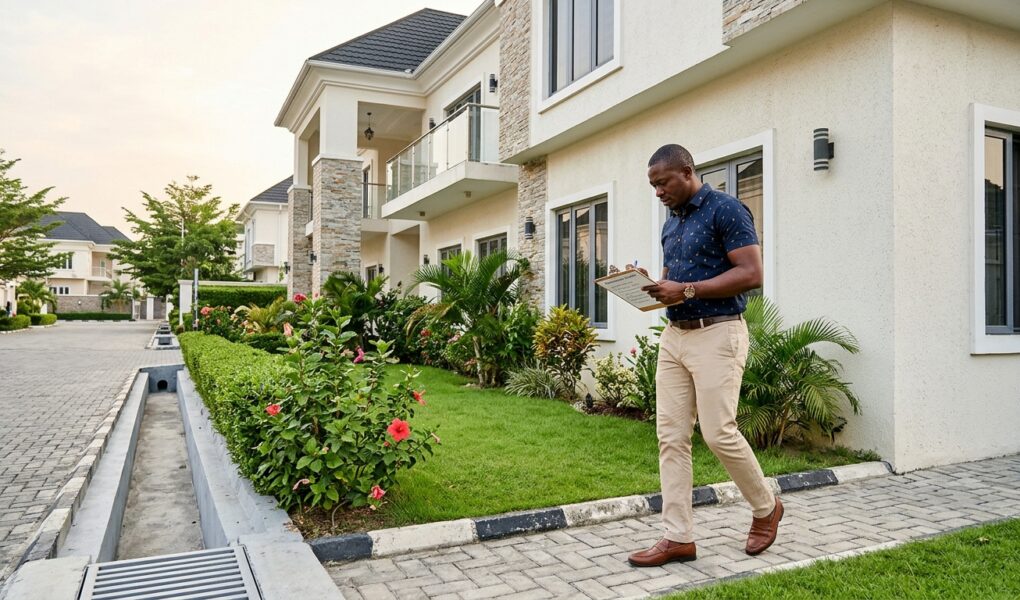
Owning a property is a significant investment, but the expenses do not end after purchasing land or completing construction. Every building requires regular attention to remain safe, functional and attractive. From leaking roofs and faulty plumbing to electrical problems, damaged paint and deteriorating drainage systems, small maintenance issues can gradually become expensive repairs when ignored.
For many Nigerian homeowners and landlords, property maintenance is often handled reactively. Something breaks, a technician is called, and money is spent fixing the problem. Unfortunately, this approach can cost considerably more than preventing the problem in the first place.
Creating a property maintenance schedule is one practical way to manage these responsibilities without spending unnecessarily. Rather than waiting for something to go wrong, you establish a routine for inspecting, servicing and maintaining different parts of your building.
Whether you own a family home in Lagos, manage rental apartments in Abuja or have an investment property in Ibadan, a well-organised maintenance schedule can help you save money, avoid unexpected expenses and preserve your property’s long-term value.
1. Understand What Your Property Needs
Before creating a maintenance schedule, you need to understand the condition and major components of your property.
Not every building has the same maintenance requirements. A recently completed bungalow may require less attention than a 20-year-old duplex. Similarly, a property located in an area with heavy rainfall may need more frequent roof, gutter and drainage inspections.
Start by identifying the major areas that require regular maintenance.
These include:
- Roofing, ceilings and waterproofing.
- Plumbing systems, water tanks and drainage.
- Electrical installations and distribution boards.
- Doors, windows, locks and security fittings.
- Walls, floors, painting and external finishes.
- Septic tanks and sewage systems.
- Water pumps and borehole equipment.
- Fences, gates and external surroundings.
Inspect each area and record existing problems, signs of deterioration and items that may require professional servicing.
This initial assessment gives you a clear picture of what needs attention and helps you avoid creating an unrealistic maintenance plan.
2. Divide Maintenance Tasks by Frequency
One of the easiest ways to organise property maintenance is to divide tasks according to how frequently they should be performed.
Some components require attention every month, while others may only need inspection once or twice a year.
A practical maintenance schedule can be divided into four categories.
Monthly Maintenance
Monthly tasks help identify small problems before they become serious.
Examples include:
- Checking taps, toilets and visible plumbing connections for leaks.
- Inspecting ceilings for signs of dampness or water stains.
- Testing security lights and checking external lighting.
- Checking water pumps for unusual noises or performance problems.
- Clearing visible debris from accessible drainage points.
- Inspecting doors, locks and windows.
- Looking for signs of termites, rodents and other pests.
These activities do not necessarily require expensive professional services. Many can be completed during a routine property inspection.
Quarterly Maintenance
Quarterly inspections allow you to examine areas that may not show obvious problems during everyday use.
Consider:
- Inspecting accessible roof areas and visible roofing components.
- Checking water storage tanks and their covers.
- Examining electrical fittings for visible damage or overheating.
- Inspecting walls for cracks and peeling paint.
- Checking external drainage channels.
- Inspecting fences, gates and boundary walls.
- Reviewing plumbing fixtures and water pressure.
Where electrical, roofing or other potentially dangerous work is involved, use qualified professionals rather than attempting repairs yourself.
Biannual Maintenance
Some maintenance activities are best performed every six months, depending on the property’s condition and usage.
Examples include:
- Professional inspection of electrical installations.
- Servicing water pumps and related equipment.
- Inspecting roof waterproofing and vulnerable roof junctions.
- Checking external paintwork and protective coatings.
- Reviewing the condition of doors, windows and fittings.
- Inspecting septic and sewage systems for signs of problems.
For properties in areas affected by seasonal flooding, schedule drainage inspections before the rainy season begins.
Annual Maintenance
Annual maintenance provides an opportunity to assess the overall condition of your property.
Your yearly checklist may include:
- A comprehensive building inspection.
- Professional roof and structural assessments where necessary.
- Reviewing plumbing and electrical systems.
- Inspecting the property’s foundation surroundings.
- Checking the condition of external walls and paintwork.
- Reviewing security installations.
- Assessing major equipment that may require replacement.
- Preparing a maintenance budget for the coming year.
An annual assessment also helps you identify repairs that should be prioritised before they become urgent.
3. Plan Maintenance Around Nigeria’s Rainy and Dry Seasons
Property maintenance in Nigeria should take local weather conditions into account.
The rainy season can expose weaknesses in roofing, drainage, waterproofing and external walls. Meanwhile, prolonged dry conditions can create different challenges, including dust accumulation, drying of certain building materials and increased exposure of external surfaces to sunlight.
Instead of following the same maintenance routine throughout the year, organise certain activities around seasonal changes.
Before the rainy season:
- Clear gutters and drainage channels.
- Inspect roofs for damaged or displaced sheets.
- Check ceilings for previous water stains.
- Examine external walls for cracks that could allow water penetration.
- Inspect the property’s surroundings for areas where water collects.
- Check that rainwater can flow away from the building.
During the rainy season:
- Monitor drainage performance.
- Check for water entering through windows, roofs and external walls.
- Look for signs of rising dampness or unusual moisture.
- Address standing water around the property.
- Investigate new cracks or changes in existing ones.
During the dry season:
- Inspect external paintwork and waterproof coatings.
- Review damaged roofing components.
- Carry out suitable external repairs.
- Inspect exposed plumbing and water storage equipment.
- Plan major maintenance activities that are easier to complete without frequent rainfall.
This seasonal approach helps homeowners prepare for predictable maintenance challenges instead of reacting to them after damage has occurred.
4. Create a Property Maintenance Budget
A maintenance schedule without a budget may be difficult to follow consistently.
Many homeowners make the mistake of spending money only when something breaks. As a result, an unexpected repair can disrupt other financial commitments.
A better approach is to establish a separate property maintenance fund.
Start by listing expected maintenance activities and obtaining realistic estimates from qualified technicians and contractors.
Your budget should distinguish between:
Routine maintenance: Regular cleaning, minor plumbing adjustments, servicing and other predictable expenses.
Preventive maintenance: Activities intended to reduce the likelihood of future damage, such as roof inspections, drainage cleaning and waterproofing checks.
Unexpected repairs: Money reserved for problems that cannot be predicted, including sudden plumbing failures or storm-related damage.
There is no universal amount that every property owner should save monthly. The appropriate figure depends on the building’s age, size, construction quality, location, equipment and current condition.
For example, a property with an ageing roof, multiple water pumps and several rental units will probably require a larger maintenance reserve than a recently completed small bungalow.
The important thing is to make maintenance savings a regular financial commitment.
5. Prioritise Repairs According to Their Importance
Not every maintenance issue deserves immediate spending.
A damaged door handle may be inconvenient, but a leaking roof or exposed electrical connection could create more serious problems.
To manage your budget effectively, classify maintenance issues according to their urgency.
High priority: Problems that threaten safety or could cause rapid property damage. Examples include exposed electrical wiring, significant roof leaks, serious structural movement and major plumbing failures.
Medium priority: Problems that may worsen if ignored but do not currently present an immediate emergency. Examples include deteriorating external paint, minor plumbing leaks and damaged window seals.
Low priority: Cosmetic improvements and minor issues that do not significantly affect safety or building functionality.
This classification helps you decide where available maintenance funds should go first.
However, never postpone professional assessment of suspected structural or electrical hazards simply because the maintenance budget is limited.
6. Keep Records of Every Maintenance Activity
One overlooked aspect of property management is proper maintenance documentation.
Without records, it becomes difficult to remember when a particular component was serviced, which contractor handled the work or how much was spent.
Create a simple maintenance record for your property.
Record the following information:
- Date of inspection or repair.
- Area of the building inspected.
- Problem identified.
- Work carried out.
- Name and contact details of the service provider.
- Amount spent.
- Materials or replacement parts purchased.
- Recommended date for the next inspection.
You can use a notebook, spreadsheet or property management application.
Keeping photographs of damaged areas before and after repairs is also useful. These records make it easier to monitor recurring problems and determine whether previous repairs were effective.
For landlords managing multiple properties, maintenance documentation is particularly important because it provides accountability and helps prevent unnecessary contractor expenses.
7. Work With Reliable Maintenance Professionals
Although some maintenance activities can be handled personally, certain tasks require professional knowledge and equipment.
For example, electrical installations, major plumbing repairs, roof repairs and structural assessments should be handled by appropriately qualified professionals.
Do not automatically choose the cheapest contractor.
A poorly executed repair may create additional problems, forcing you to pay for the same work again.
Before hiring a maintenance professional:
- Ask for recommendations and references.
- Request a clear description of the proposed work.
- Compare quotations from different service providers.
- Confirm the materials to be used.
- Agree on the cost and expected completion date.
- Request receipts and documentation.
- Inspect completed work before making final payment where appropriate.
For recurring maintenance needs, establishing a relationship with reliable technicians can make property management easier.
However, periodically compare prices to ensure that you are receiving reasonable value for your money.
8. Pay Attention to Small Problems Before They Become Expensive
One of the biggest advantages of having a maintenance schedule is the ability to identify problems early.
Consider a small leak beneath a kitchen sink.
If discovered immediately, the solution may involve replacing a worn seal or tightening a connection. If ignored for months, the leaking water could damage cabinets, floors and nearby walls.
The same principle applies to other parts of a building.
A small roof leak may eventually damage ceilings and electrical fittings. Blocked drainage may contribute to water entering the compound or affecting the building’s surroundings. Damaged external paint may expose vulnerable surfaces to moisture.
The financial lesson is straightforward: the longer certain maintenance problems remain unattended, the more expensive their consequences can become.
Regular inspections help you identify these problems while repairs are still manageable.
9. Make Tenants Part of Your Maintenance Strategy
If you own rental properties, tenants can help you maintain the building.
Many maintenance problems become expensive because landlords are not informed when damage first occurs.
Establish a simple reporting system that allows tenants to communicate problems promptly.
Encourage them to report:
- Leaking taps and pipes.
- Faulty electrical fittings.
- Water entering through ceilings or windows.
- Blocked drainage.
- Damaged locks and security fittings.
- Unusual noises from pumps or other equipment.
You should also clearly explain which maintenance responsibilities belong to the landlord and which relate to tenant obligations under the tenancy agreement and applicable law.
Conduct periodic property inspections with appropriate notice and respect for tenants’ rights.
A cooperative relationship between landlords and tenants can help prevent minor problems from developing into costly repairs.
10. Use a Simple Maintenance Calendar
The best maintenance schedule is one you can realistically follow.
You do not need expensive software to get started. A spreadsheet, wall calendar or digital reminder system can be sufficient.
Here is an example of a basic annual maintenance calendar.
| Period | Recommended activity |
|---|---|
| January | General property inspection and annual maintenance budgeting |
| February | Inspect external walls, plumbing and water systems |
| March | Check roofs, gutters and drainage before heavier rainfall |
| April | Inspect ceilings and monitor early rainfall-related problems |
| May | Clear drainage channels and examine water penetration |
| June | Inspect water pumps, plumbing and external surfaces |
| July | Monitor drainage and investigate dampness |
| August | Inspect roof condition and repair identified problems |
| September | Review external walls, drainage and waterproofing |
| October | Inspect the property after heavier rainfall |
| November | Assess painting, external finishes and general repairs |
| December | Complete an annual property assessment and plan the next year’s budget |
This is a general planning example rather than a fixed Nigerian weather calendar. Rainfall patterns vary across the country, so adjust the activities to your property’s location and local conditions.
11. Review Your Schedule Every Year
A maintenance schedule should not remain unchanged indefinitely.
As a property gets older, certain components may require more frequent inspections or replacement.
For example, a building that previously needed only occasional roof inspections may develop recurring leakage problems as roofing materials and protective components deteriorate.
Similarly, an increase in the number of occupants may place additional demands on plumbing, water pumps, drainage and electrical installations.
At the end of each year, review your maintenance records and ask:
- Which problems occurred repeatedly?
- Which repairs cost more than expected?
- Which preventive activities saved money?
- Are there components approaching the end of their useful life?
- Does the maintenance budget need adjustment?
- Are the current contractors delivering satisfactory work?
Use these observations to improve your schedule for the following year.
Conclusion
Creating a property maintenance schedule is not simply about keeping a building attractive. It is a practical financial strategy that helps homeowners and landlords protect their investments, reduce unexpected repair expenses and avoid unnecessary deterioration.
By dividing maintenance activities into monthly, quarterly, biannual and annual tasks, property owners can manage responsibilities more effectively.
For Nigerian homeowners, seasonal planning is particularly important because rainfall, drainage conditions and environmental factors can significantly influence building maintenance requirements.
Start with a basic inspection, prepare a realistic maintenance budget, keep records and address problems according to their urgency.
Remember that maintaining a property consistently is generally more manageable than waiting until several neglected problems demand expensive repairs at the same time.
A well-maintained property protects more than your building. It protects the money, time and effort you invested in owning it.
Frequently Asked Questions
1. How often should a property be inspected?
A property should receive routine visual checks at least monthly, with more detailed inspections performed quarterly or seasonally. Annual professional assessments may also be necessary depending on the building’s age and condition.
2. What is the most important part of property maintenance?
Roofing, drainage, plumbing and electrical systems deserve particular attention because problems in these areas can affect building safety and cause significant secondary damage.
3. How can landlords reduce property maintenance costs?
Landlords can reduce expenses by scheduling preventive inspections, responding quickly to tenant complaints, keeping maintenance records, comparing contractor quotations and budgeting for predictable repairs.
4. Should property maintenance be handled by the landlord or tenant?
Responsibilities depend on the tenancy agreement, the nature of the repair and applicable laws. Landlords should establish clear maintenance responsibilities before tenants occupy the property.
5. Is preventive maintenance cheaper than emergency repairs?
Preventive maintenance can reduce the likelihood and severity of expensive failures. Although it involves regular spending, identifying problems early often prevents additional damage and unexpected repair costs.