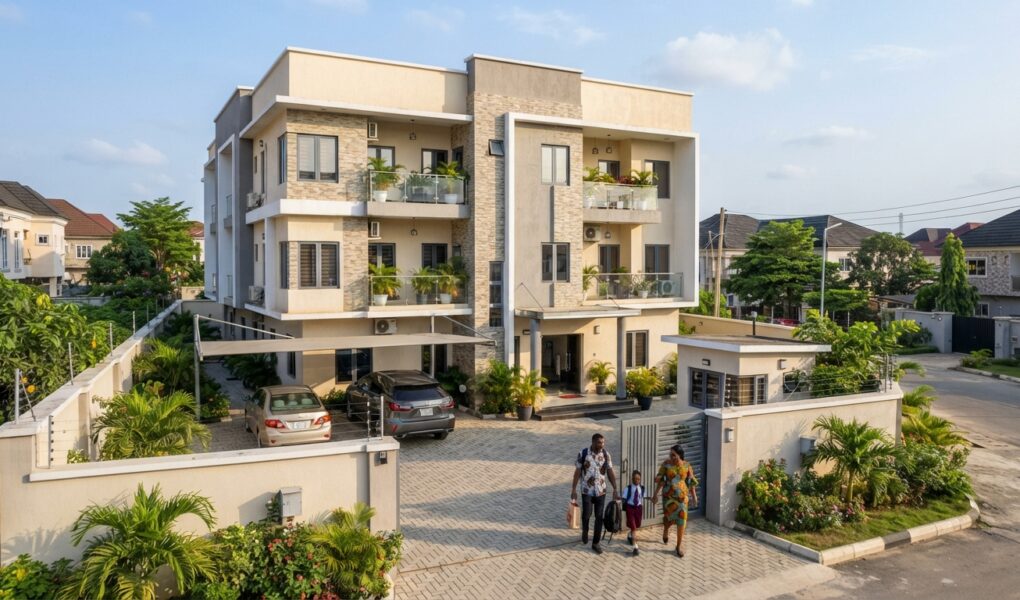
Finding a tenant for a residential property is one thing. Finding someone who is willing to stay for several years, pay rent consistently and take good care of the property is another challenge entirely.
For landlords and property investors in Nigeria, attracting long-term tenants should be an important part of their rental investment strategy. Frequent tenant turnover can lead to additional expenses, including agent commissions, property repairs, repainting, advertising, vacant periods and the stress of searching for new occupants.
However, tenants do not remain in a property simply because they have nowhere else to go. They stay when the property offers a comfortable living environment, reasonable value for money, reliable facilities and a landlord or property manager who takes their concerns seriously.
Whether you own a self-contained apartment, a two-bedroom flat, a terrace house or a detached residential building, understanding what tenants value can help you make your property more attractive and competitive.
So, what exactly makes a residential property attractive to long-term tenants?
Let’s examine the important factors.
1. A Convenient and Accessible Location
Location remains one of the most important considerations when people choose where to live.
A beautiful house in an inconvenient location may struggle to attract tenants who need easy access to their workplaces, schools, markets, hospitals and other essential facilities.
For example, a residential property located close to major roads, public transportation routes, shopping centres and employment areas may appeal to working professionals and families who want to reduce their daily commuting challenges.
In Nigerian cities such as Lagos, Abuja, Ibadan and Port Harcourt, traffic congestion makes accessibility particularly important.
Tenants often consider questions such as:
- How far is the property from their workplace?
- Are public transportation options readily available?
- Is the access road motorable throughout the year?
- Are hospitals, schools and markets nearby?
- Does the neighbourhood become difficult to access during the rainy season?
Landlords cannot always change the location of an existing property. However, they can improve its attractiveness by providing clear directions, maintaining the immediate surroundings and ensuring that access routes remain reasonably convenient.
2. Reliable Water Supply
Water is one of the basic necessities of comfortable residential living.
A property with attractive finishing, modern tiles and beautiful interior decorations may still struggle to retain tenants if residents regularly experience water shortages.
In many Nigerian communities, tenants depend on boreholes, wells, water storage tanks and other alternative sources to meet their daily needs.
A residential property with a functional borehole, adequate water storage facilities and properly maintained plumbing systems has an advantage.
Landlords should pay attention to:
- The availability of a reliable water source.
- The condition of borehole pumps and pumping machines.
- The cleanliness of overhead and underground water tanks.
- Proper drainage around water facilities.
- Regular inspection of pipes, taps and plumbing connections.
Providing reliable water does not necessarily require expensive installations. Sometimes, maintaining existing facilities and addressing minor plumbing problems promptly can significantly improve tenant satisfaction.
3. Stable Electricity and Alternative Power Arrangements
Electricity is another major consideration for residential tenants in Nigeria.
Although landlords cannot control the national electricity supply, they can make their properties more attractive by providing practical alternative power arrangements.
Depending on the property’s rental category and target market, useful provisions may include:
- Adequate wiring and properly installed electrical fittings.
- Space for tenants to install generators.
- Solar power provisions.
- Inverter-compatible electrical systems.
- Properly installed prepaid electricity meters.
- Functional security lighting in shared areas.
For middle-income and upper-income tenants, properties with existing solar or inverter systems may be particularly attractive.
However, landlords should avoid advertising power facilities that do not meet tenants’ expectations.
If a property has solar electricity, for example, it is useful to explain which appliances the system can support and how long the backup supply is expected to last.
Transparency helps tenants make informed decisions and prevents disagreements after moving in.
4. Good Security and a Safe Neighbourhood
Security is not a luxury. It is a fundamental part of residential comfort.
Most tenants want to live in an environment where they can sleep peacefully, leave their homes for work and return without unnecessary fear.
A residential property becomes more attractive when the building and surrounding environment provide reasonable security arrangements.
Some important features include:
- Strong entrance doors and functional locks.
- Secure windows and burglary protection where appropriate.
- Adequate outdoor lighting.
- Properly secured perimeter fencing.
- Controlled access to residential compounds.
- Functional gates and access points.
- A neighbourhood with effective security arrangements.
For properties within gated estates, the quality of estate security management can also influence tenants’ decisions.
Landlords should remember that security involves more than installing a high fence or expensive gate. The surrounding neighbourhood, street lighting, access roads and general environment also contribute to how safe residents feel.
5. Clean, Functional and Well-Maintained Facilities
One of the fastest ways to discourage a good tenant from renewing a rental agreement is to allow the property to deteriorate.
Leaking roofs, blocked drainage systems, damaged ceilings, faulty electrical connections, broken doors and leaking pipes can gradually turn a comfortable home into a frustrating place to live.
Tenants generally appreciate properties where basic facilities work as expected.
Before advertising a vacant property, landlords should inspect:
- Roofs and ceilings.
- Toilets and bathrooms.
- Kitchen cabinets and sinks.
- Doors, locks and windows.
- Electrical installations.
- Water supply systems.
- Drainage channels.
- Floors, walls and paintwork.
It is also important to conduct periodic inspections and respond to genuine maintenance complaints.
A property does not need expensive luxury finishing to attract long-term tenants. What matters is that its essential features are functional, clean and properly maintained.
6. Reasonable Rent and Good Value for Money
Rental affordability is a major consideration for tenants, particularly as households balance accommodation costs with transportation, food, electricity, education and other expenses.
A landlord who consistently charges above the prevailing market rate may experience difficulties attracting and retaining tenants, especially when competing properties offer better facilities at lower prices.
However, charging the cheapest rent is not necessarily the best investment strategy.
The goal should be to offer reasonable value for money.
Before determining the rental price, landlords should consider:
- The prevailing rent for similar properties in the neighbourhood.
- The property’s condition and finishing.
- Available water and electricity facilities.
- Security arrangements.
- Accessibility and neighbourhood amenities.
- The property’s maintenance requirements.
For example, a two-bedroom apartment with reliable water, good security, functional plumbing and convenient access roads may justify a higher rental price than a similar-sized apartment with poorly maintained facilities.
Nevertheless, the difference should be reasonable and supported by the actual benefits offered.
Tenants are more likely to remain when they believe the rent they pay reflects the quality of accommodation they receive.
7. Adequate Space and Practical Interior Design
A residential property should support the everyday activities of the people living in it.
A house may look impressive from the outside but become uncomfortable when the bedrooms are too small, the kitchen is poorly arranged or there is insufficient storage space.
Practical interior design can make a significant difference.
Important considerations include:
- Bedrooms that comfortably accommodate essential furniture.
- Adequate living and dining areas.
- Functional kitchen layouts.
- Sufficient storage space.
- Well-positioned windows.
- Good ventilation.
- Convenient bathroom arrangements.
- Reasonable privacy between living spaces.
For families, adequate bedroom space and privacy may be particularly important.
For working professionals, a small additional area that can serve as a home office may increase the property’s appeal.
Landlords planning new developments should consider how people will actually use the available spaces rather than focusing exclusively on external appearance.
8. Good Ventilation and Natural Lighting
A comfortable residential property should not feel excessively hot, dark or poorly ventilated.
This is particularly important in Nigeria, where high temperatures and humidity can make poorly designed buildings uncomfortable.
Properties with properly positioned windows, sufficient natural lighting and effective ventilation often provide a better living experience.
Landlords should consider:
- Windows that allow adequate airflow.
- Properly designed ventilation openings.
- Adequate natural lighting during the day.
- Roof insulation where appropriate.
- Functional ceiling fans.
- Prevention of dampness and moisture accumulation.
Good ventilation also helps reduce unpleasant indoor odours and moisture-related problems.
These improvements do not always require major renovations. Sometimes, correcting blocked ventilation openings or replacing unsuitable windows can improve the living environment considerably.
9. Good Drainage and Flood Prevention
Poor drainage is one of the problems that can make an otherwise attractive residential property difficult to occupy.
During the rainy season, properties located in areas with inadequate drainage may experience flooding, waterlogged compounds, damaged access roads and unpleasant environmental conditions.
These problems can affect tenants’ daily movement and create additional maintenance expenses.
Before renting out a property, landlords should examine:
- The condition of drainage channels.
- The direction of surface water flow.
- The possibility of water entering the building.
- The elevation of the compound.
- The condition of nearby roads.
- Evidence of previous flooding.
In areas with known drainage challenges, landlords should take reasonable preventive measures rather than waiting for major problems to develop.
A dry, clean and accessible compound contributes significantly to residential comfort.
10. A Clean and Pleasant Neighbourhood
Tenants do not evaluate a property based on the building alone. They also consider the environment in which the building is located.
A well-maintained residential compound surrounded by an unpleasant neighbourhood may not provide the living experience tenants expect.
Environmental factors that influence residential attractiveness include:
- Proper refuse disposal.
- Clean streets and access roads.
- Limited noise pollution.
- Effective drainage.
- Reasonable proximity to essential services.
- Well-maintained neighbouring buildings.
- Adequate environmental sanitation.
For families with children, the general condition of the neighbourhood may be particularly important.
Landlords in shared compounds and managed estates should encourage responsible waste disposal and proper maintenance of common areas.
11. A Responsive and Responsible Landlord
The relationship between landlords and tenants can determine whether a tenant decides to renew a rental agreement.
Even a well-built property can become frustrating when the landlord is difficult to contact or consistently ignores maintenance complaints.
Tenants appreciate landlords who communicate respectfully, provide clear information and handle genuine property-related concerns promptly.
Good landlord practices include:
- Responding to maintenance requests.
- Providing advance notice before necessary inspections.
- Explaining rental terms clearly.
- Avoiding unnecessary interference with tenants’ privacy.
- Maintaining accurate rent payment records.
- Communicating changes in a timely and respectful manner.
Where landlords have multiple properties or live outside the location of their investments, engaging a reliable property manager can make a considerable difference.
Effective property management helps prevent small problems from becoming expensive disputes.
12. Transparent Rental Agreements and Fair Policies
Tenants are more comfortable committing to a property when they understand the terms and conditions of their tenancy.
Unclear rental agreements, unexpected charges and frequent changes to previously agreed conditions can damage the landlord-tenant relationship.
A properly prepared tenancy agreement should clearly explain:
- The rental amount and payment schedule.
- The tenancy duration.
- Responsibilities for repairs and maintenance.
- Utility payment arrangements.
- Service charges, where applicable.
- Rules governing the use of common areas.
- Conditions for renewal and termination.
- Security deposit arrangements, where applicable.
Landlords should ensure that rental agreements comply with applicable tenancy laws.
Transparency creates confidence and helps both parties understand their responsibilities.
13. Functional Parking and Adequate Compound Space
Parking availability can influence the attractiveness of a residential property, particularly for tenants who own vehicles.
A property without adequate parking may be inconvenient for households that have one or more cars.
Where possible, landlords should provide:
- Secure parking spaces.
- Convenient vehicle access.
- Adequate turning space.
- Proper compound lighting.
- Reasonable separation between parking and pedestrian areas.
Even where dedicated parking is unavailable, clearly communicating the available arrangements helps prospective tenants make informed decisions.
For family-oriented residential properties, sufficient compound space can also provide additional convenience for everyday activities.
14. Pet-Friendly and Family-Friendly Arrangements
Different categories of tenants have different residential needs.
Some tenants have children, while others own pets or require additional flexibility because of their work arrangements.
Landlords who understand their target market can make their properties more attractive by adopting reasonable and clearly communicated policies.
For example, a family-oriented property may benefit from:
- Adequate bedroom space.
- Secure windows and balconies.
- Safe staircases.
- Functional bathrooms.
- A reasonably secure compound.
For landlords who permit pets, clear rules about cleanliness, noise and responsibility for damage can help maintain the property.
The objective is not to accommodate every possible request but to establish reasonable policies that support comfortable living.
15. Consistent Property Management and Long-Term Maintenance
A residential property should not receive attention only when a tenant is preparing to move out.
Consistent maintenance is essential for preserving the property’s condition and encouraging tenants to remain.
Landlords should establish a practical maintenance schedule covering:
- Plumbing inspections.
- Electrical system checks.
- Roof inspections.
- Painting and minor repairs.
- Drainage cleaning.
- Water tank cleaning.
- Pest control.
- Generator or solar system servicing, where applicable.
- Maintenance of shared facilities.
A proactive approach helps landlords identify problems before they become expensive.
It also demonstrates to tenants that the landlord is committed to providing a comfortable living environment.
Why Attracting Long-Term Tenants Benefits Property Owners
Attracting long-term tenants is not just about keeping a property occupied. It can also improve the financial performance of a rental investment.
Here are some important benefits.
1. Reduced tenant turnover costs
Every time a tenant leaves, landlords may incur expenses relating to advertising, agent commissions, cleaning, repainting and repairs.
Longer tenancies can reduce how frequently these expenses occur.
2. Lower vacancy periods
A property that remains occupied consistently is less likely to lose rental income through extended vacancy periods.
3. Better maintenance planning
Tenants who are comfortable in their homes are often more willing to communicate maintenance issues early, allowing landlords to address them before they become serious.
4. More predictable rental income
Stable tenancies can make it easier for property owners to plan for maintenance, loan repayments and other investment expenses.
5. Stronger property reputation
Satisfied tenants may recommend the property to friends, relatives and colleagues.
Positive recommendations can help landlords attract prospective occupants without depending entirely on paid advertising.
6. Better long-term investment performance
Reduced vacancy periods and lower turnover expenses can improve the property’s net rental income over time.
Practical Ways Landlords Can Make Their Properties More Attractive
Landlords do not necessarily need to spend millions of naira renovating a property before attracting long-term tenants.
The more effective approach is to identify the improvements that matter most to the target tenant market.
Consider prioritising the following:
- Repair leaking roofs, damaged ceilings and plumbing problems.
- Ensure reliable water supply and adequate storage.
- Improve security arrangements and outdoor lighting.
- Maintain clean and functional bathrooms and kitchens.
- Address drainage and waste disposal problems.
- Improve ventilation and natural lighting.
- Set a competitive rental price.
- Maintain common areas and access roads where responsible.
- Respond promptly to genuine tenant complaints.
- Establish clear and fair tenancy policies.
These improvements can make a property more competitive without unnecessary spending on decorative features that may not significantly improve tenant satisfaction.
Conclusion: Comfortable Living Is the Secret to Tenant Retention
A residential property becomes attractive to long-term tenants when it offers more than four walls and a roof. It should provide a comfortable, secure, accessible and reasonably affordable living environment.
For landlords and property investors in Nigeria, the most important lesson is that tenant retention begins with understanding what residents actually need.
Reliable water, functional electricity arrangements, good security, adequate space, proper drainage, reasonable rent and responsive property management can make a significant difference.
Expensive tiles, imported fittings and impressive exterior decorations may attract attention during property inspections, but they cannot replace the everyday comfort tenants expect.
Ultimately, landlords who invest in property quality, consistent maintenance and good tenant relationships are better positioned to build stable rental income and protect the long-term value of their investments.
A property that people enjoy living in is more likely to become a property they are willing to stay in.
Frequently Asked Questions (FAQs)
1. What do tenants look for when renting a house in Nigeria?
Tenants commonly consider location, rental price, security, water supply, electricity arrangements, accessibility, property condition, drainage and proximity to essential facilities.
2. How can landlords attract long-term tenants?
Landlords can attract long-term tenants by maintaining their properties, charging competitive rents, providing functional facilities, responding to maintenance complaints and establishing fair tenancy agreements.
3. Does property maintenance affect tenant retention?
Yes. Regular maintenance helps prevent inconveniences, improves residential comfort and demonstrates that the landlord is committed to providing suitable accommodation.
4. Is location more important than the appearance of a property?
Both matter, but location can have a lasting influence on everyday convenience. A beautiful property in an inaccessible or poorly serviced neighbourhood may struggle to attract certain categories of tenants.
5. What facilities make a rental property more attractive?
Important facilities include reliable water supply, functional plumbing, good electrical installations, secure doors and windows, adequate ventilation, clean bathrooms, drainage and convenient parking.
6. Should landlords renovate their properties to attract better tenants?
Renovation can improve rental appeal, but landlords should prioritise essential repairs and improvements that address genuine tenant needs before spending heavily on luxury decorations.
7. Why do good tenants leave rental properties?
Common reasons include excessive rent increases, poor maintenance, unreliable utilities, security concerns, inconvenient locations, unresolved disputes and poor communication with landlords.