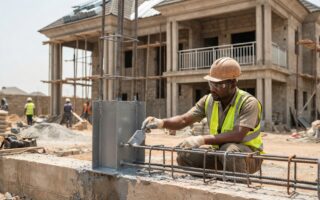
Returning to Nigeria after spending several years abroad can be an exciting experience, particularly when you own a house you can call home. Whether you relocated for employment, education, business or family reasons, having your own property waiting for you can make the transition easier.
However, owning a house in Nigeria does not necessarily mean it is ready for immediate occupation.
A property that has remained unoccupied for several years may have developed maintenance problems, security weaknesses, plumbing defects, electrical faults and other issues that require attention. Even houses that have been occupied by tenants or managed by caretakers may need considerable renovation before the owners move back.
For many Nigerians in the diaspora, the excitement of returning home can quickly turn into frustration when they discover that their supposedly completed house needs extensive repairs.
Imagine arriving in Nigeria with your family, expecting to settle into your own home, only to discover leaking roofs, damaged ceilings, faulty electrical installations, broken water systems or rooms that need repainting.
This is why preparing your Nigerian property before returning home is essential.
Whether you are planning to relocate permanently or spend an extended period in Nigeria, here are important steps to take to make your property safe, comfortable and ready for your arrival.
1. Arrange a Professional Inspection of the Property
Before making any major plans, arrange for a comprehensive inspection of your property.
Do not assume that everything is still in good condition simply because someone has been looking after the building.
A house that has remained empty for years may have experienced gradual deterioration that was never reported.
Engage a qualified building professional, such as an architect, building surveyor or experienced property inspector, to assess the condition of the building.
The inspection should cover:
- The roof and ceiling.
- Walls and plasterwork.
- Doors and windows.
- Floors and staircases.
- Electrical installations.
- Plumbing systems.
- Bathrooms and toilets.
- Drainage systems.
- External walls and fencing.
- Signs of dampness, water leakage or structural movement.
Request a written inspection report supported by photographs.
This will help you understand the condition of the property and identify repairs that should be completed before your return.
2. Inspect the Roof and Ceiling for Damage
Roof problems are among the issues you should investigate before moving into a property that has been unoccupied for years.
Rainwater may have entered through damaged roofing sheets, loose roof fittings, deteriorated flashing or poorly maintained roof joints.
Even a small leak can cause significant damage when left unattended.
Check for:
- Damaged or displaced roofing sheets.
- Rusting metal roofing components.
- Broken roof accessories.
- Water stains on ceilings.
- Sagging ceiling boards.
- Signs of mould or dampness.
- Damaged roof gutters and drainage outlets.
If the house has experienced repeated roof leakage, inspect the roof structure and ceiling framework as well.
Do not simply repaint a water-stained ceiling without identifying and fixing the source of the leakage.
Where necessary, engage a qualified roofer to carry out repairs before repainting or replacing damaged ceiling materials.
3. Check the Plumbing and Water Supply Systems
A house that has remained unused for several years may have plumbing problems that are not immediately obvious.
Pipes may have developed leaks, taps may be damaged, toilet fittings may no longer function properly, and water storage systems may require cleaning.
Before moving in, inspect the entire plumbing system.
Pay particular attention to:
- Water supply pipes.
- Kitchen and bathroom taps.
- Shower installations.
- Toilet flushing systems.
- Water storage tanks.
- Borehole equipment.
- Water pumps.
- Drainage pipes.
- Septic tanks and soakaway systems.
If the property has a borehole, arrange for the pump and associated equipment to be checked.
Water storage tanks should also be inspected and cleaned appropriately before use.
If you intend to use the property’s water for drinking and cooking, arrange suitable water quality testing rather than assuming that clear-looking water is safe.
4. Inspect the Electrical Installation
Electrical problems should never be ignored, particularly when preparing an older or previously unoccupied property.
Wiring insulation may have deteriorated, electrical fittings may have become damaged, and some installations may no longer meet appropriate safety requirements.
Ask a qualified electrician to inspect the electrical system before reconnecting or increasing electrical loads.
The inspection should cover:
- Distribution boards.
- Circuit breakers.
- Electrical cables.
- Wall sockets.
- Light switches.
- Earthing arrangements.
- Outdoor electrical installations.
- Generator connections.
- Inverter and solar installations.
If you intend to install air conditioners, electric cookers, water heaters or other high-power appliances, ensure that the electrical installation can safely accommodate the expected load.
Avoid allowing unqualified workers to make major electrical modifications simply because they are cheaper.
5. Restore the Security of the Property
Security should be one of your priorities, particularly if the house has been unoccupied for a long time.
A property that appears abandoned may attract unwanted attention.
Before returning, inspect the perimeter fence, gates, doors, windows and other access points.
Consider the following improvements:
- Replace damaged door locks.
- Change locks if previous occupants or multiple caretakers had access.
- Repair broken windows.
- Strengthen the main entrance.
- Install appropriate outdoor lighting.
- Repair damaged fencing.
- Secure secondary entrances.
- Install CCTV cameras where appropriate.
- Consider an alarm system.
If the property is located within an estate, speak with the estate management about security arrangements, access procedures and any outstanding service charges.
It is also advisable to establish who currently has keys to the property.
Do not assume that a caretaker, former tenant or contractor has returned every key previously issued.
6. Check for Dampness, Mould and Pest Infestation
Long periods without proper ventilation and maintenance can create conditions that encourage dampness, mould and pest infestation.
This is particularly important for properties that have remained closed for extended periods.
Inspect wardrobes, ceilings, bathrooms, kitchens, storage areas and other spaces where moisture may accumulate.
Look for:
- Black or greenish patches on walls.
- Musty smells.
- Peeling paint.
- Damp patches.
- Termite activity.
- Rodent droppings.
- Cockroach infestations.
- Damaged wooden furniture.
- Signs of insects in roof spaces.
If mould is discovered, identify and correct the moisture source before cleaning or repainting affected surfaces.
Where there is significant infestation, engage an appropriate pest control professional.
Do not simply spray insecticides and assume that the problem has been completely resolved.
7. Reconnect and Test Essential Utilities
Before moving into your property, ensure that essential services are available and functioning.
These may include electricity, water, internet and waste disposal arrangements.
For electricity, confirm the property’s connection status and inspect the meter and associated installation.
If the house uses prepaid electricity, check the meter and vending arrangements.
If you have a generator, inverter or solar power system, arrange for professional inspection and servicing.
For water, establish whether the property relies on public supply, a borehole, a well or a combination of sources.
You should also check whether there are outstanding utility bills or estate service charges.
Having these arrangements completed before your arrival will make settling into the house considerably easier.
8. Carry Out Necessary Renovations and Repainting
After years abroad, your property may need more than minor maintenance.
Depending on its condition, some areas may require renovation or complete replacement.
Common renovation activities include:
- Repainting interior and exterior walls.
- Replacing damaged ceiling boards.
- Repairing floor tiles.
- Replacing broken doors.
- Upgrading bathroom fittings.
- Modernising kitchen cabinets.
- Repairing damaged windows.
- Improving lighting installations.
- Replacing worn-out fixtures.
However, avoid spending money on purely decorative improvements before addressing safety and functional problems.
For example, replacing expensive floor tiles while ignoring a leaking roof is not a sensible renovation priority.
Deal with structural, electrical, plumbing and security concerns first.
You can then move on to aesthetics and interior decoration.
9. Check the Kitchen and Bathroom Facilities
The kitchen and bathrooms are among the most frequently used areas of a residential property.
They should be inspected carefully before occupation.
In the kitchen, check:
- Kitchen cabinets.
- Worktops.
- Sinks and taps.
- Plumbing connections.
- Electrical sockets.
- Ventilation.
- Cooking appliances.
- Drainage outlets.
In the bathrooms, inspect:
- Toilets.
- Showers.
- Washbasins.
- Water heaters.
- Bathroom fittings.
- Floor and wall tiles.
- Drainage.
- Waterproofing.
If the property has not been used for a long time, run the water through the appropriate plumbing outlets after the system has been checked.
Clean and disinfect bathroom surfaces before use.
Consider upgrading outdated kitchen and bathroom facilities if your budget allows.
10. Inspect the Compound, Drainage and Surrounding Environment
The condition of your compound is just as important as the condition of the building itself.
Overgrown vegetation, blocked drainage channels and accumulated waste can make a property uncomfortable and potentially create environmental health problems.
Before returning, arrange for the compound to be cleared and cleaned.
Check:
- Drainage channels.
- Gutters and water outlets.
- Septic tank and soakaway arrangements.
- Compound flooring.
- Perimeter fencing.
- Gates.
- Outdoor lighting.
- Trees and overgrown vegetation.
- Waste disposal areas.
In locations where flooding is a concern, pay particular attention to drainage and signs of previous water accumulation.
If you discover persistent flooding or waterlogging, investigate the underlying cause before spending money on cosmetic improvements.
A well-maintained compound improves the appearance, functionality and overall comfort of your property.
11. Confirm That Your Property Documents Are Safe and Accessible
Returning home after several years abroad is also a good opportunity to review your property documentation.
Locate and organise important ownership and construction records.
Depending on the property’s ownership history, these may include:
- Certificate of Occupancy (C of O).
- Registered Deed of Assignment.
- Survey plan.
- Building approval.
- Purchase receipts.
- Allocation documents.
- Construction contracts.
- Architectural drawings.
- Structural drawings.
- Property tax and relevant payment records.
Keep original documents in a secure location and maintain digital copies.
If the property has been managed by relatives, agents or caretakers, confirm that important documents have not been misplaced.
If you have concerns about ownership, unauthorised transactions or disputes involving the property, consult a qualified Nigerian property lawyer before taking action.
12. Find Out Who Has Been Accessing or Occupying Your Property
If you have been abroad for several years, you should establish the property’s occupancy history.
Has someone been living there?
Was the house rented out?
Did a relative use part of the building?
Was a caretaker appointed?
Were any rooms occupied without your knowledge?
These are important questions to answer before moving back.
If tenants previously occupied the property, review the tenancy arrangements and confirm that the property has been properly handed over.
If a caretaker was responsible for maintaining the building, request an account of the work performed and any outstanding maintenance issues.
If you discover an unauthorised occupant, avoid attempting forced eviction or changing locks without following the appropriate legal process. Seek advice from a Nigerian property lawyer.
Knowing who has access to your property will help you avoid unnecessary disagreements and protect your ownership interests.
13. Prepare the House for Your Family’s Needs
A house that was suitable for you several years ago may no longer meet your family’s current needs.
Perhaps you now have children, your family has grown, or your lifestyle has changed.
Before returning, evaluate whether the existing arrangement is still practical.
Consider:
- Whether the bedrooms are sufficient.
- Whether additional wardrobes are needed.
- Whether the kitchen has enough storage.
- Whether children have suitable sleeping arrangements.
- Whether bathrooms are adequate.
- Whether the living room can accommodate your family.
- Whether a home office is necessary.
- Whether elderly family members need improved accessibility.
If you work remotely, you may also want to create a dedicated workspace with reliable internet connectivity and suitable electrical backup.
These considerations can help you avoid unnecessary renovations after you have already moved in.
14. Budget for Repairs and Unexpected Expenses
One mistake returning homeowners make is assuming that a property they already own will require very little money before occupation.
Unfortunately, even a house that appears to be in reasonable condition may need several repairs.
Prepare a realistic renovation and maintenance budget before starting work.
Divide your budget into different categories:
Essential repairs
- Roof repairs.
- Electrical repairs.
- Plumbing repairs.
- Security improvements.
- Structural repairs where professionally recommended.
General maintenance
- Cleaning.
- Pest control.
- Painting.
- Compound maintenance.
- Plumbing fixture replacement.
Comfort and upgrades
- Air conditioners.
- Kitchen improvements.
- Furniture.
- Window coverings.
- Internet installation.
- Solar and backup power systems.
Emergency allowance
Set aside additional funds for unexpected problems discovered during renovation.
Obtain quotations from different contractors and avoid approving major expenses without understanding the scope of work.
15. Consider Installing Solar Power and Backup Electricity
Reliable electricity is an important consideration for anyone preparing to settle in Nigeria.
Depending on your location and household requirements, you may want to install or upgrade a solar power system.
Before making this investment, assess your electricity needs.
Consider the appliances you intend to operate, including:
- Refrigerators and freezers.
- Air conditioners.
- Lighting.
- Television sets.
- Computers.
- Water pumps.
- Internet equipment.
- Kitchen appliances.
Ask a qualified solar installer to assess the expected load and recommend an appropriately sized system.
Do not purchase batteries and inverters based solely on attractive advertisements or recommendations from people who have different energy requirements.
A properly designed system can improve comfort and reduce dependence on alternative electricity sources.
16. Arrange Internet Connectivity Before Moving In
For Nigerians returning from countries where reliable internet connectivity is readily available, internet access may be an important part of settling back into everyday life.
If you work remotely, run an online business or depend on digital services, plan your internet installation before moving in.
Research available broadband and fibre services in your property’s location.
Where fixed broadband is unavailable, consider suitable mobile broadband options.
Also consider the location of your router, Wi-Fi coverage and backup power for your internet equipment.
Getting these arrangements ready before your arrival can save considerable time.
17. Furnish the Property Before Your Arrival
If you have been away for many years, your house may be empty or contain furniture that is no longer suitable.
Decide what you need before purchasing new household items.
Start with essential furniture and appliances.
These may include:
- Beds and mattresses.
- Sofas and living room furniture.
- Dining table and chairs.
- Wardrobes.
- Refrigerators.
- Cooking appliances.
- Washing machines.
- Curtains and blinds.
- Lighting fixtures.
Inspect existing furniture before deciding what to replace.
If you intend to ship household belongings from abroad, compare the total shipping and customs-related costs with the cost of purchasing suitable items in Nigeria.
Avoid furnishing every room immediately if doing so would place unnecessary pressure on your relocation budget.
18. Arrange a Final Deep Cleaning Before Moving In
After repairs and renovations have been completed, organise a thorough cleaning of the property.
Construction dust, accumulated dirt, insects and unpleasant odours can make a house uncomfortable even after major repairs have been completed.
The cleaning exercise should cover:
- Floors and walls.
- Windows and window frames.
- Kitchen cabinets.
- Bathroom fittings.
- Wardrobes.
- Ceiling surfaces.
- Doors.
- Storage areas.
- Outdoor spaces.
Wash curtains and clean any furniture you intend to reuse.
Ensure that water storage tanks and other household water facilities have been appropriately cleaned.
If major renovations have taken place, allow adequate ventilation before moving furniture and personal belongings into the house.
19. Conduct a Final Inspection Before Your Family Arrives
Do not wait until the day your family arrives before discovering that something important is not working.
Arrange a final inspection after repairs, cleaning and installations have been completed.
Test the electricity, water supply, plumbing fixtures, security systems, appliances and other essential facilities.
Check that doors and windows lock properly.
Confirm that the bedrooms, kitchen and bathrooms are ready for immediate use.
If possible, spend a night or two in the property before the full family relocation.
This can help identify problems that may not become obvious during a brief daytime inspection.
For example, you may discover inadequate outdoor lighting, water pressure problems, excessive noise or poor ventilation.
Resolving these issues before the main relocation can make the experience much smoother.
A Practical Timeline for Preparing Your Nigerian Property
If you have enough time before returning, avoid rushing everything into the final few weeks.
Consider this suggested preparation schedule.
Three to six months before returning
- Arrange a professional property inspection.
- Assess the building’s condition.
- Obtain renovation quotations.
- Prepare your budget.
- Identify reliable contractors.
- Review property documentation.
Two to three months before returning
- Complete essential repairs.
- Fix roofing and plumbing problems.
- Address electrical and security issues.
- Carry out necessary renovations.
- Arrange utility reconnections.
One month before returning
- Complete painting and finishing.
- Install internet and backup electricity.
- Purchase essential furniture and appliances.
- Arrange pest control.
- Begin thorough cleaning.
One to two weeks before returning
- Conduct the final property inspection.
- Test all essential facilities.
- Confirm water and electricity availability.
- Check security arrangements.
- Arrange household supplies.
- Prepare the bedrooms and bathrooms.
The timeline may change depending on the size, age and condition of your property.
Common Mistakes to Avoid When Preparing Your Property for Return
Even with proper planning, some returning homeowners make mistakes that increase their expenses or create unnecessary stress.
Avoid these common problems:
1. Assuming the property is in good condition: Always arrange an inspection rather than relying entirely on reports from caretakers or relatives.
2. Starting with decoration instead of repairs: Fix structural, electrical, plumbing and security problems before spending heavily on aesthetics.
3. Ignoring the compound: Poor drainage, overgrown vegetation and damaged fencing can affect the usability and security of the property.
4. Hiring contractors without written agreements: Document the scope of work, payment arrangements, timelines and responsibilities.
5. Spending without a budget: Unplanned renovations can consume money intended for other relocation expenses.
6. Forgetting about documentation: Ensure that ownership records and relevant building documents are safe and accessible.
7. Waiting until arrival to organise utilities: Electricity, water, internet and other essential services should be arranged ahead of time.
8. Allowing unnecessary access to the property: Review who has keys and establish clear security arrangements before moving in.
Conclusion
Returning to Nigeria after spending several years abroad should be an exciting new chapter, not an experience filled with unexpected property repairs and avoidable expenses.
Whether you own a bungalow, duplex, detached house or apartment, preparing the property ahead of your return can make a significant difference to your relocation experience.
Start with a professional inspection, identify necessary repairs, restore essential utilities, strengthen security, organise your documents and make the house comfortable for your family’s needs.
Most importantly, do not wait until you arrive in Nigeria before beginning the preparation process.
With proper planning, you can return to a property that is safe, functional and ready to welcome you home.
Your Nigerian property should be a source of comfort when you return, not another construction project waiting to drain your savings.