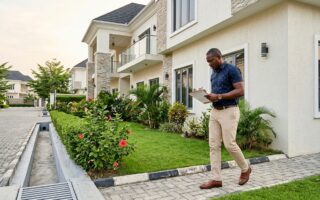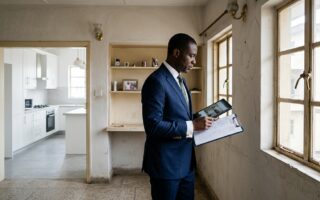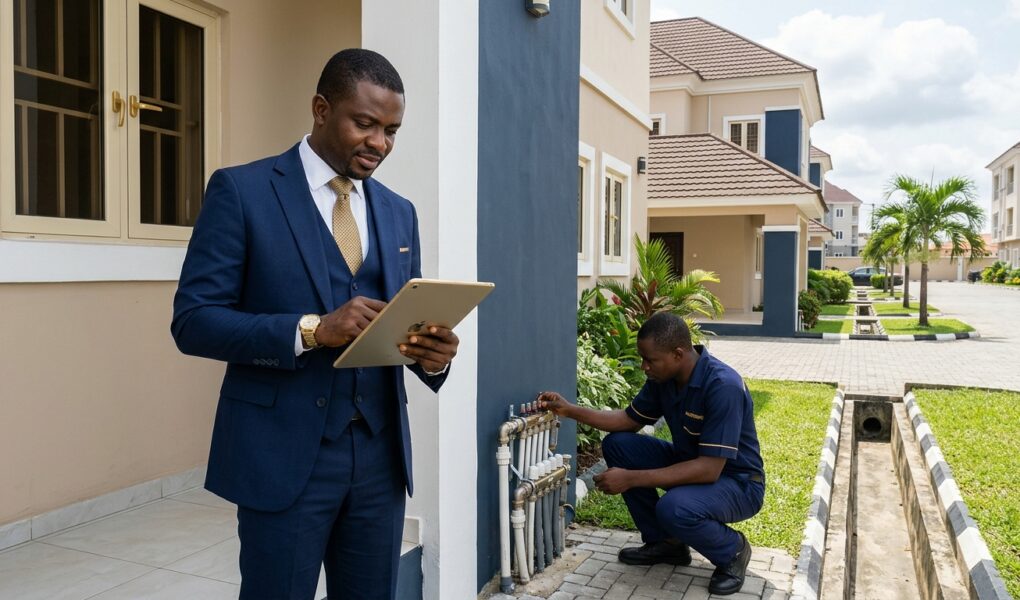
Owning rental properties in Nigeria can provide a reliable source of income, but maintaining those properties is an ongoing financial responsibility. From leaking roofs and faulty plumbing to electrical problems, damaged doors, drainage issues, and deteriorating paintwork, maintenance expenses can gradually consume a significant portion of a landlord’s rental income.
For landlords managing multiple properties, these expenses can become even more challenging. A minor plumbing problem in one apartment, a damaged water pump in another, and an unexpected roofing repair in a third property can create substantial financial pressure.
However, reducing property maintenance costs does not necessarily mean using inferior materials, ignoring tenant complaints, or postponing essential repairs.
The most effective approach is to manage maintenance strategically, identify problems early, use reliable professionals, and plan expenditure before emergencies occur.
For Nigerian landlords, where construction materials, labour, transportation, and equipment prices can fluctuate, having an organised maintenance strategy is particularly important.
Whether you own a single rental apartment in Ibadan, several houses in Lagos, or residential properties across different Nigerian cities, the following strategies can help you reduce maintenance expenses while protecting your investment.
1. Conduct Regular Property Inspections
One of the easiest ways to reduce property maintenance expenses is to identify problems before they become expensive.
Unfortunately, some landlords only inspect their properties when tenants report serious problems or when a building becomes vacant.
This reactive approach can allow minor defects to develop into major repairs.
For example, a small roof leak might initially require a relatively inexpensive repair. However, if ignored for several months, it could damage ceilings, electrical installations, wall finishes, and other parts of the building.
Develop a regular inspection schedule covering:
- Roofs and ceilings.
- Plumbing installations.
- Electrical fittings.
- Doors and windows.
- Bathroom facilities.
- Kitchen fittings.
- Drainage systems.
- Exterior walls and paintwork.
- Water tanks and pumping equipment.
- Security installations.
For occupied properties, arrange inspections with appropriate notice and respect tenants’ privacy.
Document your findings with photographs and written reports. This makes it easier to compare the property’s condition over time and identify recurring problems.
2. Create a Preventive Maintenance Schedule
Preventive maintenance involves servicing and inspecting building components before they fail.
Rather than waiting for something to break, landlords should establish a schedule for maintaining important parts of their properties.
For example:
Monthly maintenance
- Check visible plumbing leakages.
- Inspect common areas.
- Check water pumps for unusual noise.
- Examine external drainage for blockages.
- Review outstanding tenant maintenance complaints.
Quarterly maintenance
- Inspect roofing and accessible ceiling areas.
- Check electrical installations for visible defects.
- Inspect water tanks and plumbing connections.
- Examine gates, locks, and security fittings.
- Review the condition of shared facilities.
Annual maintenance
- Arrange professional electrical and plumbing assessments where appropriate.
- Inspect the general condition of the building.
- Assess external and internal paintwork.
- Review roofing and waterproofing.
- Evaluate major equipment and replacement requirements.
The schedule should be adjusted to the property’s age, condition, equipment, and environment.
A well-maintained building generally requires fewer emergency interventions than one that receives attention only after something fails.
3. Fix Small Problems Immediately
Delaying minor repairs is one of the most expensive mistakes landlords make.
A dripping tap might appear insignificant, but persistent water leakage can increase water bills and damage surrounding surfaces.
Similarly, a blocked drainage channel can cause water accumulation during heavy rainfall, potentially affecting the building’s foundation and surrounding areas.
Other problems that should receive prompt attention include:
- Loose electrical fittings.
- Broken door locks.
- Damaged window frames.
- Small plumbing leaks.
- Cracked sanitary fittings.
- Peeling waterproofing materials.
- Minor roof defects.
Do not confuse reducing maintenance costs with postponing necessary repairs.
The objective is to spend a manageable amount early rather than face a much larger repair bill later.
4. Use Durable Building Materials Instead of Always Choosing the Cheapest Options
Choosing the cheapest available materials may reduce immediate expenditure, but it can increase long-term maintenance costs.
For example, inexpensive plumbing components may require frequent replacement, while poorly selected exterior paint may deteriorate quickly under intense sunlight and heavy rainfall.
The same applies to electrical fittings, roofing materials, door handles, bathroom accessories, and floor finishes.
When purchasing materials, consider:
- Expected lifespan.
- Resistance to moisture.
- Suitability for local weather conditions.
- Availability of replacement parts.
- Ease of maintenance.
- Manufacturer warranties.
- Installation requirements.
For rental properties, the best materials are not necessarily the most expensive ones.
Look for products that offer a reasonable balance between purchase price, durability, availability, and replacement costs.
Spending slightly more on a frequently used component can sometimes prevent repeated repair expenses.
5. Build Relationships With Reliable Artisans and Contractors
Finding a plumber, electrician, carpenter, painter, or roofer whenever an emergency occurs can be stressful and expensive.
Landlords who depend entirely on emergency contractors may end up paying higher labour charges, particularly when urgent repairs are required outside normal working hours.
Instead, develop relationships with reliable service providers.
Maintain contacts for:
- Licensed or appropriately qualified electricians.
- Experienced plumbers.
- Roofing specialists.
- Carpenters.
- Painters.
- Tilers.
- General building contractors.
- Pest control professionals.
Where possible, obtain recommendations from other property owners and verify previous work.
Keep records of contractors who consistently deliver satisfactory results.
Having trusted professionals available can improve response times, reduce repeated workmanship problems, and make maintenance expenditure easier to estimate.
For major repairs, obtain multiple quotations before approving the work.
6. Compare Quotations Before Approving Major Repairs
Never assume that the first quotation you receive represents the actual market cost of a repair.
Two contractors may propose different prices for the same work.
For example, one contractor might quote ₦350,000 for a plumbing replacement, while another quotes ₦480,000.
However, choosing the cheaper quotation without examining its details can also be a mistake.
Compare:
- Labour costs.
- Materials to be supplied.
- Quantity and quality of materials.
- Transportation expenses.
- Scope of work.
- Completion timelines.
- Warranty or workmanship guarantees.
Make sure both contractors are quoting for substantially the same job.
For major projects, request a written breakdown rather than accepting a single unexplained figure.
This helps prevent unnecessary spending and makes it easier to identify inflated material or labour charges.
7. Establish Clear Maintenance Responsibilities With Tenants
Landlords sometimes spend money repairing problems that could have been prevented through proper tenant education and clearly defined responsibilities.
For example, tenants should understand how to use plumbing facilities properly, dispose of waste, keep drainage channels free of rubbish, and report defects promptly.
Your tenancy agreement should clearly explain the respective responsibilities of the landlord and tenant.
Depending on the agreement and applicable law, tenants may be responsible for certain routine housekeeping obligations and damage caused by their negligence, while landlords generally remain responsible for important structural and building-related repairs.
Clearly communicate expectations concerning:
- Proper use of plumbing facilities.
- Waste disposal.
- Reporting leakages.
- Keeping common areas clean.
- Avoiding unauthorised alterations.
- Protecting supplied appliances and fittings.
- Reporting electrical problems.
Do not use tenant responsibilities as an excuse to ignore legitimate maintenance obligations.
A clear agreement helps prevent misunderstandings and makes it easier to determine who should handle particular expenses.
8. Install Quality Plumbing and Drainage Systems
Water-related problems are among the maintenance issues landlords should take seriously.
Poor plumbing, leaking pipes, inadequate drainage, and defective water storage systems can generate repeated expenses.
In many Nigerian neighbourhoods, blocked drains and poor water management can also create additional challenges during the rainy season.
To reduce these expenses:
- Use suitable quality plumbing pipes and fittings.
- Ensure proper installation.
- Inspect visible pipe connections regularly.
- Clean drainage channels.
- Repair leaking taps and toilets.
- Maintain water storage tanks.
- Check water pumps periodically.
- Investigate recurring water pressure problems.
Pay particular attention to properties located in areas prone to flooding or seasonal waterlogging.
A drainage system that works during the dry season may become inadequate during heavy rainfall.
If you repeatedly experience drainage problems, obtain a professional assessment instead of continuously paying for temporary clearing services.
9. Maintain the Roof Before the Rainy Season
Roof repairs can become considerably more expensive when water enters a building and damages other components.
Nigerian landlords should pay particular attention to roofing conditions before periods of heavy rainfall.
Inspect:
- Roofing sheets.
- Roof fasteners.
- Flashing and joints.
- Gutters.
- Downpipes.
- Roof valleys.
- Ceiling boards.
- Waterproofing around vulnerable areas.
Look for signs of rust, loose roofing sheets, damaged connections, and water stains on ceilings.
If you notice recurring leaks, identify the actual source instead of repeatedly applying temporary patches.
For multi-storey buildings or difficult roof structures, engage qualified professionals rather than allowing untrained workers to undertake dangerous inspections.
10. Reduce Energy and Equipment Maintenance Expenses
Some rental properties have shared facilities that consume significant amounts of money to operate and maintain.
Examples include:
- Generators.
- Water pumps.
- Elevators.
- Security lighting.
- Air-conditioning systems.
- Inverters and solar installations.
- Shared laundry facilities.
Landlords should establish proper servicing schedules for these systems.
For example, generators should receive maintenance according to their operating hours and manufacturers’ recommendations.
Water pumps should be inspected when unusual noises, reduced water pressure, or frequent breakdowns occur.
Where appropriate, energy-efficient lighting and equipment can reduce operating expenses.
For properties with substantial electricity requirements, consider whether solar installations, inverters, or other energy alternatives make financial sense.
However, compare the installation cost, replacement requirements, battery lifespan, maintenance expenses, and expected energy savings before making the investment.
11. Avoid Repeatedly Hiring Different Contractors for the Same Problems
When several contractors work on the same property without proper records, maintenance expenses can become difficult to control.
One plumber may repair a leaking pipe without documenting what was done. A second plumber may later replace another component without knowing about the previous repair.
This can result in duplicated work and unnecessary spending.
Maintain a property maintenance record containing:
- Date of reported problem.
- Description of the defect.
- Contractor’s name.
- Quotation received.
- Approved repair cost.
- Materials purchased.
- Work completed.
- Payment details.
- Photographs of the completed work.
Over time, these records help identify recurring problems and contractors who consistently provide reliable services.
They also make it easier to determine whether a building needs a permanent improvement rather than another temporary repair.
12. Budget for Maintenance Instead of Waiting for Emergencies
One of the most important financial habits for rental property owners is maintaining a dedicated repair and maintenance reserve.
Without a maintenance budget, landlords may be forced to use rental income intended for other expenses whenever an unexpected problem occurs.
A dedicated reserve makes maintenance expenditure more predictable.
For example, imagine a landlord receives ₦6 million in annual rental income from several properties.
Setting aside 10% of that income would produce a maintenance reserve of ₦600,000 annually.
This is an illustrative budgeting example, not a universal maintenance benchmark. Actual requirements depend on the property’s age, condition, equipment, occupancy, and previous repair history.
Consider maintaining separate reserves for:
- Routine maintenance.
- Emergency repairs.
- Major replacements.
- Periodic renovation.
- Shared facility maintenance.
Keep the money separate from everyday personal spending so that it remains available when required.
13. Inspect Properties Between Tenants
The period between one tenant leaving and another moving in provides an excellent opportunity to identify maintenance problems.
Instead of waiting until a new tenant reports defects, inspect the property immediately after the previous tenant vacates.
Check:
- Walls and ceilings.
- Doors and windows.
- Plumbing fixtures.
- Electrical fittings.
- Bathroom facilities.
- Kitchen installations.
- Floor finishes.
- Water supply.
- Locks and security fittings.
Take photographs and compare the property’s condition with the original inspection report.
Where the tenancy agreement and applicable law permit, identify damage beyond fair wear and tear and address responsibility appropriately.
Completing necessary repairs before a new tenant moves in can reduce complaints and help prevent small problems from being carried over into another tenancy.
14. Prevent Pest Infestations Through Proper Property Hygiene
Pest problems can create additional maintenance expenses, particularly in properties with poor waste disposal, leaking pipes, damp conditions, and neglected surroundings.
Cockroaches, termites, rodents, and other pests can damage furniture, electrical installations, wooden fittings, and stored materials.
To reduce the risk:
- Keep waste disposal areas clean.
- Repair water leakages.
- Remove stagnant water.
- Seal unnecessary openings.
- Maintain the surrounding environment.
- Inspect wooden structures for termite activity.
- Engage professional pest control services when necessary.
For multi-unit buildings, it may be more economical to coordinate pest control across the entire property rather than treating individual apartments only after infestations occur.
15. Manage Common Areas Efficiently
Landlords who own apartment buildings should pay particular attention to shared facilities.
Common areas can become expensive to maintain when responsibilities are unclear or maintenance is poorly coordinated.
Examples include:
- Staircases.
- Corridors.
- Entrance gates.
- Parking spaces.
- Compound drainage.
- Security installations.
- Shared water facilities.
- Generator rooms.
- Waste collection points.
Develop a clear maintenance plan for these spaces.
Where tenants contribute service charges, provide transparent information about how the money is collected and spent.
Avoid charging tenants for the same maintenance item through multiple arrangements.
Proper management of shared facilities can improve the living environment while reducing unnecessary expenditure.
16. Hire a Property Manager When It Makes Financial Sense
Managing several rental properties can become time-consuming, especially when they are located in different cities.
A professional property manager may help reduce maintenance costs by coordinating inspections, supervising contractors, monitoring repairs, and maintaining expenditure records.
However, hiring a property manager also introduces management fees.
Before appointing one, compare the cost of professional management with the time, travel expenses, administrative burden, and maintenance problems associated with managing the property yourself.
If you hire a property manager, establish clear contractual requirements covering:
- Repair approval limits.
- Contractor selection.
- Maintenance reporting.
- Financial records.
- Emergency procedures.
- Inspection schedules.
- Management fees.
- Accountability for unauthorised expenditure.
A property manager should help you control costs rather than become another source of unnecessary expenses.
17. Renovate Strategically Instead of Waiting for Major Deterioration
Sometimes, the most economical maintenance decision is to replace an ageing component rather than continue repairing it.
For example, repeatedly repairing a severely deteriorated roof may eventually cost more than replacing it.
Similarly, an old plumbing system with recurring leakages may require a more comprehensive solution.
Landlords should identify components approaching the end of their useful lives and plan their replacement.
Prioritise improvements that:
- Reduce recurring maintenance expenses.
- Prevent further building deterioration.
- Improve tenant safety.
- Reduce water or electricity consumption.
- Increase property durability.
- Protect the property’s rental appeal.
Do not spend heavily on decorative upgrades while important structural and functional problems remain unresolved.
18. Use Technology to Monitor Maintenance Expenses
Technology can make property maintenance more organised, particularly for landlords with multiple buildings.
You do not necessarily need expensive property management software.
A spreadsheet or simple digital record can help you monitor:
- Maintenance requests.
- Repair dates.
- Contractor details.
- Expenses.
- Outstanding jobs.
- Inspection schedules.
- Equipment servicing.
- Annual maintenance budgets.
For landlords living abroad, photographs, video reports, and digital invoices can provide better visibility into the condition of their properties.
You can also use calendar reminders to schedule periodic inspections and servicing.
The goal is to ensure that maintenance activities are documented, monitored, and completed rather than relying entirely on memory or informal telephone conversations.
19. Do Not Compromise on Safety to Save Money
Reducing maintenance costs should never come at the expense of tenant safety.
Some repairs require qualified professionals, appropriate materials, and compliance with building regulations.
Do not allow unqualified workers to handle potentially dangerous electrical installations, structural alterations, gas-related work, or major building defects.
In Lagos, the Lagos State Building Control Agency identifies structural stability, freedom from serious disrepair, adequate ventilation, water supply, and effective drainage among considerations for fitness for habitation.
Landlords should ensure that necessary repairs are undertaken appropriately rather than simply choosing the cheapest contractor.
A poorly executed repair may create additional expenses and expose occupants to avoidable risks.
20. Review Your Maintenance Expenses Every Year
An annual maintenance review can help landlords understand where their money is going.
At the end of each year, compare maintenance expenditure across your properties.
Ask yourself:
- Which property required the most repairs?
- Which problems occurred repeatedly?
- Which contractors delivered the best value?
- Which repairs could have been prevented?
- Are certain building components approaching replacement?
- Did maintenance expenses exceed the available budget?
- Are tenant complaints increasing?
- Would a planned renovation reduce future costs?
Use this information to prepare the following year’s maintenance budget.
If one property consistently consumes a disproportionate amount of rental income, investigate whether it requires a major upgrade, a different maintenance approach, or a reassessment of its investment potential.
A Practical Rental Property Maintenance Budget Example
Consider a landlord who earns ₦3 million annually from a residential rental property.
The landlord decides to allocate 10% of annual rental income towards maintenance.
The resulting annual reserve is ₦300,000.
An illustrative allocation could look like this:
| Maintenance Category | Annual Allocation |
|---|---|
| Plumbing and water systems | ₦60,000 |
| Electrical maintenance | ₦40,000 |
| Roofing and waterproofing | ₦50,000 |
| Painting and minor repairs | ₦45,000 |
| Drainage and sanitation | ₦35,000 |
| General maintenance | ₦30,000 |
| Emergency reserve | ₦40,000 |
| Total | ₦300,000 |
This is a sample planning framework, not a quotation or a recommended fixed budget for every Nigerian property.
Actual expenses may be higher or lower depending on the property’s condition and maintenance requirements.
The most important principle is to plan for maintenance instead of depending entirely on whatever rental income remains after other expenses.
Final Thoughts
Maintaining rental properties in Nigeria does not have to become an uncontrolled financial burden.
Although some repairs are unavoidable, landlords can reduce unnecessary expenditure through regular inspections, preventive maintenance, durable materials, reliable contractors, proper tenant communication, and organised financial planning.
The most expensive maintenance problem is often not the one that appears unexpectedly, but the one that could have been prevented through timely attention.
For landlords with multiple properties, maintaining accurate records and reviewing expenses regularly can also reveal opportunities to improve efficiency.
Remember that saving money on maintenance does not mean allowing your property to deteriorate.
The real objective is to spend wisely, prevent avoidable damage, preserve property value, and ensure that your rental investment continues generating income for years to come.