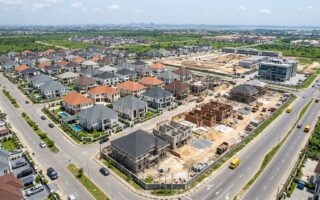
Buying a second-hand house in Nigeria can be a smart way to become a homeowner without waiting months or years for construction to be completed. You may find a property in an established neighbourhood with good road access, electricity, water, and nearby amenities. However, a house that looks beautiful during inspection may have hidden problems that could cost you millions of naira after purchase.
Fresh paint, attractive tiles, modern kitchen cabinets, and decorative ceilings can make an old property look new. Unfortunately, these cosmetic improvements may conceal serious structural defects, leaking pipes, faulty electrical wiring, roof damage, or even legal disputes over ownership.
Before paying for any second-hand house, you need to look beyond its appearance. This guide explains the hidden problems to watch for, how to identify warning signs, and the checks you should complete before committing your money.
1. Cracks in Walls, Columns, and Foundations
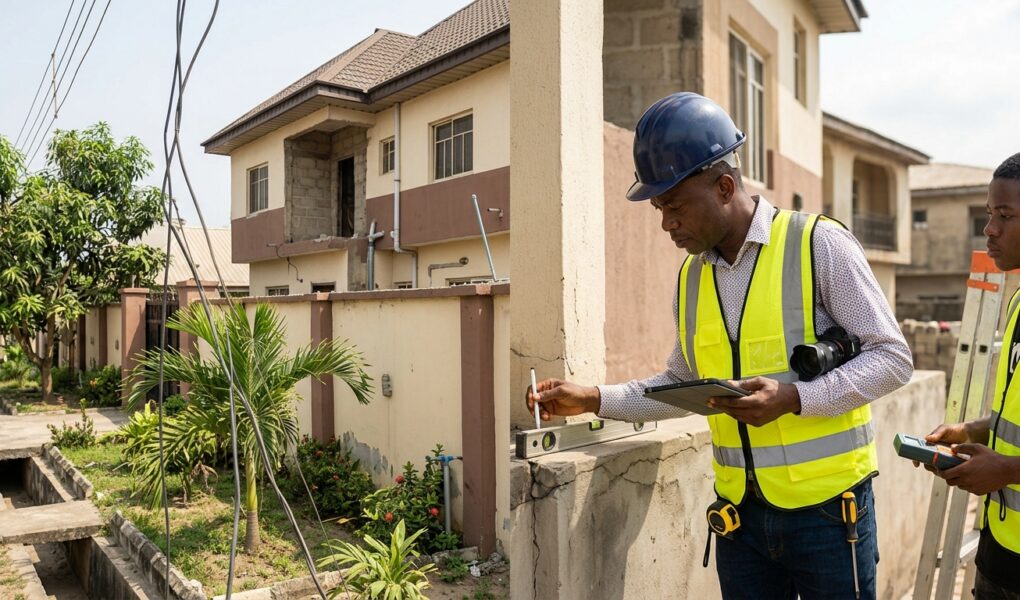
Cracks are among the most important warning signs when inspecting a second-hand house. While some minor cracks are caused by plaster shrinkage or ordinary settlement, others may indicate structural movement or foundation problems.
Pay close attention to cracks around windows and doors, cracks running diagonally across walls, cracks in concrete columns, and cracks that extend through several parts of the building.
Also check whether doors and windows are difficult to open or close. In some cases, this may indicate that parts of the structure have shifted.
What to do: Do not assume every crack is dangerous, but do not ignore it either. Ask a qualified structural engineer to inspect significant, widening, or recurring cracks before making a purchase.
2. A Leaking or Damaged Roof
Roof problems can remain unnoticed during a dry-season inspection. A seller may repaint the ceiling or replace a few visible roofing sheets without addressing the underlying damage.
Look for brown stains on ceilings, peeling paint, damp patches, mould, damaged roofing sheets, rusted metal components, and sagging ceiling boards.
If possible, inspect the roof space to check for daylight coming through gaps, damaged timber, rust, or signs of previous leaks.
In Nigeria, heavy rainfall can quickly reveal roofing weaknesses that were not obvious during a brief viewing.
What to do: Arrange a roof inspection, preferably after rainfall or with evidence from a recent rainy period. Obtain a repair estimate before negotiating the purchase price.
3. Hidden Dampness and Water Infiltration
Dampness can damage walls, ceilings, flooring, wooden fixtures, and electrical installations. It can also encourage mould growth and produce persistent unpleasant smells.
Check the lower sections of walls, corners of bedrooms, spaces behind wardrobes, areas under windows, and walls adjoining bathrooms or kitchens.
Be cautious if a room smells musty even when it looks freshly painted. Fresh paint can temporarily hide damp patches without solving the source of the moisture.
Dampness may result from leaking plumbing, poor drainage, damaged roof gutters, rising moisture, or water entering through external walls.
What to do: Identify the source of the moisture before agreeing to buy. Repainting alone is not a reliable solution to a dampness problem.
4. Faulty Electrical Wiring
Old or poorly installed electrical systems can create fire risks, damage appliances, and require expensive upgrades.
During inspection, look for exposed wires, broken sockets, loose switches, burnt marks around electrical outlets, flickering lights, and distribution boards that appear damaged or poorly maintained.
Be particularly cautious if the house has been renovated but the electrical wiring has not been upgraded. Attractive light fittings do not guarantee that the wiring behind the walls is safe.
What to do: Hire a qualified electrician to inspect the wiring, earthing, distribution board, circuit protection, and general electrical installation. Do not attempt to test exposed wiring yourself.
5. Leaking Water Pipes and Hidden Plumbing Problems
Plumbing problems can remain hidden behind tiled walls, under floors, or inside ceilings. A small leak may eventually damage walls, floors, cabinets, and nearby electrical fittings.
Turn on the taps and observe the water pressure. Flush the toilets, inspect under sinks, and check around bathroom fittings for signs of leakage.
Look for damp kitchen cabinets, water stains, loose tiles, unpleasant drainage smells, and unusually low water pressure.
If the property has an overhead tank, inspect its condition and check whether the plumbing system supplies the house properly.
What to do: Ask a plumber to check the visible pipework, water supply, drainage, toilets, and other accessible plumbing components. Investigate unexplained water stains before proceeding.
6. Poor Drainage and Flooding History
A house may look perfect during the dry season but become difficult to live in when heavy rain begins.
Inspect the surrounding streets, gutters, drainage channels, access roads, and the ground level around the property. Look for watermarks on external walls, eroded soil, blocked drains, and evidence that water collects near the building.
Ask neighbours whether the street or property experiences flooding during heavy rainfall. Their experiences can provide information that a seller may not volunteer.
Also consider whether the property sits in a low-lying area or whether nearby construction has changed the natural flow of water.
What to do: Visit the neighbourhood at different times and, if possible, during or shortly after rainfall. Investigate the area’s drainage and flood history before buying.
7. Termite Damage and Other Pest Problems
Termites and other pests can damage wooden doors, roof timber, cabinets, wardrobes, and other building components.
Check wooden surfaces for hollow sections, crumbling timber, small holes, mud tubes, discarded wings, and wood that breaks apart easily. Look carefully around skirting boards, door frames, roof spaces, and areas that remain damp.
Some pest damage may be hidden beneath paint or decorative coverings.
What to do: If you notice signs of infestation, arrange a pest inspection. Where structural timber is affected, ask a qualified professional to assess the extent of the damage and the cost of repairs.
8. Weak Doors, Windows, and Security Features
Doors and windows may appear attractive but still have functional or security problems.
Open and close each door and window. Check for loose hinges, damaged locks, broken handles, gaps around frames, rust, and difficulty locking or securing openings.
Inspect external doors, window bars, gates, and other security features. Also check whether rainwater enters through poorly sealed windows.
What to do: Make a list of damaged fittings and obtain repair or replacement estimates. Security upgrades should be included in your total ownership budget.
9. Poor Workmanship Behind Recent Renovations
A renovated house is not automatically a well-maintained house. Sometimes, sellers carry out quick repairs to make a property more attractive without resolving the underlying defects.
Warning signs include uneven tiles, poorly finished wall corners, loose fittings, doors that do not align, plumbing leaks beneath new cabinets, and fresh paint covering damp areas.
Be cautious when the house has undergone extensive renovation shortly before being advertised for sale, especially if the seller cannot explain the work completed.
What to do: Ask for details of major renovations, including roof replacement, electrical upgrades, plumbing work, waterproofing, and structural repairs. Where available, request invoices, warranties, and relevant approvals.
10. Weak or Damaged Floors
Flooring problems can indicate poor workmanship, moisture damage, settlement, or deterioration of the underlying structure.
Walk through every room and check for loose tiles, hollow sounds, uneven surfaces, cracked screed, soft wooden flooring, and sections that appear to slope unexpectedly.
Pay attention to floors near bathrooms, kitchens, balconies, and external doors because these areas may be exposed to moisture.
What to do: Ask a qualified building professional to investigate unexplained movement, significant unevenness, or recurring cracks before you buy.
11. Bathroom Waterproofing Problems
Bathrooms can hide costly defects because water may seep beneath tiles and damage adjoining rooms or lower floors.
Look for loose tiles, cracked grout, peeling paint on adjoining walls, damp ceilings below bathrooms, persistent drainage smells, and water pooling around shower areas.
A bathroom may look newly tiled while its waterproofing system is defective.
What to do: Test accessible taps and drains, inspect adjoining rooms, and ask a building professional to investigate signs of water penetration. Replacing tiles without fixing the underlying waterproofing problem may only provide a temporary solution.
12. Inadequate Ventilation and Persistent Mould
Poor ventilation can cause condensation, musty smells, and mould growth, particularly in bathrooms, kitchens, storage areas, and rooms with limited windows.
Inspect corners, ceilings, wardrobes, and spaces behind large furniture. Check whether windows open properly and whether bathrooms have adequate ventilation.
Mould can return even after cleaning if the underlying moisture and ventilation problems remain unresolved.
What to do: Identify the source of moisture and determine whether ventilation improvements or repairs are needed. If mould is extensive, seek a suitable professional assessment.
13. Unapproved Extensions and Structural Alterations
Some second-hand houses have been modified over the years. The owner may have added rooms, enclosed balconies, converted garages, or altered walls without appropriate professional assessment or approvals.
An alteration that looks harmless could affect ventilation, drainage, fire safety, or the structural integrity of the building.
Ask whether load-bearing walls have been removed or modified and whether additional floors or extensions have been constructed.
What to do: Request available building approvals and renovation records. Have a qualified structural engineer assess significant alterations, and confirm with the relevant planning authority whether the changes comply with applicable requirements.
14. Defective Septic Tanks and Wastewater Systems
In areas without a suitable public sewer connection, a house may depend on a septic tank or another on-site wastewater system.
A defective or poorly maintained system can produce unpleasant smells, slow drainage, wastewater overflow, and environmental or health concerns.
Check the area around the septic tank and soakaway for unusual wetness, persistent odours, overflowing wastewater, or damaged covers. Ask when the system was last inspected or serviced.
What to do: Arrange an inspection by a qualified professional. Confirm the system’s condition, accessibility for maintenance, and compliance with relevant local requirements.
15. Boundary Disputes and Encroachment
Not every hidden problem is inside the building. The property may have a boundary dispute with a neighbour or may occupy land beyond the legally established boundary.
Check for fences that appear to cross neighbouring plots, buildings close to boundary lines, disagreements about access roads, and inconsistencies between the seller’s description and the available survey plan.
A beautiful house can become a serious financial burden if part of the land is disputed.
What to do: Engage a registered surveyor to verify the property’s boundaries and compare them with the relevant survey documents. Investigate any discrepancies before making payment.
16. Unclear Ownership and Incomplete Property Documents
A second-hand house may have structural defects, but ownership problems can be even more expensive and difficult to resolve.
The person selling the property may not have the legal authority to do so. The house could belong to an estate, have multiple co-owners, be subject to a mortgage or other encumbrance, or form part of a family property dispute.
Do not rely solely on a deed of assignment, a survey plan, receipts, a family agreement, or the seller’s verbal assurances. The appropriate documents and verification process depend on the property’s location and title history.
What to do: Engage an independent property lawyer to investigate the seller’s authority, ownership history, title documents, relevant land registry records, encumbrances, and any necessary consent or registration requirements. Complete the appropriate checks before paying a substantial deposit.
17. Outstanding Bills, Levies, and Other Financial Obligations
A house may come with unpaid electricity bills, water charges, estate service fees, security levies, waste collection charges, or other outstanding obligations.
These liabilities can cause disputes after you take possession, especially in gated estates and managed developments.
Ask the seller for information about outstanding charges and confirm the position with the relevant utility providers, estate management, or other responsible parties.
What to do: Agree in writing who will settle outstanding obligations and when. Where possible, obtain evidence of payment or confirmation of the account position before completing the transaction.
18. Neighbourhood Problems That Affect Daily Living
A property can be structurally sound but still be unsuitable because of its surroundings.
Visit the area during the day and evening. Observe traffic, noise, security, road conditions, drainage, waste disposal, access to transport, and the availability of essential services.
Also investigate nearby commercial activities, industrial operations, religious or event venues, and proposed developments that could affect noise, traffic, privacy, or future resale value.
What to do: Speak with several neighbours rather than relying on the seller’s description. Consider how the location will affect your family, commute, maintenance costs, and long-term plans.
19. A History of Frequent Repairs
If the seller repeatedly repairs the same part of the house, the problem may not have been properly resolved.
Ask about previous roof leaks, plumbing failures, electrical faults, foundation repairs, flooding, and recurring cracks. Where possible, request supporting invoices, reports, and warranties.
Repeated cosmetic repairs can sometimes be more expensive in the long run than a single proper repair.
What to do: Ask direct questions about the house’s maintenance history and compare the answers with the evidence you observe during inspection. Have unexplained recurring defects independently assessed.
20. The True Cost of Repairs After Purchase
Even when the defects are not dangerous, their combined cost can turn an apparently affordable house into an expensive purchase.
For example, you might need to repair the roof, replace faulty wiring, fix plumbing, improve drainage, repaint damp walls, and replace damaged fittings shortly after moving in.
Prepare a repair budget before agreeing on the final price.
Use this simple calculation:
Total estimated ownership cost = Purchase price + Transaction costs + Immediate repairs + Planned upgrades
For illustration, if a house costs ₦45 million, transaction costs are ₦2 million, immediate repairs are estimated at ₦3 million, and planned upgrades will cost ₦1.5 million, the total initial outlay would be ₦51.5 million.
These figures are illustrative only, not a current market estimate.
Ask contractors to provide written quotations and allow for unexpected expenses. If the repairs are extensive, compare the total cost with the price of other suitable properties in the same area.
A Practical Inspection Checklist Before Buying a Second-Hand House
Use this checklist when inspecting a property:
- Inspect walls, columns, foundations, and visible cracks.
- Check the roof, ceiling boards, and signs of previous leaks.
- Look for dampness, mould, and water stains.
- Arrange a qualified electrical inspection.
- Test taps, toilets, drainage, and accessible plumbing.
- Investigate the neighbourhood’s drainage and flood history.
- Check for termite damage and other pest problems.
- Open and close doors, windows, gates, and locks.
- Inspect floors, tiles, bathrooms, and balconies.
- Ask about renovations, extensions, and previous major repairs.
- Check the septic tank or wastewater system where applicable.
- Verify boundaries and access rights with a registered surveyor.
- Have a property lawyer investigate ownership and title documents.
- Confirm outstanding bills, estate levies, and other obligations.
- Visit the neighbourhood at different times.
- Obtain written estimates for necessary repairs.
- Calculate the full cost of buying and making the house habitable.
Should You Hire a Professional Before Buying an Old House?
Yes. A professional inspection can help you identify defects that are difficult to recognise during an ordinary viewing.
Depending on the property, consider hiring:
- A qualified building surveyor or building professional: To assess the building’s condition and identify repair needs.
- A structural engineer: To investigate significant cracks, suspected structural movement, damaged columns, or major alterations.
- A qualified electrician: To assess electrical safety and identify wiring defects.
- A plumber: To investigate leaking pipes, drainage issues, and water supply problems.
- A registered surveyor: To verify the land boundaries and survey information.
- A property lawyer: To verify ownership, investigate title documents, and advise on the transaction.
Choose professionals who are independent of the seller and who will provide clear findings. For a significant purchase, the cost of independent checks is usually easier to plan for than the consequences of overlooking a serious defect.
When Should You Walk Away From a Second-Hand House?
Consider postponing the purchase or walking away if the seller refuses reasonable inspections, pressures you to pay before documents are verified, or cannot explain significant defects.
Other serious warning signs include suspected structural instability, major unresolved flooding problems, substantial unauthorised alterations, unresolved ownership disputes, and repair costs that make the purchase financially impractical.
Not every defect means you must reject the property. Some problems can be repaired or reflected in a negotiated price. The important thing is to understand the risks, establish the likely cost, and avoid making decisions under pressure.
If you decide to proceed despite known defects, document the agreed repairs, payment arrangements, and responsibilities in writing with advice from your lawyer.
Final Thoughts
Buying a second-hand house in Nigeria can save you time and provide access to an established neighbourhood, but a beautiful appearance should never replace proper inspection.
Hidden cracks, roof leaks, dampness, faulty wiring, plumbing problems, drainage issues, and unclear ownership can turn a promising property into a financial burden.
Before paying, inspect the building carefully, investigate its legal status, speak with neighbours, and obtain independent professional advice. Most importantly, calculate the purchase price together with transaction costs and necessary repairs.
The best second-hand house is not necessarily the one that looks the newest. It is the one whose condition, ownership, location, and total cost make sense for your budget and long-term plans.