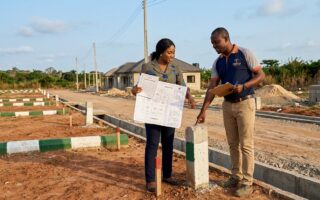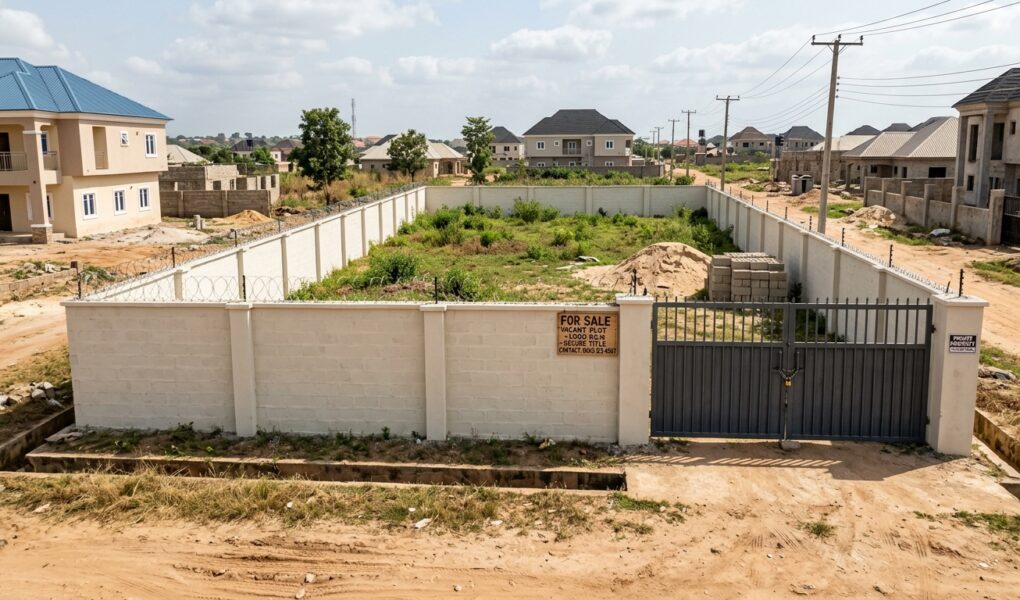
Buying land in Nigeria is a major financial achievement. Whether you purchased a plot in Lagos, Ibadan, Ogun State, Abuja or another growing area, protecting that investment should be one of your priorities after completing the purchase.
One question many new landowners ask is whether they should fence their land immediately or wait until they are ready to build.
The answer is simple: if you can afford it and have confirmed your boundaries, fencing your land early is often a wise decision. However, you do not necessarily need to construct an expensive block fence immediately. Your decision should depend on the location, security risks, budget and plans for the property.
Leaving land unattended for years can expose it to encroachment, boundary disputes and unauthorised occupation. At the same time, fencing without verifying the land documents and boundaries can create additional problems.
In this article, you will learn why fencing land after purchase matters, when you should do it, the alternatives available if you cannot afford a permanent fence, and the mistakes to avoid.
Why Should You Fence Your Land After Buying It?
Fencing serves several practical purposes beyond making a property look organised. Here are the main reasons to consider fencing your newly purchased land.
1. To Reduce the Risk of Land Encroachment
Land encroachment occurs when another person unlawfully occupies, uses or extends their activities onto your property.
For example, you might purchase a plot in a developing neighbourhood and leave it untouched for three years while saving money to build. During that period, a neighbour might extend a wall beyond their actual boundary, a farmer might begin cultivating part of the land, or someone might start using it for storage.
A clearly marked and properly fenced plot makes its boundaries more visible and can discourage these activities.
However, a fence does not guarantee that encroachment will never occur. Regular inspection and proper documentation remain important.
2. To Make Your Land Boundaries Clear
Boundary disagreements can become expensive when neighbouring landowners have different ideas about where their properties begin and end.
Fencing can help establish a visible boundary between your property and adjacent plots. This is particularly useful in developing areas where many plots remain vacant.
Before constructing the fence, engage a qualified surveyor to confirm the correct boundary positions using your survey plan and relevant measurements.
Never assume that an existing fence marks the correct boundary. A neighbouring wall may have been built in the wrong position, and copying it could put you at risk of a dispute.
3. To Discourage Unauthorised Use of Your Property
An unfenced plot may appear abandoned, especially when the owner lives in another town or outside Nigeria.
People may begin dumping refuse, parking vehicles, storing building materials or carrying out other activities on the land without permission.
A fence, gate or other suitable barrier can make unauthorised access more difficult.
If you cannot afford a permanent fence, consider a temporary boundary barrier and arrange regular inspections while planning a more durable solution.
4. To Protect Your Investment While You Save to Build
Many Nigerians buy land years before they have enough money to construct a house.
There is nothing wrong with purchasing land first and building later. In fact, this approach can help you secure a desirable location before property prices rise further.
The challenge is keeping the land identifiable and protected throughout the waiting period.
If you intend to hold the property for five or ten years, leaving it completely unattended may expose you to avoidable risks.
Fencing, visible boundary markers, occasional clearing and regular visits can form part of a practical land-protection strategy.
5. To Make Future Construction Easier
Fencing your land before construction begins can help you organise the site and control access.
It may make it easier to secure cement, blocks, iron rods and other building materials when construction eventually starts.
You can also plan the gate position, driveway and general site arrangement before the main building work begins.
However, consult your architect, surveyor or relevant building professional before fixing permanent boundaries or structures that might conflict with approved building plans, setbacks or access requirements.
6. To Make the Property Easier to Monitor
When you visit an enclosed plot, it may be easier to notice signs of unauthorised entry, damage or changes around the boundary.
You can also install an appropriate gate or arrange for a caretaker to monitor the property if necessary.
This is especially useful for owners who live far away from their investment.
Nevertheless, fencing does not replace physical inspections. A locked gate can still conceal problems if nobody checks the property for years.
Is It Compulsory to Fence Land Immediately After Purchase?
In general, buying land does not automatically mean you must construct a permanent fence immediately. Whether particular fencing or boundary requirements apply depends on the location, applicable planning rules and the circumstances of the property.
The more important question is whether delaying the fence creates an unacceptable security risk.
Consider fencing early if:
- The property is in a busy or rapidly developing neighbourhood.
- Nearby construction is taking place.
- There is a history of land encroachment in the area.
- You intend to leave the land unused for several years.
- The land is far from your residence and difficult to monitor.
- You have sufficient funds to fence without sacrificing more urgent financial obligations.
You might reasonably delay permanent fencing if the area is secure, the boundaries are well marked, the property is regularly monitored and your budget is limited.
The key is to have a protection plan rather than simply buying land and forgetting about it.
Should You Fence Your Land Before Building a House?
Yes, fencing before building can be a sensible option, provided the property boundaries and relevant requirements have been confirmed.
You do not have to wait until the main building is complete before thinking about security.
For instance, imagine you buy a 500-square-metre plot in Ibadan and intend to build in two years. You could first verify the survey, confirm the boundaries, clear the site and construct a suitable perimeter fence if your finances permit.
When construction begins, the fence can help control access and protect materials.
However, there is no universal rule that every buyer should build a full fence before starting a house. Some owners may benefit from a temporary barrier during early construction and complete the permanent fence later.
Your decision should consider the design, site conditions, construction sequence and overall budget.
What If You Cannot Afford to Fence Your Land Immediately?
Do not assume that your only options are to build an expensive block fence now or leave the land completely unprotected.
There are several practical alternatives.
1. Mark the Boundaries Properly
Ask a qualified surveyor to identify the plot boundaries and confirm the positions of the survey beacons.
Visible, correctly positioned markers help you identify your property and communicate its boundaries to neighbours.
Do not move, remove or install beacons based on guesswork.
2. Clear the Land Periodically
Bushes and overgrown vegetation can make vacant land look abandoned and conceal boundary markers.
Arrange periodic clearing where appropriate. This can also make it easier to inspect the plot and notice suspicious activities.
Clearing alone is not a guarantee of security, but it is a useful maintenance measure.
3. Arrange Regular Inspections
Visit the land periodically or ask a reliable person to inspect it on your behalf.
During each visit, check for new structures, dumped materials, damaged boundary markers and signs that someone has begun using the property without permission.
If you live outside Nigeria, use a trusted representative and request dated photographs or videos of the actual site.
4. Consider Temporary Fencing
Depending on local rules and site conditions, a suitable temporary barrier may provide a more affordable short-term option.
The materials and design should be appropriate for the location and should not obstruct public access, encroach on neighbouring land or create a safety hazard.
Temporary fencing can serve as an interim measure while you save for a permanent structure.
5. Keep Your Documents Safe
Keep your purchase receipt, deed of assignment, survey plan and other relevant title documents organised and secure.
Have the documents reviewed and the land status independently verified through the appropriate channels.
Remember that a fence is a physical barrier, not a substitute for valid ownership documents.
How Much Does It Cost to Fence Land in Nigeria?
The cost depends on several factors, including the size of the plot, the perimeter length, the price of blocks and cement, labour charges, soil conditions, the type of foundation, the number of gates and the fence design.
A standard rectangular plot of 500 square metres could have a perimeter of approximately 90 metres if its dimensions are 20 metres by 25 metres. The actual boundary length will vary with the shape and dimensions of the land.
Your total cost may include:
- Site clearing and preparation.
- Survey and boundary confirmation where needed.
- Foundation excavation and concrete work.
- Blocks, cement, sand and other building materials.
- Masonry labour.
- Pillars, reinforcement and other structural components.
- Gate fabrication and installation.
- Finishing, transport and unexpected expenses.
For a realistic estimate, ask a qualified builder or quantity surveyor to inspect the site and prepare a bill of quantities based on your preferred design.
Do not rely on a single nationwide price estimate. Construction costs can vary considerably between locations and change over time.
Before spending money, compare the cost of a permanent fence with the risk of leaving the land unsecured.
Five Mistakes to Avoid When Fencing Your Land
Mistake 1: Fencing Before Verifying Ownership
A person can spend substantial money fencing land only to discover that the seller did not have the right to sell it or that the property is subject to a competing claim.
Verify the seller’s authority and investigate the title through the appropriate channels before committing to major construction.
In Lagos, for example, relevant checks may involve the Land Registry and the Surveyor-General’s office. The precise process depends on the property and the applicable rules.
Mistake 2: Building on the Wrong Boundary
A fence constructed beyond your actual boundary can encroach on another person’s land and lead to a dispute.
Use the survey plan and obtain professional confirmation of the boundary before construction begins.
Do not rely solely on verbal instructions from a land agent or a neighbour.
Mistake 3: Spending Your Entire Budget on Fencing
Buying land and fencing it are not the only financial responsibilities you may have.
You might still need to pay professional fees, complete title documentation, clear the property, maintain an emergency fund or save for construction.
Avoid borrowing heavily or exhausting your available savings simply to build an impressive fence.
Choose a level of protection that fits your finances and the risks associated with the property.
Mistake 4: Ignoring Local Requirements
Some locations may have planning, setback, access or other requirements that affect fencing.
Check with the relevant local planning authority or qualified professional before beginning work, particularly if the land is in an estate or a regulated development.
Mistake 5: Assuming a Fence Makes Further Monitoring Unnecessary
A fence can be damaged, breached or altered. Disputes can also arise despite visible boundaries.
Inspect the land regularly and keep records of your visits, photographs and any maintenance work.
If you discover an unauthorised structure or a competing ownership claim, document the situation and seek legal advice before taking action that could escalate the dispute.
What Should You Do Immediately After Buying Land in Nigeria?
Fencing is important, but it should be part of a broader process for protecting your investment.
Here is a practical checklist to follow after completing a purchase.
- Collect your documents. Obtain the relevant purchase receipt, deed and other documents connected with the transaction.
- Verify the title. Have an independent property lawyer investigate the ownership history, the seller’s authority and any relevant restrictions or competing claims.
- Confirm the survey. Use a qualified surveyor to check the plot’s location, dimensions and boundaries, including relevant government acquisition or planning issues.
- Inspect the property. Visit the land and check for existing occupants, structures, disputes and signs of encroachment.
- Speak with neighbouring owners. Where appropriate, make reasonable enquiries about the property’s boundaries and any known disputes. Do not treat informal assurances as a replacement for verification.
- Choose a security plan. Decide whether you need a permanent fence, temporary barrier, regular clearing or another suitable arrangement.
- Budget for construction. Obtain professional estimates and avoid beginning work until the boundaries and relevant requirements are clear.
- Maintain regular oversight. Schedule visits and retain records of the property’s condition.
These steps can help you avoid spending money on a physical structure before discovering a more serious problem with the land itself.
Is Fencing Land a Good Investment?
Fencing can be a worthwhile investment when it reduces exposure to trespassing, helps define boundaries and supports future development.
However, its financial value depends on the circumstances.
If you intend to sell the land soon, the additional expense may not necessarily be recovered in the selling price. If you plan to build within a few months, you may prefer to coordinate fencing with the construction schedule.
For a plot you intend to hold for many years, the benefits of improved access control and easier monitoring may justify the cost.
Think of fencing as one part of property protection rather than a guaranteed way to increase the value of your investment.
Most importantly, do not spend heavily on fencing land whose ownership status remains uncertain.
Frequently Asked Questions
1. How soon should I fence my land after buying it?
There is no single deadline that applies to every property. Where encroachment risks are high and your boundaries have been confirmed, arranging suitable fencing as soon as reasonably practical may be wise.
2. Can someone take my land if I do not fence it?
Leaving land unfenced does not automatically transfer ownership to another person. However, an unattended plot may be more vulnerable to unauthorised occupation, encroachment and disputes. The legal consequences depend on the circumstances and applicable law.
3. Does fencing prove that I legally own the land?
No. A fence can help demonstrate physical possession or control, but it does not by itself establish valid legal title. Ownership documents, the seller’s authority, the land’s history and other relevant evidence matter.
4. Should I fence land I bought for future investment?
Consider fencing if the property will remain vacant for a long time, particularly where there are security concerns or active development nearby. Compare the cost with the risk and arrange regular inspections even after fencing.
5. Can I use wire instead of a block fence?
A suitable wire or temporary barrier may provide a lower-cost alternative in some circumstances. Check local requirements and ensure that the barrier is safe, correctly positioned and suitable for the property’s location.
6. Should I fence land before completing all my documentation?
Prioritise resolving important ownership and boundary questions before investing in permanent construction. If documentation or title perfection remains outstanding, consult your lawyer about what has been completed, what remains necessary and whether any immediate protective measures are appropriate.
Final Thoughts: Should You Fence Your Land Immediately After Buying It?
For many Nigerian landowners, fencing early is a sensible precaution, but it should not come before verifying ownership and boundaries.
If you have purchased land and intend to leave it vacant for several years, do not ignore it. Confirm the boundaries, secure your documents, consider the risks in the neighbourhood and choose a suitable protection plan.
If you cannot afford a permanent fence immediately, begin with practical measures such as clearing the site, maintaining visible boundary markers and arranging regular inspections.
Above all, remember that buying land is only the beginning of responsible property ownership. Protecting it requires proper documentation, informed decisions and consistent attention.
A strong fence may help protect the land physically, but a properly investigated title is essential to protecting your investment legally.