Buying land in Nigeria can be a valuable step toward building a home or creating long-term wealth. However, one of the most important decisions you will make is choosing between a developing area and an established neighbourhood.
A plot in a developing area may be more affordable and offer opportunities for future appreciation. On the other hand, land in an established neighbourhood may provide better infrastructure, easier access to essential services, and a more predictable environment for building or investment.
Neither option is automatically better. The right choice depends on your budget, purpose, financial situation, and willingness to wait for an area to develop.
For example, buying land on the outskirts of Lagos may offer a different opportunity from purchasing a plot in an established neighbourhood in Ibadan, Abuja, or another Nigerian city.
In this guide, we will compare the advantages and disadvantages of buying land in developing and established areas in Nigeria, helping you decide which option makes more sense for your needs.
1. Understand the Difference Between Developing and Established Areas
Before deciding where to buy land, it is important to understand what separates a developing area from an established neighbourhood.
What Is a Developing Area?
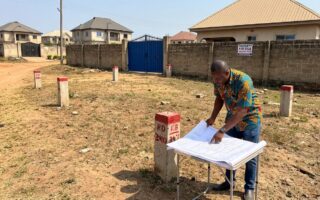
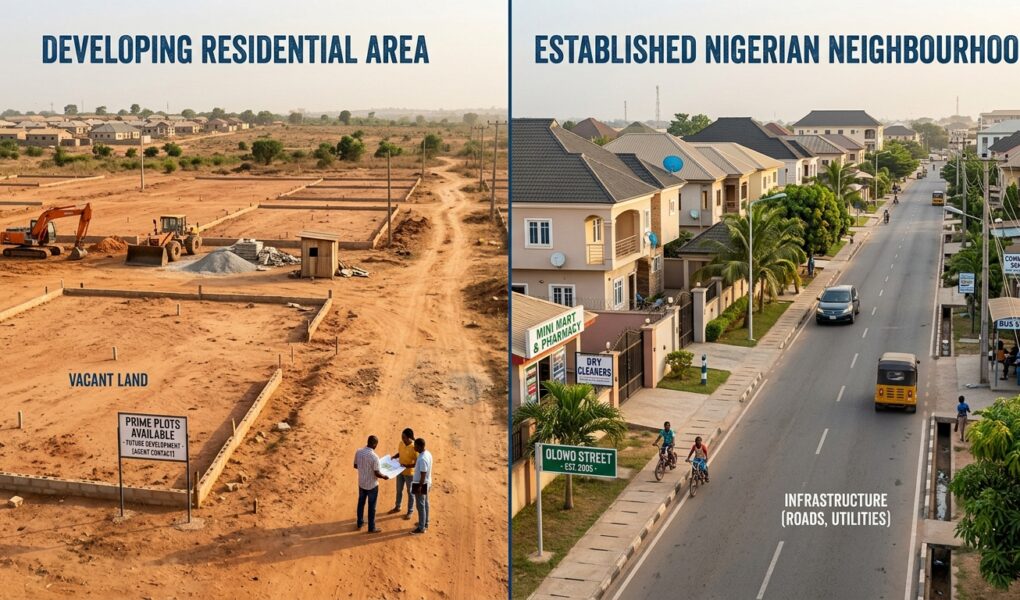
A developing area is a location where residential, commercial, or infrastructure development is still progressing.
Such areas may have newly created estates, partially completed roads, undeveloped plots, and relatively few completed buildings. Electricity, drainage, public transport, and other essential services may be limited or still improving.
Developing areas are often found on the outskirts of major cities or in expanding communities where demand for land is gradually increasing.
However, not every undeveloped location is a promising investment. Some areas remain underdeveloped for many years because of poor accessibility, weak demand, planning restrictions, or a lack of infrastructure.
What Is an Established Neighbourhood?
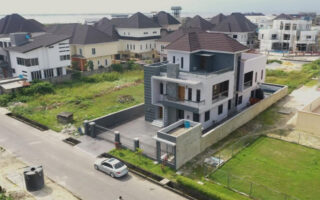
An established neighbourhood is an area where residential or commercial development is already well advanced.
These locations generally have more completed buildings, established road networks, functioning businesses, schools, healthcare facilities, and other essential services.
Established neighbourhoods may be more expensive because buyers are paying for existing infrastructure, convenience, accessibility, and the benefits of living in a developed community.
However, an established location can still be overpriced or unsuitable for a particular buyer. Its reputation alone does not guarantee that a plot is worth the asking price.
2. Compare the Purchase Prices
One of the biggest differences between developing and established areas is the initial cost of buying land.
Developing areas often offer lower entry prices, making them attractive to buyers who have limited funds or want to acquire land before a neighbourhood becomes more developed.
Established neighbourhoods typically command higher prices because demand, infrastructure, and access to essential services may already be stronger.
Consider this illustrative comparison:
| Factor | Developing Area | Established Neighbourhood |
|---|---|---|
| Asking price | ₦5 million | ₦15 million |
| Initial affordability | Generally higher | Generally lower |
| Infrastructure | May be incomplete | More likely to be available |
| Time before building | May require waiting or extra work | May be easier to build sooner |
| Investment uncertainty | Potentially higher | Often lower in infrastructure terms |
| Potential for appreciation | Depends on future growth | Depends on current value and future demand |
These figures are examples only and do not represent current market prices in any particular Nigerian location.
The important lesson is that a lower purchase price does not always mean a better deal.
If a cheap plot requires substantial spending on access roads, drainage, filling, or other site preparation, the total cost may approach or even exceed that of a more developed location.
Before making a decision, compare the full cost of acquiring and preparing each plot.
3. Consider the Potential for Future Appreciation
Many buyers choose developing areas because they hope their land will increase in value as the neighbourhood grows.
This strategy can work when an area experiences genuine economic growth, infrastructure improvements, and increasing demand for housing or commercial property.
For example, a community may become more attractive when roads improve, new businesses open, more people move into the area, and residential developments begin to expand.
However, future appreciation is never guaranteed.
Some developing areas experience rapid growth, while others remain largely undeveloped for years. A road project may be delayed, a proposed commercial centre may never be built, or demand may fail to reach the level that sellers anticipated.
Established neighbourhoods can also appreciate. Their existing infrastructure, accessibility, and limited availability of suitable plots may support continued demand.
The difference is that a buyer in a developing area may be relying more heavily on future improvements, while a buyer in an established neighbourhood is paying for more of the area’s existing advantages.
Before buying, investigate actual market activity rather than relying entirely on promises from estate agents or land sellers.
4. Evaluate Infrastructure and Accessibility
Infrastructure can make a major difference to the value and usefulness of land.
A plot may be inexpensive, but if reaching it requires a long journey on a poor road, you should consider how that affects your plans.
If you intend to build a house and live there, ask yourself whether you would be comfortable travelling to work, taking children to school, visiting hospitals, and accessing shops from that location.
For a developing area, investigate:
- The condition of access roads during the rainy season.
- The availability and reliability of electricity.
- Drainage and the risk of flooding.
- Access to public transport.
- Proximity to schools, hospitals, markets, and workplaces.
- The availability of water and other essential services.
For an established neighbourhood, confirm that the existing infrastructure is adequate and properly maintained. Older neighbourhoods can also experience drainage problems, traffic congestion, deteriorating roads, or unreliable utilities.
Do not simply assume that an established area has excellent infrastructure or that a developing area has none. Visit the specific location and assess its actual condition.
5. Think About When You Want to Build
Your intended building timeline should influence where you buy land.
If you want to start building within the next few months, an established neighbourhood may be more suitable, particularly if the plot has good access, adequate drainage, and the necessary planning approvals.
You may be able to move directly into design, approvals, and construction without waiting for major improvements to the surrounding area.
In a developing location, you might need to spend additional time and money preparing the land, improving access, or arranging essential services.
However, development readiness must be checked on an individual basis. Some developing estates are fully serviced and ready for construction, while some plots in established neighbourhoods have significant physical or legal problems.
Before buying, determine whether the property is suitable for your intended building project and whether the relevant approvals can be obtained.
If you are buying land now but do not intend to build for another five or ten years, a developing area may deserve consideration, provided the title is secure, the price is reasonable, and the investment risk is acceptable to you.
6. Consider Your Personal Safety and Comfort
The quality of the surrounding environment matters, especially if you intend to build a family home.
Some developing areas have few occupied houses, limited street lighting, and fewer nearby services. Depending on the location, these conditions may affect security, convenience, and the experience of living there.
Established neighbourhoods may offer more occupied homes, active streets, and existing community networks. However, security conditions differ significantly from one neighbourhood to another.
Before buying, visit the location at different times of the day and speak with residents.
Find out whether people live there throughout the year, whether roads remain accessible after rainfall, and whether there are any recurring security or environmental concerns.
If you are buying for your family, consider not only the future value of the land but also whether the location will support the lifestyle you want.
7. Examine the Risks of Buying in a Developing Area
Developing areas can offer opportunities, but buyers should understand the risks before committing their money.
Delayed Infrastructure
A seller may promise that roads, electricity, drainage, or other facilities will be completed within a short period. These improvements may take much longer than expected or may not happen at all.
Slow Demand
An area may have many plots for sale but few genuine buyers. If demand remains weak, selling the land later may be difficult.
Speculative Pricing
Some sellers increase their asking prices based on anticipated development rather than evidence of actual market demand.
Additional Development Costs
You may need to spend money on site preparation, drainage, road access, or other improvements before construction can begin.
Land Ownership Problems
Developing locations are not immune to land disputes, double sales, fraudulent documentation, or government acquisition issues.
Never assume that land is safe to buy simply because an estate agent claims that the area is the next major investment destination.
Verify ownership, investigate the property, and assess the risks independently.
8. Examine the Risks of Buying in an Established Neighbourhood
Established neighbourhoods have their own disadvantages.
Higher Initial Cost
The price of land may consume a substantial portion of your savings, leaving less money available for construction or other financial obligations.
Limited Room for Rapid Appreciation
Some established neighbourhoods are already expensive, meaning future price increases may be more moderate than buyers expect. This is not guaranteed, but it is a risk worth considering.
Congestion and Overdevelopment
A developed neighbourhood may have heavy traffic, overcrowding, noise, or insufficient drainage.
Hidden Property Problems
Older areas can contain plots with unclear boundaries, disputed ownership, access restrictions, or planning limitations.
Lower Investment Flexibility
If you spend most of your available funds acquiring expensive land, you may have less flexibility to respond to emergencies or take advantage of other opportunities.
Before purchasing, establish whether the asking price is justified by the location’s actual benefits and comparable property values.
9. Calculate the Total Cost, Not Just the Land Price
A common mistake is to choose a plot solely because its advertised price is lower.
Imagine you are comparing two plots.
Plot A: Developing Area
- Purchase price: ₦5 million.
- Estimated site preparation and access improvements: ₦2 million.
- Other acquisition expenses: ₦300,000.
- Estimated total: ₦7.3 million.
Plot B: Established Neighbourhood
- Purchase price: ₦7 million.
- Estimated site preparation: ₦500,000.
- Other acquisition expenses: ₦300,000.
- Estimated total: ₦7.8 million.
In this hypothetical example, the difference in total cost is only ₦500,000.
If Plot B has better accessibility, existing services, and fewer preparation requirements, paying the additional amount might make sense. However, the final decision should also account for title security, flood risk, planning restrictions, and your intended use.
The figures are illustrative, not current market quotations. Obtain independent estimates before making your decision.
10. Verify Ownership Before Buying in Either Location
Whether you choose a developing area or an established neighbourhood, ownership verification is essential.
Do not pay for land simply because it is advertised by an estate agent, displayed on social media, or presented as part of a popular estate development.
Before committing your money:
- Confirm the seller’s identity and authority to sell.
- Investigate the history of ownership.
- Engage a property lawyer to conduct appropriate title searches.
- Have a licensed surveyor verify the plot’s identity and boundaries.
- Check for government acquisition, planning restrictions, and competing claims.
- Review the sale agreement before paying.
- Keep records of all payments and signed documents.
The documents required will depend on the land’s ownership history and the applicable state laws.
A plot in a developing area with a valid, verifiable title may be a better purchase than an expensive plot in an established neighbourhood with unresolved ownership problems.
Never allow the attractiveness of a location to replace proper legal due diligence.
11. Which Option Is Better for Real Estate Investment?
If you are buying land primarily to make a profit, your decision should be based on your investment strategy.
Buying in a Developing Area
This may suit you if:
- You have a long investment horizon.
- You can afford to leave your money invested for several years.
- You have researched the area’s growth prospects.
- You can tolerate uncertainty and slower-than-expected appreciation.
- The purchase price is supported by evidence and the land has a secure title.
Your potential return may depend heavily on future development and demand.
Buying in an Established Neighbourhood
This may suit you if:
- You prefer an area with existing infrastructure.
- You want to build or develop the property sooner.
- You want to buy in a location with established residential or commercial activity.
- You can afford the higher purchase price without creating financial pressure.
- You have identified genuine demand for the type of property you intend to develop or sell.
However, an established location is not automatically a profitable investment. Paying too much for land can reduce your potential returns regardless of how attractive the neighbourhood appears.
Always compare the purchase price with market evidence and realistic expectations about future demand.
12. Which Option Is Better for Building Your Family Home?
If your primary goal is to build a house for your family, the decision should involve more than investment returns.
Think about where you want to live, how you will travel, and how the location will affect your household over time.
An established neighbourhood may be preferable if you want easier access to schools, hospitals, workplaces, shops, and public transport.
A developing area may be more suitable if it offers enough space, a manageable purchase price, acceptable access, and the potential to provide the environment you want in the future.
However, avoid buying remote land solely because it is cheap if you would not realistically want to live there or cannot afford the additional infrastructure costs.
Consider the cost of commuting, the availability of services, and whether your family can comfortably live in the area while it develops.
The best plot is not necessarily the one with the lowest price or the most impressive investment story. It is the one that fits your plans and financial capacity.
13. A Practical Checklist Before Making Your Decision
Before buying land in either type of neighbourhood, ask yourself the following questions:
- Is the asking price reasonable compared with similar plots?
- Can I verify the seller’s ownership and authority to sell?
- Is the plot free from known competing claims and relevant restrictions?
- Are the roads accessible throughout the year?
- Is the land affected by flooding or expensive site preparation?
- Are essential services available or realistically achievable?
- Can I afford the full acquisition cost without exhausting my savings?
- If I am investing, is there evidence of genuine demand?
- If I am building, can I obtain the necessary approvals?
- Would I still be satisfied with this purchase if prices did not rise as quickly as expected?
If you cannot answer these questions confidently, take more time to investigate before paying.
Conclusion
Choosing between a developing area and an established neighbourhood depends on what you want to achieve with your land purchase.
Developing areas may offer lower entry prices and opportunities for future appreciation, but they can involve greater uncertainty, infrastructure costs, and longer waiting periods.
Established neighbourhoods may offer better accessibility, existing services, and greater convenience, but their higher prices can put pressure on your budget and limit your potential returns.
Neither option guarantees a profitable investment.
Before making a decision, investigate the location, compare market prices, calculate the total cost, and verify the land’s ownership. Most importantly, choose a plot that suits your intended use and financial circumstances rather than buying simply because someone promises that the area will become expensive in the future.
The smartest land purchase is not necessarily in the cheapest or most expensive neighbourhood. It is the one you can afford, legally verify, use effectively, and hold with confidence.
Disclaimer: This article provides general information for prospective property buyers in Nigeria. It is not financial or legal advice. Consult qualified property professionals before making a purchase.