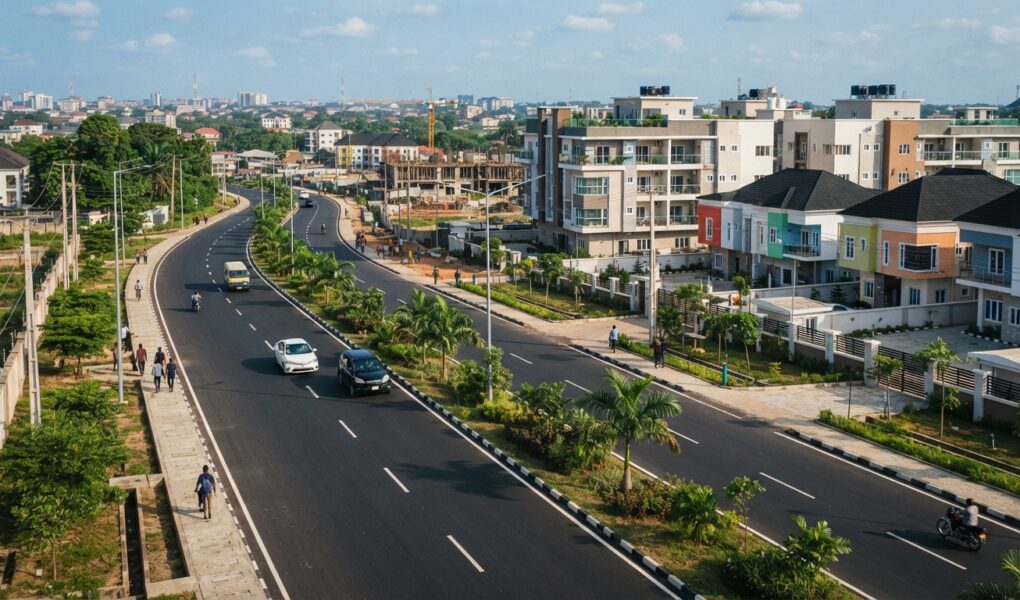
New roads and transportation infrastructure can significantly influence the rental demand of residential properties in nearby communities. When a road is constructed, expanded, or upgraded, it can change how easily residents travel to work, schools, shopping centres, hospitals, and other essential destinations. These improvements can make previously less accessible neighbourhoods more attractive to renters, potentially increasing demand for housing and influencing rental prices.
However, the effect of new roads on rental properties is not always positive. While improved accessibility can attract new residents and businesses, excessive traffic, noise, pollution, and safety concerns may reduce the appeal of homes located too close to busy roads.
Understanding how road development affects rental demand can help landlords, property investors, developers, and prospective tenants make better real estate decisions.
1. Improved Accessibility Can Attract More Tenants
One of the most important benefits of new roads is improved accessibility. Residents generally prefer locations that allow them to travel conveniently without spending excessive time or money commuting.
When a new road connects a residential neighbourhood to major commercial areas, workplaces, educational institutions, or other important destinations, the area may become more attractive to tenants.
For example, a neighbourhood that previously required residents to travel through congested streets may become easier to reach after the construction of an alternative route or expressway.
This improved connectivity can attract workers seeking shorter commuting times, students attending nearby schools, business owners looking for convenient residential locations, families who want easier access to essential services, and professionals who regularly travel between different parts of a city.
As accessibility improves, more people may begin considering properties in the area, increasing the pool of potential tenants.
2. Rental Demand May Increase in Previously Undervalued Neighbourhoods
New roads can change the perception of neighbourhoods that were previously considered inconvenient or poorly connected.
Before infrastructure improvements, some residential areas may experience low rental demand because residents find it difficult to commute, access public transportation, or reach essential services.
A new road can gradually change this situation by making the neighbourhood more accessible and attractive.
Property investors may begin paying attention to these locations, while renters who previously overlooked them may reconsider their options.
This increased interest can create opportunities for landlords to attract tenants more easily, reduce vacancy periods, and potentially achieve better rental income.
Neighbourhoods located along developing transportation corridors may experience these changes particularly strongly when road construction is accompanied by commercial development and other infrastructure improvements.
3. Rental Prices May Rise as Demand Increases
When a new road makes a residential area more desirable, rental prices may gradually increase.
Landlords may benefit from higher rental income if the number of people looking for accommodation grows faster than the supply of available rental properties.
For example, if a neighbourhood becomes significantly more accessible to workers in a nearby business district, more people may want to rent homes there. If housing supply remains limited, competition among tenants could push rental prices upward.
However, rental price increases are not automatic.
The extent of any increase depends on several factors, including the quality and usefulness of the new road, the distance between the neighbourhood and major employment centres, the existing supply of rental properties, local economic conditions, population growth, the availability of public transportation, and the overall quality of the neighbourhood.
Investors should therefore avoid assuming that every road construction project will immediately increase rental income.
4. Businesses and Commercial Activities May Expand
Road development can encourage businesses to establish operations in previously less accessible locations.
Improved transportation may make it easier for customers, suppliers, employees, and delivery vehicles to reach commercial areas.
As businesses expand, they may create employment opportunities that attract workers from other neighbourhoods or towns.
This can increase demand for nearby residential properties, particularly apartments, modest family homes, and accommodation suitable for workers.
New commercial activities may also create demand for rental housing from people who want to live close to their workplaces.
For property investors, the emergence of commercial activity following road construction can be an important indicator of future residential rental demand.
5. Properties Along New Transportation Routes May Become More Attractive
The location of a property relative to a new road can influence its rental appeal.
Homes located within a reasonable distance of the road may benefit from easier transportation access without experiencing the full effects of traffic noise and pollution.
Properties situated along connecting streets or within residential estates near major roads may particularly benefit because residents can access the transportation network conveniently while enjoying a quieter living environment.
This balance between accessibility and residential comfort is important.
Tenants may prefer homes that are close enough to major roads for convenient commuting but sufficiently removed from heavy traffic to maintain privacy, safety, and peaceful surroundings.
6. Increased Traffic Can Reduce Rental Appeal for Some Properties
Although new roads may improve accessibility, they can also introduce negative effects.
Properties located directly beside busy roads may experience increased traffic noise, dust and air pollution, reduced privacy, greater pedestrian and vehicle safety concerns, difficulty entering or leaving the property, and more frequent disturbances from commercial vehicles.
These problems may discourage some tenants, especially families with young children, elderly residents, and people who value quiet living environments.
As a result, properties immediately adjacent to heavily trafficked roads may not experience the same rental benefits as properties located a short distance away.
In some situations, a new road could improve the rental prospects of an entire neighbourhood while reducing the attractiveness of certain individual properties along its busiest sections.
7. Public Transportation May Become More Accessible
Road improvements can also support the expansion or improvement of public transportation services.
When roads become more reliable and accessible, buses, taxis, minibuses, and other transportation providers may find it easier to operate within surrounding communities.
This can benefit tenants who do not own private vehicles.
Improved transportation options can make residential properties more attractive to students, workers, young professionals, and low- or middle-income households that depend on public transportation for daily activities.
For landlords, properties located near reliable transportation routes may have a broader potential tenant market.
8. New Roads Can Encourage Residential Development
Road construction may stimulate additional housing development in surrounding areas.
Developers may become more willing to build residential estates, apartment complexes, or housing projects when transportation infrastructure improves.
This can increase the number of available rental properties and attract new residents into the neighbourhood.
While increased development can support long-term growth, it may also create competition among landlords.
If the supply of rental accommodation grows faster than tenant demand, rental prices may remain stable or decline despite improved roads.
Investors should therefore consider both the potential growth in demand and the possibility of increased housing supply.
9. Road Projects Can Influence Tenant Preferences
A new road may change the types of tenants interested in a neighbourhood.
Before construction, an area may mainly attract residents who work locally or have personal connections to the community.
After transportation improvements, the neighbourhood may attract people working in distant commercial centres, industrial zones, educational institutions, or other cities.
This can gradually change the rental market.
Landlords may notice increased demand for different property types, including one-bedroom apartments for single professionals, two-bedroom apartments for small families, affordable housing for commuting workers, larger homes for families seeking improved accessibility, and short-term accommodation for business travellers in strategically located areas.
Understanding these changes can help landlords adapt their properties to the needs of emerging tenant groups.
10. The Timing of Road Construction Matters
The rental impact of a new road may not happen immediately.
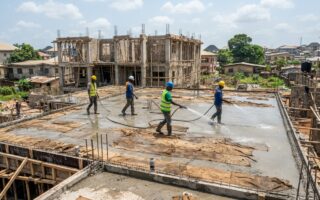
During construction, nearby residents may experience traffic diversions, dust, noise, and other inconveniences. These temporary disruptions could reduce the appeal of some properties.
Once the road is completed and begins delivering transportation benefits, rental demand may gradually improve.
In some cases, property prices and investor interest may begin increasing even before construction is completed because people anticipate future improvements.
However, investors should be cautious about relying entirely on future infrastructure projects. Road projects may experience delays, changes in design, funding problems, or cancellation.
It is important to verify the project’s status and understand whether the expected benefits are realistic before making investment decisions.
11. How Landlords Can Benefit From Road Development
Property owners can take several practical steps to benefit from transportation improvements in their neighbourhoods.
Monitor Infrastructure Development
Stay informed about planned road construction, road expansion, bridge projects, transport corridors, and other public infrastructure developments that may affect the property’s location.
Improve Property Accessibility
Ensure that tenants can conveniently access the property from nearby roads. Proper driveways, walkways, parking spaces, and security arrangements can improve the property’s appeal.
Maintain the Property’s Environment
Properties located near busy roads may require more frequent cleaning, landscaping, repainting, and maintenance to manage dust and environmental exposure.
Understand Changing Tenant Needs
As a neighbourhood becomes more accessible, its tenant population may change. Landlords should consider whether their property features, rental prices, and services meet the expectations of potential new tenants.
Avoid Unrealistic Rental Increases
Improved roads do not automatically justify excessive rent increases. Landlords should compare their properties with similar rental homes in the area and consider affordability, property quality, and actual tenant demand.
12. What Property Investors Should Evaluate Before Buying
Investors considering residential properties near newly constructed or proposed roads should evaluate the development carefully.
Important questions include:
- Is the road project officially approved and funded?
- When is construction expected to begin and end?
- Which neighbourhoods will benefit most from the road?
- Will the road improve access to major employment centres?
- Are commercial developments expected nearby?
- Will public transportation services improve?
- Could the road create excessive noise or pollution?
- Is the neighbourhood already experiencing population growth?
- Is there sufficient rental demand to support new housing?
- Are other residential developments likely to create competition?
Answering these questions can help investors distinguish between genuine rental opportunities and properties whose expected benefits may be exaggerated.
Conclusion
New roads can significantly influence the rental demand of nearby residential properties by improving accessibility, reducing commuting difficulties, encouraging business development, and attracting new residents.
Neighbourhoods that were previously difficult to access may become more desirable, creating opportunities for landlords to reduce vacancy periods and potentially increase rental income.
However, the benefits are not equally distributed. Properties located too close to busy roads may experience noise, pollution, safety concerns, and reduced residential comfort. Additionally, increased housing development may create competition that limits rental price growth.
For landlords and property investors, the key is to understand how a road project changes the accessibility, convenience, economic activity, and overall living conditions of the surrounding neighbourhood rather than assuming that every new road automatically increases property value or rental demand.
A well-planned investment near a developing transportation corridor can offer long-term opportunities, particularly when road improvements are supported by employment growth, commercial development, and increasing demand for residential accommodation.