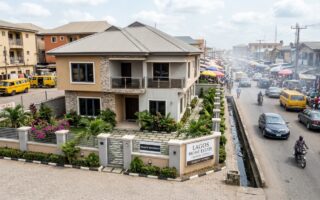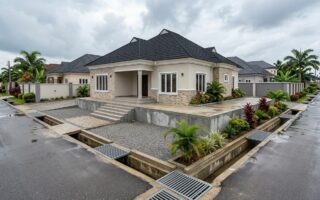
Buying a house is one of the biggest financial decisions you may ever make. In Nigeria, purchasing a property can require years of saving, selling assets, borrowing money, or combining family resources. Unfortunately, some buyers make the mistake of paying for a house based on its appearance without carrying out a proper inspection.
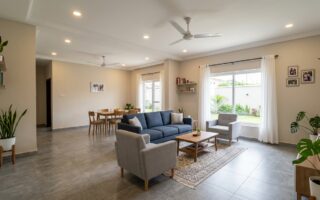
A house may look beautiful, have attractive tiles, freshly painted walls, modern kitchen cabinets, and an impressive gate. However, these features do not guarantee that the building is structurally sound, legally safe to purchase, or free from expensive hidden defects.
Imagine spending ₦50 million on a house only to discover that the roof leaks during the rainy season, the electrical wiring is unsafe, the drainage system is defective, or the property’s ownership documents have serious problems. You could end up spending millions more on repairs or facing a lengthy legal dispute.
Before buying a house in Nigeria, it is important to understand what a proper inspection involves, the mistakes buyers commonly make, and how to protect your money before completing a purchase.
1. Judging the House by Its Appearance Alone
One of the biggest mistakes buyers make is assuming that a beautiful house must be a good property.
Fresh paint, polished floors, decorative ceilings, modern lighting, and attractive furniture can make an old building look almost new. However, these features may hide serious problems behind the walls or beneath the floors.
A seller may repaint damp walls without repairing the leaking pipe responsible for the moisture. Damaged roof components may remain hidden above a newly installed ceiling, while faulty electrical wiring may continue to operate behind attractive wall finishes.
A house can look impressive during a short visit while having defects that require expensive repairs.
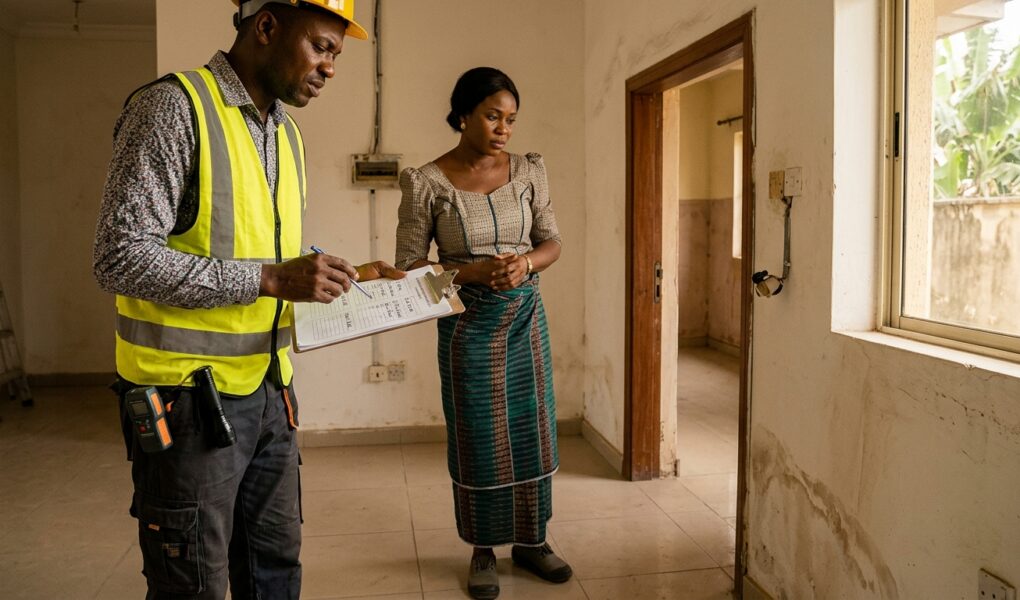
How to avoid this mistake: Look beyond the property’s appearance. Inspect the roof, walls, ceilings, floors, bathrooms, plumbing, electrical installations, and drainage. Where necessary, engage qualified professionals to assess the building’s condition before paying.
2. Failing to Check for Structural Defects
Structural defects are among the most serious problems you can discover after buying a house.
Cracks in walls do not always indicate a dangerous structural problem, but certain patterns may suggest foundation movement, settlement, or other defects that require professional investigation.
During an inspection, pay attention to:
- Large or widening cracks in walls.
- Diagonal cracks around windows and doors.
- Cracks in concrete columns or beams.
- Noticeably uneven or sloping floors.
- Doors and windows that suddenly become difficult to open.
- Signs that part of the building is separating or moving.
Do not assume that a seller’s explanation is sufficient when significant cracks are present. A coat of plaster or fresh paint may conceal the visible evidence without resolving the underlying cause.
How to avoid this mistake: Ask a qualified structural engineer to assess significant cracks, suspected foundation problems, or unusual movement. Obtain a written assessment and repair recommendations before deciding whether to proceed.
3. Buying a House Without Inspecting the Roof
Roof problems can become expensive, particularly when they allow water to enter the building during heavy rainfall.
A roof may contain damaged sheets, deteriorated timber, rusted components, loose fasteners, or poorly installed waterproofing. Some defects remain difficult to identify from the ground.
The consequences may include damaged ceilings, mould growth, electrical problems, weakened wooden components, and damage to furniture.
In Nigeria, where heavy rainfall can expose roofing weaknesses, ignoring the roof is a risk that can affect both your finances and comfort.
How to avoid this mistake: Have the roof inspected by a competent building professional. Check the ceiling for water stains and dampness, and inspect accessible roof spaces for signs of leakage or deterioration.
If the house has a history of leaking, ask the seller what repairs were carried out and request supporting evidence where available.
4. Ignoring Plumbing and Hidden Water Leaks
Plumbing problems can remain hidden behind tiled walls, beneath floors, inside cabinets, or above ceilings.
A small leak may appear harmless initially, but it can damage plaster, flooring, wooden fittings, and electrical installations over time.
Before buying a house, check whether taps work properly, toilets flush correctly, water drains efficiently, and visible pipes show signs of leakage.
Look for damp kitchen cabinets, discoloured walls, peeling paint, loose bathroom tiles, persistent drainage smells, and unexplained wet patches.
Also ask about the property’s water supply, storage tanks, pumps, and wastewater arrangements.
How to avoid this mistake: Have a qualified plumber inspect suspicious areas and test accessible plumbing fixtures. Investigate unexplained dampness instead of assuming it can be solved by repainting or replacing tiles.
5. Overlooking Faulty Electrical Installations
Electrical defects can create serious safety risks and lead to costly repairs.
An older house may have outdated wiring, overloaded circuits, damaged sockets, poor earthing, or an electrical distribution board that no longer meets the property’s needs.
A recent renovation does not necessarily mean that the electrical system has been upgraded.
Warning signs include burnt marks around sockets, exposed wires, flickering lights, loose switches, and damaged electrical panels. However, some dangerous defects are not visible during an ordinary viewing.
How to avoid this mistake: Arrange an inspection by a qualified electrician. Ask the electrician to assess the wiring, distribution board, earthing, circuit protection, and other relevant safety features.
Do not rely on the fact that the lights work as proof that the electrical system is safe.
6. Failing to Investigate Drainage and Flooding
A property may appear perfectly suitable during the dry season but become difficult to access or occupy during periods of heavy rainfall.
Poor drainage can cause water to collect around the building, damage foundations and external walls, affect access roads, and create persistent dampness.
Before purchasing, inspect the surrounding gutters, drainage channels, road levels, and ground around the house.
Look for watermarks on walls, eroded soil, blocked drains, and evidence of previous flooding. Speak with neighbours about what happens to the street during heavy rain.
Do not assume that a newly constructed drainage channel has completely eliminated the area’s flooding risk.
How to avoid this mistake: Visit the property at different times and, where possible, after rainfall. Investigate the area’s flood history and ask a qualified professional to assess visible drainage concerns.
7. Assuming the Seller Has Complete Ownership Rights
A house can be physically sound and still be a dangerous purchase if the seller cannot legally transfer the property to you.
In Nigeria, property transactions may involve family ownership, inherited property, joint ownership, mortgages, competing claims, or other restrictions.
A seller may possess some documents without having the authority required to complete the sale. In other cases, the documents may contain inconsistencies that require further investigation.
Paying for a property before confirming ownership can expose you to disputes, financial losses, and lengthy legal proceedings.
How to avoid this mistake: Engage an independent property lawyer to investigate the seller’s authority, title history, relevant land registry records, encumbrances, and any required consent or registration procedures.
Do not rely solely on a receipt, deed of assignment, survey plan, or verbal assurances. The appropriate checks depend on the property’s location and title history.
8. Confusing a Building Inspection With a Legal Property Search
A common mistake is assuming that because a house has passed a physical inspection, it is safe to purchase.
These are two separate processes.
A building inspection helps identify defects affecting the physical condition of the property. A legal property search investigates ownership, title documents, restrictions, competing claims, and other legal concerns.
Neither process replaces the other.
For example, an engineer may confirm that a building is structurally sound, but that does not prove that the seller has the legal right to sell it. Similarly, a property lawyer may confirm that the title documents are satisfactory while the building still has serious structural problems.
How to avoid this mistake: Complete both a physical inspection and legal due diligence before committing to the purchase.
9. Buying Without Checking Previous Renovations
Some houses have undergone several rounds of renovation. Unfortunately, not every renovation improves the building’s condition.
A previous owner may have removed a wall, extended a room, enclosed a balcony, added another floor, or modified drainage and plumbing systems without appropriate professional assessment.
Poorly executed alterations can affect structural integrity, ventilation, waterproofing, and safety.
Ask the seller whether major changes were made and whether the necessary approvals were obtained.
How to avoid this mistake: Request available renovation records and building approvals. Have a qualified professional assess significant alterations, especially changes involving load-bearing walls, additional floors, or major extensions.
10. Ignoring the Neighbourhood and Access Roads
A house is more than the building itself. Its location can affect your daily living expenses, comfort, safety, and future resale prospects.
Some buyers become so impressed with a property’s interior that they fail to investigate the surrounding environment.
Before buying, consider road conditions, access during heavy rainfall, drainage, traffic, security, noise, electricity supply, water availability, and proximity to essential services.
A property with a low purchase price may become expensive to live in if you constantly spend money on transportation, road repairs, water supply, or other recurring needs.
How to avoid this mistake: Visit the neighbourhood during the day and evening. Speak with residents and ask about recurring problems. If possible, inspect the access roads during or shortly after rainfall.
11. Failing to Calculate the Cost of Repairs
Another costly mistake is spending the entire available budget on the purchase price without setting money aside for repairs.
Even a reasonably maintained house may require repainting, minor plumbing work, replacement fittings, electrical upgrades, or improvements to drainage and security.
A property with serious defects may require much more.
Consider this illustrative example:
- Purchase price: ₦50,000,000
- Legal, documentation, and other transaction costs: ₦2,000,000
- Immediate repairs: ₦4,000,000
- Planned improvements: ₦1,500,000
Total initial outlay: ₦57,500,000
The figures are examples, not current market quotations. Actual costs depend on the location, property condition, transaction structure, and scope of work.
A house advertised at ₦50 million may therefore require substantially more money before it is ready for comfortable occupation.
How to avoid this mistake: Obtain written estimates for necessary repairs, account for transaction costs, and maintain a contingency reserve for unexpected problems. Compare the total cost with other suitable properties before making your final decision.
12. Accepting the Seller’s Inspection Report Without Independent Verification
A seller may provide an inspection report or claim that a professional has already examined the house.
Such information can be useful, but it should not automatically replace your own due diligence.
The report may be outdated, incomplete, limited to particular areas, or prepared for a different purpose. It may not address the specific concerns that matter to you.
How to avoid this mistake: Where the purchase is significant, appoint your own independent professional. Ask for a written report that explains the defects found, their likely severity, recommended repairs, and any areas that could not be inspected.
An independent report gives you a clearer basis for deciding whether to proceed, negotiate, or walk away.
13. Paying a Deposit Before Completing the Necessary Checks
Pressure to pay quickly can cause buyers to skip essential inspections and legal searches.
A seller may claim that several people are interested in the house or that the price will increase if you do not pay immediately. While a seller may genuinely have other buyers, urgency should not replace due diligence.
Once a deposit has been paid, recovering the money may be difficult if the transaction fails, depending on the agreement and circumstances.
How to avoid this mistake: Agree on a clear written process for inspections, title verification, payment, and completion. Have your lawyer review the agreement, including the conditions under which any deposit may be refundable.
Do not transfer a substantial amount simply because you fear losing the property.
14. Failing to Check Outstanding Bills and Estate Obligations
Some properties come with outstanding electricity bills, water charges, waste collection fees, security levies, or estate service charges.
These obligations can create disputes after the sale, particularly where a property is located in a managed estate.
Ask the seller for details of outstanding payments and verify them with the relevant utility providers or estate management where appropriate.
How to avoid this mistake: Agree in writing who will settle outstanding charges. Obtain receipts or other available evidence of payment before completing the transaction.
15. Failing to Get the Purchase Agreement Reviewed
Some buyers focus entirely on the house and overlook the terms governing the transaction.
A poorly drafted agreement may leave important questions unanswered, including the payment schedule, completion date, responsibility for outstanding charges, treatment of known defects, and consequences if the transaction cannot be completed.
How to avoid this mistake: Have an independent property lawyer review the agreement before signing. Ensure the document accurately identifies the property, the parties, the agreed price, payment arrangements, completion conditions, and relevant obligations.
Avoid relying on verbal promises about repairs or documentation when those promises can be recorded clearly in writing.
A Practical Checklist Before Buying a House in Nigeria
Use this checklist before committing to a property purchase.
Physical inspection
- Inspect walls, columns, foundations, and significant cracks.
- Check the roof and ceilings for leaks.
- Look for dampness, mould, and water stains.
- Arrange an electrical safety inspection.
- Test accessible plumbing fixtures and drainage.
- Inspect floors, bathrooms, windows, doors, and locks.
- Look for termite damage and other signs of infestation.
- Investigate previous renovations and major alterations.
- Check external drainage and possible flooding risks.
- Obtain a written report identifying defects and recommended repairs.
Legal and financial checks
- Engage an independent property lawyer.
- Verify the seller’s authority and investigate the title.
- Confirm the property’s boundaries with a registered surveyor where necessary.
- Investigate relevant restrictions, encumbrances, and competing claims.
- Check applicable approvals for major alterations.
- Confirm outstanding utility bills and estate charges.
- Review the purchase agreement before signing.
- Obtain written repair estimates.
- Calculate the total cost, including transaction costs and repairs.
- Understand the deposit and refund conditions before paying.
Should You Walk Away From a House That Has Problems?
Not every defect means a property is a bad investment. Some issues are minor, manageable, and inexpensive to fix.
The important thing is to understand the seriousness of the defect and its financial implications before proceeding.
Consider walking away or postponing the purchase if:
- The seller refuses reasonable physical inspections.
- The seller pressures you to pay before title verification.
- Significant structural concerns remain unresolved.
- There are serious, unexplained flooding or drainage problems.
- Ownership is disputed or the seller’s authority is uncertain.
- Major alterations raise unresolved safety or approval concerns.
- The estimated repair costs make the purchase financially impractical.
Where defects are repairable, you may negotiate a lower price or ask the seller to complete specified repairs before closing. Have your lawyer document any agreement and obtain professional advice on the repairs required.
Never assume that a lower purchase price automatically makes a defective property a good bargain.
Final Thoughts
Buying a house without a proper inspection can turn what should be a major life achievement into a source of financial stress.
Hidden structural defects, leaking roofs, faulty electrical installations, plumbing failures, poor drainage, ownership disputes, and unexpected repair costs can consume money you had planned to use for your family or other investments.
The best way to protect yourself is to inspect the building, investigate its legal status, assess the neighbourhood, and calculate the total cost before making a final commitment.
Remember that a house that looks perfect is not necessarily a house that is safe, legally secure, or financially worthwhile.
Before paying for your next property in Nigeria, take your time, ask questions, hire independent professionals, and verify the important details.
A proper inspection may cost you some money today, but it could save you millions of naira in avoidable losses tomorrow.