When people talk about the value of a house, they often focus on the building itself. They look at the number of bedrooms, the quality of tiles, the design of the kitchen, the size of the living room, the type of roofing, and the money spent on construction.
But in real estate, the value of a house is not determined by the building alone.
A beautiful house can lose value if it is located in an undesirable area. On the other hand, a modest-looking property can become extremely valuable because it sits on good land, has proper documentation, enjoys excellent accessibility, or is located in an area experiencing rapid development.
This is one of the most important things every homeowner and prospective property buyer should understand.
Your building is only one part of your property. The land, location, documentation, neighborhood, accessibility, infrastructure, demand and future development around it can have a major impact on what the property will be worth in the future.
@qadevaofficial Replying to @escoberblack0 ♬ original sound – Authentic Omo-onile
1. Location Can Be More Valuable Than the Building
One of the oldest principles in real estate is location, location, location.
You can build an expensive house in an area where property demand is low and still struggle to sell it at a price that reflects what you spent.
Why?
Because buyers are not purchasing only the building. They are buying the opportunity to live or operate a business in that particular location.
A property close to major roads, schools, markets, workplaces, hospitals, commercial centers and other important facilities may attract more buyers than a more expensive house in an isolated area.
This is why homeowners should think about the future potential of their location, not just the current appearance of the neighborhood.
2. The Land Is a Major Part of Your Property’s Value
When you build a house, it is easy to think that the building is the most important asset.
However, the land underneath and around the building can become increasingly valuable as the surrounding area develops.
Buildings age. They require maintenance, renovation and eventually replacement.
Land, however, remains.
Imagine two properties built at roughly the same cost. One sits on a small plot in an already crowded area, while the other sits on a larger parcel in an area where roads, businesses and residential developments are expanding.
Years later, their values could be very different.
This is why anyone buying or building a house should pay serious attention to land size, location and future development potential.
3. Good Documentation Can Increase the Value of a Property
A beautiful building without proper documentation can become a serious problem.
Before buying land or a house, homeowners should investigate the property’s ownership history and ensure that the necessary documents are genuine and properly verified.
Depending on the location and circumstances, relevant property documents may include items such as a Certificate of Occupancy (C of O), Deed of Assignment, Survey Plan, Governor’s Consent and other applicable title documents.
The specific documents required can vary depending on the state, type of property and ownership history.
Proper documentation gives potential buyers greater confidence and can make a property easier to sell or transfer.
A property may have expensive finishing, but if there are serious questions surrounding its title, buyers may hesitate to pay its full market value.
4. Accessibility Matters
How easy is it to reach your house?
This is an important question that homeowners sometimes overlook.
A property located several kilometers away from major roads with poor access may be less attractive than a property that is easier to reach.
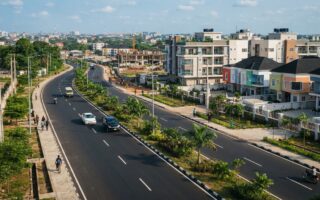
Good roads and convenient transportation links can increase the attractiveness of an area.
Consider what happens when a neighborhood gets:
- Better roads
- Improved drainage
- Reliable transportation
- Street lighting
- New commercial developments
- Better connectivity to major areas
As accessibility improves, demand for properties in the area can increase.
5. Infrastructure Around the Property Matters
Your house does not exist in isolation.
The environment surrounding it can significantly influence its value.
People want to live in places where basic infrastructure and services are reasonably accessible.
Electricity, water supply, drainage, roads, telecommunications, waste management and other infrastructure can influence how attractive a neighborhood is to potential buyers and tenants.
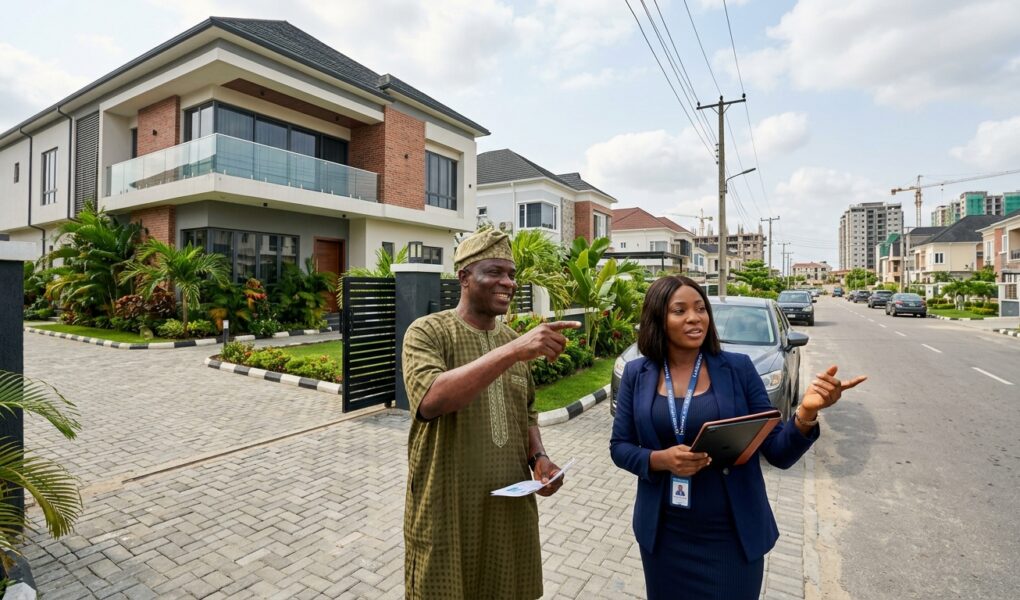
This means that when considering a property, you should look beyond the fence.
Ask yourself: What is happening around this property?
The answer could tell you more about its future value than the expensive tiles inside the building.
6. The Neighborhood Can Determine Future Demand
A house can become more valuable when the neighborhood becomes more desirable.
For example, if new businesses, schools, shopping centers, estates and other developments begin entering an area, demand for accommodation may increase.
More demand can create greater competition among buyers and tenants.
On the other hand, if an area experiences declining infrastructure, poor security, flooding problems or reduced economic activity, property demand may suffer.
Therefore, homeowners should not only ask, “How much is my house worth today?”
They should also ask:
“What is likely to happen to this neighborhood in the next 5, 10 or 15 years?”
7. Security Has an Impact on Property Value
Security is another factor that can influence real estate demand.
Most people want a home where they and their families can feel reasonably safe.
A property located in an area perceived as secure may attract more interest from buyers and tenants than a similar property in an area with serious security concerns.
Security can also influence rental demand.
If tenants consistently prefer a particular neighborhood because of its security and convenience, properties there may enjoy stronger demand.
8. Flooding and Environmental Risks Should Not Be Ignored
A beautiful house in a flood-prone location may not be the investment it appears to be.
Flooding can damage buildings, furniture, vehicles, roads and other infrastructure. It can also make a property difficult to insure, rent or resell depending on the circumstances.
Before buying or building, investigate the property’s environmental history.
Talk to people who live in the area. Visit during different weather conditions when possible. Examine drainage systems and understand the area’s topography.
Do not allow the beauty of a building to make you ignore the land it sits on.
9. Rental Income Can Affect Property Value
For an investment property, the ability to generate rental income is important.
Two houses may look similar, but one may attract tenants more easily because it is closer to workplaces, schools, transportation routes, commercial areas or other amenities.
A property with strong rental demand can be attractive to investors because it has the potential to generate regular income.
This is why investors should consider both capital appreciation and rental potential when evaluating real estate.
10. The Quality of Construction Still Matters
None of this means the building itself is unimportant.
It absolutely matters.
A poorly constructed house can become expensive to maintain and may lose appeal among buyers.
Construction quality, structural integrity, plumbing, electrical systems, roofing, doors, windows, finishing and general maintenance all contribute to the usefulness and attractiveness of a property.
However, the important lesson is that construction quality is only one part of the equation.
Spending more money on luxury finishing does not automatically mean your property will appreciate by the same amount.
11. Maintenance Can Protect Your Property’s Value
Even a property in an excellent location can lose appeal if it is poorly maintained.
Peeling paint, leaking roofs, broken fittings, damaged fences, overgrown surroundings and neglected plumbing can make a property look less attractive to potential buyers or tenants.
Regular maintenance helps preserve the condition of the building.
You do not necessarily need to constantly renovate your house with the latest designs.
Sometimes, simply keeping the property clean, functional and well-maintained can make a significant difference.
12. Future Development Can Change Everything
One of the biggest opportunities in real estate is buying or owning property in an area that is likely to experience significant development.
A location that looks ordinary today could become highly desirable years later if major infrastructure and economic activity arrive.
For example, a new major road, industrial development, commercial district, university, hospital or other significant project can potentially influence demand for surrounding properties.
However, homeowners should be careful about relying on rumors.
“They said a new road is coming” is not the same as verified information about an approved or funded project.
Do proper research before making a major property decision based on expected future development.
13. Don’t Build Only for Today
One mistake some homeowners make is designing a house entirely around their current circumstances.
But property ownership can last for decades.
Your financial situation, family size, neighborhood and lifestyle may change.
When building, think about:
- Future maintenance costs
- Potential resale
- Rental possibilities
- Accessibility
- Land utilization
- Expansion opportunities
- Changing neighborhood demand
A house that is beautiful today but extremely expensive to maintain may become a financial burden later.
14. Don’t Confuse Construction Cost With Market Value
This is a very important distinction.
Suppose you spend ₦60 million building a house.
That does not automatically mean someone will pay ₦60 million or more for it.
Construction cost and market value are not the same thing.
Market value is influenced by what buyers are willing to pay for comparable properties in that location and under current market conditions.
You may spend heavily on imported tiles, expensive lighting, sophisticated ceilings and luxury fittings, but buyers may not value those additions as highly as you do.
This is why homeowners should avoid assuming:
“I spent this much, so my house must be worth this much.”
Real estate does not always work that way.
15. Think About the Property as a Complete Asset
Instead of looking at your house as simply a building, look at it as a combination of several assets and factors:
Land + Building + Location + Documentation + Accessibility + Infrastructure + Neighborhood + Demand + Maintenance + Future Potential
When these elements work together, they can create a property with strong long-term value.
This is also why two houses that look almost identical can have completely different market values.
What Every Homeowner Should Ask
Whether you already own a house or are planning to buy one, ask yourself these questions:
- Is the property properly documented?
- Is the location desirable?
- Is the land itself valuable?
- How accessible is the property?
- Is the area developing?
- What infrastructure is available?
- Is the neighborhood relatively secure?
- Is flooding or another environmental risk a concern?
- Can the property generate rental income?
- How much will the property cost to maintain?
- Is there demand for similar properties in the area?
- What could make this location more valuable in the future?
These questions can help you look beyond the walls and roof.
Final Thoughts
The value of your house is not in the building alone.
A house is more than blocks, cement, roofing sheets, tiles, doors and windows. The land it occupies, the location where it stands, the quality of its documentation, the accessibility of the area, the surrounding infrastructure and the future prospects of the neighborhood can all influence its long-term value.
This is why buying or building a property should never be based solely on how beautiful the building looks.
A beautiful building in the wrong location may struggle to appreciate.
A modest building on valuable land in a growing and well-connected location may become significantly more valuable over time.
So, when evaluating real estate, don’t just look at the house. Look at everything around it, underneath it and ahead of it.
Because in real estate, what you cannot see from the living room may be what determines the property’s greatest value.