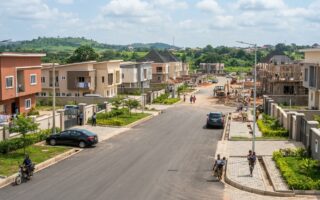
Choosing where to live involves more than finding an affordable house, a well-developed road network or a peaceful residential environment. Access to reliable healthcare is another important factor that Nigerian homebuyers and property investors should consider before purchasing or renting a property.
A neighbourhood may have beautiful residential buildings, modern shopping centres and good electricity supply, but limited access to quality healthcare can become a serious disadvantage for residents. Medical emergencies, unexpected illnesses, pregnancy-related complications and routine health concerns require access to appropriate healthcare facilities without unnecessary delays.
For families with children, elderly residents and people who require regular medical attention, the availability of dependable hospitals and healthcare centres can significantly influence their choice of residence.
In Nigeria, healthcare accessibility varies considerably between neighbourhoods. Some residential communities have several private hospitals, government hospitals, pharmacies and primary healthcare centres nearby, while others require residents to travel considerable distances before receiving appropriate medical attention.
Whether you are considering a property in Lagos, Ibadan, Abuja, Port Harcourt, Abeokuta or another Nigerian city, evaluating healthcare accessibility should form part of your property inspection process.
Here are important factors to consider when assessing a neighbourhood’s access to reliable healthcare.
1. Identify the Healthcare Facilities Available Within the Neighbourhood
Begin by identifying the hospitals, clinics, primary healthcare centres and other medical facilities operating within the neighbourhood.
Do not rely entirely on information provided by property agents or developers. Conduct independent research to establish which healthcare facilities are actually available.
Look for different categories of healthcare providers, including:
- Government-owned primary healthcare centres.
- State-owned general hospitals.
- Federal medical centres.
- Teaching hospitals.
- Private hospitals and clinics.
- Specialist medical centres.
- Maternity hospitals.
- Diagnostic and medical laboratories.
- Community pharmacies.
Nigeria operates a healthcare system with primary, secondary and tertiary levels of care. Each serves different medical needs.
A primary healthcare centre may handle routine consultations, immunisation and basic medical services, while general hospitals and specialist facilities provide more advanced treatment. Teaching hospitals and federal medical centres offer more specialised services.
A neighbourhood with access to different levels of healthcare is generally more convenient than one that depends entirely on a single small clinic.
2. Evaluate the Distance to the Nearest Hospital
The presence of a hospital somewhere within the same local government area does not necessarily mean residents have convenient access to it.
Consider the actual distance between the property and the nearest functional hospital.
For example, a house located in a developing area outside Ibadan may be several kilometres away from a major hospital, even though the property is advertised as being close to healthcare facilities.
Use Google Maps or another navigation service to identify nearby hospitals and estimate travel distances.
However, do not assess accessibility based on distance alone. A hospital that is five kilometres away through a congested road may be less accessible than another facility located seven kilometres away on a less congested route.
Consider both the distance and the time required to reach the facility.
3. Check Whether Emergency Medical Services Are Available
Emergency healthcare access deserves particular attention when evaluating a residential neighbourhood.
Accidents, severe illnesses, childbirth complications and other medical emergencies can occur without warning.
Find out whether nearby hospitals provide emergency services and whether qualified medical personnel are available outside normal consultation hours.
Important questions include:
- Does the hospital operate 24 hours a day?
- Is there an accident and emergency department?
- Are doctors and nurses available overnight?
- Does the facility have an ambulance service?
- Can it handle serious medical emergencies?
- Does it have arrangements for referring patients to larger hospitals?
Do not assume that every facility advertising itself as a hospital can handle emergencies.
Some smaller clinics may provide routine consultations but lack the personnel, equipment and facilities required for serious medical conditions.
A reliable neighbourhood should offer reasonable access to emergency treatment, either within the community or through accessible referral hospitals.
4. Investigate the Quality of Nearby Healthcare Facilities
The number of hospitals in a neighbourhood does not automatically indicate the quality of healthcare available.
A community may have several private clinics but still lack a properly equipped hospital capable of handling complicated medical cases.
Where possible, investigate the quality of nearby healthcare facilities.
Consider factors such as:
- Qualifications and experience of medical personnel.
- Availability of qualified doctors and nurses.
- Diagnostic equipment.
- Laboratory services.
- Pharmacy services.
- Cleanliness and general hygiene.
- Patient admission facilities.
- Emergency response capabilities.
- Availability of essential medical supplies.
You can also ask residents about their experiences with nearby hospitals.
Their feedback may help you understand waiting times, service reliability, staff attitudes and the general quality of medical attention.
For private hospitals, investigate whether the facility is properly registered and licensed by the relevant state health regulatory authority.
5. Examine the Availability of Pharmacies and Essential Medicines
Access to healthcare is not limited to hospitals and clinics.
Residents also need convenient access to pharmacies where they can obtain prescribed medicines and other essential healthcare products.
Check whether the neighbourhood has registered community pharmacies and whether they operate during evenings, weekends and public holidays.
This is particularly important for families with young children, elderly residents and people who require regular medication.
Consider the following:
- Distance to the nearest pharmacy.
- Availability of qualified pharmacy professionals.
- Operating hours.
- Availability of commonly prescribed medicines.
- Access to pharmacies during emergencies.
- Availability of legitimate prescription medicines.
Do not assume that every medicine shop or patent medicine outlet provides the same services as a registered pharmacy.
A neighbourhood with accessible hospitals, pharmacies and basic medical services offers greater convenience to residents.
6. Assess Road Accessibility to Nearby Hospitals
A hospital may be relatively close to a residential property, but poor road conditions can make reaching it difficult.
This is a particularly important consideration in many developing Nigerian communities.
During your property inspection, examine the roads connecting the neighbourhood to nearby healthcare facilities.
Pay attention to:
- Road conditions during the rainy season.
- Flood-prone routes.
- Road width and accessibility.
- Traffic congestion.
- Availability of alternative routes.
- Street lighting.
- Accessibility for ambulances.
- Distance to major roads.
For example, a property located in an emerging residential estate may have good access to a major hospital during the dry season but become difficult to reach when surrounding roads become flooded.
Visit the neighbourhood at different times of the day and, where possible, during the rainy season.
A reliable healthcare facility is only practically accessible when residents can reach it without unnecessary difficulties.
7. Consider the Healthcare Needs of Your Household
Different households have different healthcare requirements.
A young professional living alone may prioritise access to general hospitals and pharmacies, while a family with children may require convenient access to paediatric services, maternity care and emergency treatment.
Before purchasing or renting a property, consider the medical needs of everyone who will live there.
For example:
Families with young children: Consider access to paediatricians, immunisation services, maternity facilities and emergency treatment.
Pregnant women: Investigate nearby antenatal clinics, delivery facilities, qualified obstetric professionals and emergency referral arrangements.
Elderly residents: Look for hospitals offering general medical consultations, diagnostic services and specialist care.
People with long-term medical needs: Consider proximity to facilities providing regular consultations, laboratory investigations and access to prescribed medicines.
Large households: Access to multiple healthcare facilities may be preferable because different family members may require different medical services.
The best neighbourhood is not necessarily the one with the largest hospital. It is the one that provides practical access to the healthcare services your household may need.
8. Investigate the Availability of Diagnostic Laboratories and Specialist Services
Some medical conditions require more than a basic hospital consultation.
Patients may need blood tests, ultrasound examinations, X-rays, scans and other diagnostic investigations.
If these services are unavailable within the neighbourhood, residents may have to travel to other parts of the city.
Find out whether nearby healthcare facilities have functional diagnostic departments or established relationships with reliable diagnostic centres.
You should also investigate access to specialist services such as:
- Paediatrics.
- Obstetrics and gynaecology.
- Cardiology.
- Orthopaedics.
- Eye care.
- Dental care.
- General surgery.
- Physiotherapy.
Not every neighbourhood needs to have all these services within its immediate boundaries. However, convenient access to referral hospitals and specialist centres is an important advantage.
9. Compare Public and Private Healthcare Options
Nigerian residents often depend on a combination of public and private healthcare providers.
Government hospitals may provide more affordable treatment for certain services, while private facilities may offer additional convenience or shorter waiting times.
However, service quality varies between individual facilities, regardless of ownership.
When evaluating a neighbourhood, identify both public and private healthcare options.
Consider:
- Consultation charges.
- Diagnostic costs.
- Availability of medical personnel.
- Waiting times.
- Operating hours.
- Emergency services.
- Health insurance acceptance.
- Availability of specialist treatment.
Do not automatically assume that private hospitals provide better medical services or that government hospitals are always overcrowded.
Investigate the actual facilities available before making your decision.
10. Check Whether Nearby Hospitals Accept Health Insurance
Healthcare expenses can become a financial burden when residents have limited access to affordable medical services.
One factor worth investigating is whether nearby hospitals accept health insurance.
Find out whether the facilities are accredited by the National Health Insurance Authority (NHIA) or relevant state health insurance schemes.
For example, residents in Lagos may investigate healthcare providers participating in the Lagos State Health Management Agency (LASHMA) scheme, while residents in Oyo State can examine facilities participating in the Oyo State Health Insurance Agency programme.
If your household already has health insurance, contact your provider to confirm which nearby hospitals are included in your coverage.
A hospital’s participation in a health insurance programme should be verified directly because accreditation and provider networks can change.
11. Speak With Existing Residents About Healthcare Accessibility
One of the most useful ways to evaluate healthcare access is to speak with people who already live in the neighbourhood.
Residents can provide practical information that may not be available through online searches or property advertisements.
Ask questions such as:
- Which hospital do residents commonly visit?
- Is there a reliable 24-hour hospital nearby?
- How long does it take to reach the nearest general hospital?
- Are ambulances able to access the neighbourhood?
- Are there reliable pharmacies nearby?
- Do residents travel outside the area for specialist treatment?
- Are there hospitals that frequently experience medicine or equipment shortages?
Try to speak with several residents rather than relying on one person’s opinion.
Their experiences can help you distinguish between healthcare facilities that merely exist in the area and those that residents actually depend on.
12. Use the Nigeria Health Facility Registry to Verify Nearby Facilities
Property buyers can also use official resources to identify healthcare facilities in different parts of Nigeria.
The Nigeria Health Facility Registry, maintained through the Federal Ministry of Health and Social Welfare, provides a facility-finding platform for locating registered healthcare facilities.
You can search by location or facility name to identify hospitals, clinics and other healthcare providers.
However, finding a facility in a registry does not automatically establish that it is fully operational, properly equipped or capable of providing emergency treatment.
Where possible, visit the facility or contact its management to confirm its current services, operating hours and availability of medical personnel.
This additional verification is particularly important when purchasing property in a developing neighbourhood where healthcare infrastructure may still be expanding.
13. Consider Future Healthcare Development in Emerging Neighbourhoods
Some Nigerian residential communities are located in developing areas where healthcare infrastructure may be limited today but could improve as the population increases.
If you are purchasing property in an emerging neighbourhood, investigate whether there are credible plans for new hospitals, primary healthcare centres or specialist facilities.
However, distinguish between confirmed developments and promotional promises.
A property developer may advertise that a new hospital will be constructed within an estate or nearby community, but buyers should request evidence of the project, including approvals, development timelines and the identity of the organisation responsible.
Do not pay a premium for a property simply because of an unverified promise of future healthcare infrastructure.
Evaluate the neighbourhood based on facilities that currently exist while treating future developments as potential advantages rather than guaranteed benefits.
14. Evaluate Healthcare Access Before Making Your Final Property Decision
Before paying for a property, conduct a final healthcare accessibility assessment.
Prepare a list of the nearest hospitals, pharmacies, diagnostic centres and primary healthcare facilities.
Record their distances, estimated travel times, available services and operating hours.
You can also create a simple comparison between different neighbourhoods you are considering.
For example:
| Healthcare consideration | Neighbourhood A | Neighbourhood B |
|---|---|---|
| Nearby primary healthcare centre | Yes | No |
| Nearby general hospital | Yes | Yes |
| 24-hour emergency facility | Yes | Unconfirmed |
| Community pharmacy | Yes | Yes |
| Diagnostic laboratory | Yes | No |
| Good road access | Yes | Seasonal difficulties |
| Health insurance providers | Available | Limited options |
This is an illustrative comparison. Actual findings should be established through physical inspections and independent verification.
A neighbourhood that offers convenient access to different levels of healthcare may be a more suitable residential choice, even if another area has a slightly lower property price.
Final Thoughts
Access to reliable healthcare is an important consideration when choosing where to buy or rent a property in Nigeria. A beautiful house in a poorly connected neighbourhood may become inconvenient when residents need urgent medical attention.
Before making a property decision, investigate the availability, quality and accessibility of nearby hospitals, primary healthcare centres, pharmacies and specialist medical facilities.
Pay attention to road conditions, emergency services, healthcare costs and the medical needs of your household. Speak with existing residents and independently verify information provided by property agents and developers.
For real estate investors, healthcare accessibility is also worth considering when assessing the long-term residential appeal of a neighbourhood.
A well-connected residential community offers more than attractive buildings and good infrastructure. It provides residents with convenient access to essential services that contribute to a safer, healthier and more comfortable living environment.
Ultimately, choosing a neighbourhood with dependable healthcare access is not just about convenience. It is an important investment in the wellbeing of everyone who will call that community home.