
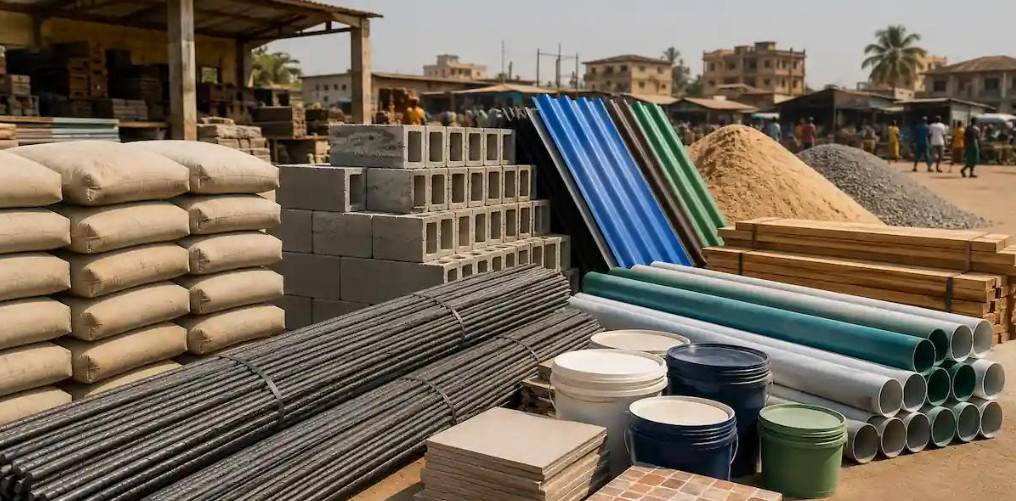
Buying building materials in bulk can be an effective way to reduce construction costs, avoid frequent market visits and keep a building project moving without unnecessary interruptions. Whether you are constructing a residential property, developing rental apartments or building a commercial structure in Nigeria, purchasing materials in larger quantities can offer significant financial and logistical advantages.
However, bulk purchasing is not automatically cheaper. Without proper planning, you could end up buying materials you do not need, purchasing substandard products, dealing with storage problems or tying up money that should be reserved for other construction expenses.
Before committing a substantial amount of money to building materials, there are several important things every property owner, developer and aspiring homeowner should understand.
Here is what to know before buying building materials in bulk.
1. Have a Detailed Building Plan Before Shopping
One of the biggest mistakes people make when purchasing construction materials is buying based on estimates rather than actual project requirements.
Before visiting a building materials market, ensure you have a properly prepared building plan and, where appropriate, a material schedule or bill of quantities (BOQ).
A BOQ provides an estimated breakdown of the materials and quantities required for different stages of construction.
For example, you should know approximately how many:
- Bags of cement are required.
- Blocks are needed for the project.
- Tonnes of reinforcement steel are necessary.
- Trips of sharp sand and granite will be required.
- Roofing sheets, timber and other finishing materials are needed.
- Electrical and plumbing materials are required.
Your architect, quantity surveyor or qualified building professional can help prepare these estimates.
Buying without a clear material schedule increases the possibility of overspending, shortages and unnecessary waste.
2. Compare Prices From Different Suppliers
Never assume that one building materials dealer offers the cheapest prices simply because they operate in a popular market.
Prices can vary considerably between suppliers, even when they sell the same product.
Before making a bulk purchase, obtain quotations from at least three different suppliers. Compare their prices, product specifications, transportation charges and payment conditions.
For instance, a supplier offering cement at a slightly lower price may charge significantly more for transportation. Another supplier may offer a better overall deal because they operate closer to your construction site.
Your comparison should consider the total cost of getting the materials delivered and safely stored at your project location.
Remember that the cheapest quotation is not always the best deal.
3. Verify the Quality of Every Material
Buying in bulk increases the financial consequences of purchasing poor-quality materials.
Imagine buying hundreds of bags of substandard cement or several tonnes of reinforcement bars that do not meet the required specifications. Correcting such mistakes could become extremely expensive.
Before paying, inspect the materials carefully.
Some important quality checks include:
Cement: Check the manufacturer’s details, packaging condition, production information and recommended storage requirements. Avoid bags that are torn, damp, unusually hardened or visibly contaminated.
Reinforcement bars: Confirm the required diameter, grade and applicable standards. Do not rely entirely on appearance or a supplier’s verbal assurance.
Blocks: Check their dimensions, consistency, visible cracks and suitability for the intended application.
Sand and granite: Ensure the aggregates are suitable for the intended construction work and free from excessive contamination.
Roofing materials: Confirm the material specifications, thickness, coating and manufacturer’s warranty where applicable.
Where technical specifications are involved, allow your engineer or another qualified professional to verify that the materials meet the project’s requirements.
4. Understand the Benefits of Bulk Purchasing
Bulk buying can provide several advantages when properly managed.
Lower Purchase Costs
Some suppliers offer discounts to customers purchasing large quantities. Negotiating a single large order may also help you obtain better commercial terms.
Reduced Transportation Expenses
Instead of paying for several small deliveries, you may be able to organise fewer, larger deliveries and reduce transportation costs.
Protection Against Supply Interruptions
Having essential materials available can help prevent construction delays caused by temporary shortages or supplier difficulties.
Better Project Planning
Bulk purchasing can make it easier to organise construction activities because materials are available when needed.
However, these benefits depend on the availability of suitable storage, reliable suppliers and accurate quantity estimates.
5. Do Not Ignore Storage Requirements
Buying materials in bulk creates another responsibility: storing them properly.
Construction materials can deteriorate when exposed to moisture, sunlight, poor ventilation or improper handling.
For example, cement is particularly sensitive to moisture. Storing cement bags directly on the ground or against damp walls can cause them to absorb moisture and harden.
Steel reinforcement bars should also be protected against prolonged exposure to conditions that may cause excessive corrosion.
Timber should be stored appropriately to reduce moisture-related damage, warping and pest infestation.
Before buying large quantities, consider:
- Whether your construction site has enough storage space.
- Whether materials can be protected from rain and moisture.
- Whether the site has adequate security.
- Whether materials can be arranged without obstructing construction activities.
- Whether you have a reliable system for monitoring stock.
A bulk purchase that cannot be stored properly may eventually cost more than buying materials in smaller quantities.
6. Check the Supplier’s Reputation
The building materials market has reliable suppliers, but buyers must also be cautious of dishonest dealers and businesses that make promises they cannot fulfil.
Before transferring a substantial amount of money, investigate the supplier.
Find out how long they have been operating, whether they have a verifiable business address and whether previous customers have had positive experiences.
You should also consider:
- Asking for references from previous customers.
- Checking available business reviews.
- Confirming the supplier’s identity and payment details.
- Requesting an official invoice or receipt.
- Confirming the exact delivery arrangements.
- Avoiding pressure to make immediate payments without proper documentation.
If you are buying from a new supplier, consider starting with a smaller transaction before committing to a substantial order.
A reliable supplier is valuable not only because of competitive prices but also because of consistent quality and dependable delivery.
7. Understand Market Price Fluctuations
Building material prices in Nigeria can change because of several factors, including exchange rates, transportation expenses, manufacturing costs, importation costs and market demand.
This is particularly important when planning a construction project that will take several months to complete.
For example, buying certain materials ahead of time may help protect you against future price increases. However, purchasing everything at once may also expose you to unnecessary storage costs and financial pressure.
Before making a large purchase, investigate current market prices and ask suppliers whether their quotations are guaranteed for a specific period.
Avoid making purchasing decisions based entirely on rumours that prices will increase soon.
The goal is to balance potential savings against the cost of holding materials that may not be needed immediately.
8. Calculate Transportation and Loading Costs
A common mistake among property owners is comparing only the purchase prices of materials.
Transportation, loading, offloading and handling can significantly increase the final cost.
For example, purchasing granite from a distant supplier may initially appear cheaper. However, once transportation expenses are included, a closer supplier could offer better value.
Ask for a complete quotation that covers:
- Material purchase price.
- Transportation to the construction site.
- Loading and offloading.
- Additional handling charges.
- Any applicable delivery fees.
Also, establish who is responsible if materials are damaged or lost during transportation.
Always confirm the quantity delivered against the supplier’s invoice and your purchase order.
9. Avoid Buying Materials You Will Not Need Soon
Although buying in bulk can be economical, purchasing too much too early can create financial and operational problems.
For instance, buying large quantities of cement months before the construction stage requiring it may expose you to deterioration and storage difficulties.
It may also tie up funds that could be used for labour, professional fees, foundation work or other urgent expenses.
A better approach is to divide your purchases according to construction stages.
For example:
- Foundation stage: Purchase materials required for excavation, concrete work and foundation construction.
- Structural stage: Arrange cement, reinforcement bars, blocks and other materials based on the approved construction schedule.
- Roofing stage: Purchase roofing sheets, timber and associated materials when the project approaches that stage.
- Finishing stage: Arrange tiles, doors, windows, plumbing and electrical materials according to the finishing schedule.
This approach allows you to enjoy bulk purchasing benefits without unnecessarily overcrowding your construction site.
10. Negotiate Payment and Delivery Terms
Bulk purchases often involve substantial financial commitments. Therefore, payment arrangements should be clearly understood before any transaction is completed.
Do not rely entirely on verbal agreements.
Ask the supplier to provide written details covering:
- The total quantity purchased.
- Unit prices and total costs.
- Payment deadlines.
- Delivery dates.
- Delivery locations.
- Product specifications.
- Refund or replacement arrangements for defective goods.
If you are making an advance payment, understand what happens if the supplier fails to deliver as agreed.
For particularly large transactions, consider having a written purchase agreement reviewed by an appropriate professional.
Good documentation protects both the buyer and the supplier.
11. Beware of Counterfeit and Substandard Products
Not every product sold under a familiar brand name is necessarily genuine.
Counterfeit and substandard building materials can create serious problems, including structural defects, premature deterioration and expensive repairs.
Purchase branded materials from reputable distributors or suppliers with verifiable supply arrangements.
Check packaging, product identification, manufacturer information and applicable regulatory or quality certifications.
For products where quality has direct structural implications, do not make purchasing decisions based solely on price.
Your engineer should confirm that materials meet the relevant Nigerian standards and the specifications approved for your project.
12. Keep Proper Records of All Purchases
When purchasing materials in large quantities, maintaining accurate records becomes essential.
Without proper documentation, it can be difficult to determine how much has been purchased, delivered, used or left in storage.
Maintain a simple inventory containing:
- Material description.
- Quantity purchased.
- Supplier’s name and contact details.
- Unit purchase price.
- Total amount paid.
- Delivery date.
- Quantity received.
- Quantity used.
- Remaining stock.
You should also keep invoices, receipts, delivery notes and payment confirmations.
If you employ a site supervisor or contractor, establish a system for recording materials received and issued for construction.
This reduces waste, improves accountability and makes it easier to identify unexplained shortages.
13. Work With Professionals Before Making Major Purchases
Building a house involves more than buying cement, blocks and roofing materials.
The wrong material specifications or incorrect quantities can affect the safety, durability and overall cost of your property.
Before committing to major purchases, consult the relevant professionals.
A quantity surveyor can help estimate material requirements and control construction costs.
An architect can ensure that materials are consistent with the building design.
A structural engineer can specify appropriate reinforcement and structural materials.
A qualified contractor or site supervisor can help coordinate deliveries and monitor material usage.
Professional advice may appear to be an additional expense, but it can prevent costly construction mistakes.
Final Thoughts
Buying building materials in bulk can help reduce construction expenses, improve project organisation and minimise unnecessary trips to the market. However, the benefits depend on making informed purchasing decisions.
Before committing your money, prepare a detailed material schedule, compare suppliers, verify product quality, calculate transportation expenses and arrange proper storage.
Most importantly, do not allow the excitement of receiving a bulk discount to influence you into buying materials you do not need.
A successful building project is not necessarily the one where the owner purchases the largest quantity of materials at once. It is the one where every purchase is properly planned, every naira is accounted for and every material contributes to the quality and long-term value of the property.
At Qadeva.com, we believe that informed property decisions begin long before construction is completed. Understanding how to purchase building materials wisely is one of the practical steps towards building a property that delivers lasting value.