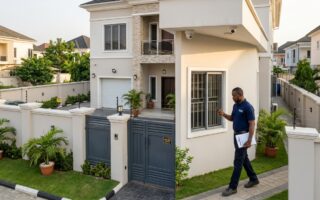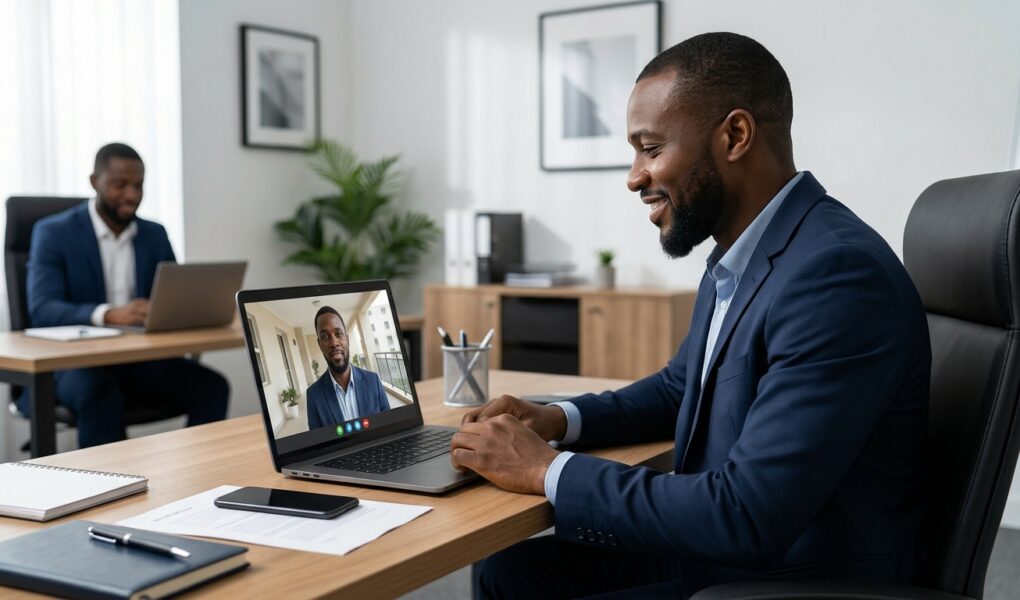
Owning a rental property in another city can be a rewarding investment, but managing it from a distance comes with responsibilities that should not be overlooked. From collecting rent and supervising repairs to monitoring tenants and protecting the building, landlords need reliable systems to ensure their properties remain properly managed even when they are physically unavailable.
For example, someone living in Lagos may own a residential apartment in Abuja, Ibadan, Port Harcourt, or another Nigerian city. Similarly, Nigerians living abroad may own houses or land investments in different parts of the country and depend on other people to oversee their assets.
While distance does not necessarily prevent successful property management, it can make ordinary responsibilities more complicated.
A landlord who is not physically present may struggle to confirm whether rent has been paid, determine the actual condition of a building, supervise maintenance workers, or respond quickly when a tenant raises a complaint.
There is also the risk of relying on dishonest representatives, receiving inaccurate property reports, or discovering problems only after they have become expensive to resolve.
Fortunately, managing a rental property remotely is possible when the right people, communication channels, documentation, and monitoring procedures are in place.
Whether you own one apartment in another state or several rental properties across Nigeria, here are practical ways to manage your investment without living in the same city.
1. Hire a Reliable Property Manager
One of the most practical ways to manage a rental property from another city is to appoint a trustworthy property manager.
A property manager acts as your representative and handles agreed responsibilities on your behalf.
Depending on the arrangement, these responsibilities may include:
-
Collecting rent from tenants.
-
Monitoring rental payment deadlines.
-
Responding to tenant complaints.
-
Arranging repairs and maintenance.
-
Supervising artisans and contractors.
-
Conducting periodic property inspections.
-
Providing regular reports to the landlord.
-
Managing tenant communication.
However, hiring someone simply because they are a relative, friend, or acquaintance is not always the best decision.
The person should have the necessary organisational skills, integrity, availability, and understanding of property management responsibilities.
Before appointing a property manager, establish their experience, verify references where possible, and clearly explain what you expect from them.
Most importantly, put the arrangement in writing so that both parties understand their responsibilities.
2. Create a Written Property Management Agreement
Even when you appoint someone you have known for many years, avoid relying entirely on verbal agreements.
A written property management agreement helps establish accountability and reduces the possibility of misunderstandings.
The agreement should explain the manager’s responsibilities, payment arrangements, reporting requirements, and limits of authority.
For example, if the manager is permitted to collect rent, the agreement should specify how the money will be transferred to you and how quickly this must happen.
It should also explain whether the manager can approve repairs independently or must obtain your permission before spending money above an agreed amount.
Other important details include:
-
Management fees and payment arrangements.
-
Rent collection procedures.
-
Inspection frequency.
-
Emergency repair responsibilities.
-
Recordkeeping requirements.
-
Reporting schedules.
-
Conflict-of-interest expectations.
-
Conditions for ending the management arrangement.
A clear agreement makes it easier to evaluate performance and address problems when they arise.
3. Use Official Bank Accounts for Rent Collection
One of the biggest risks of managing a property remotely is losing control of rental income.
Some landlords depend entirely on a property manager to collect rent and transfer the money whenever convenient.
This arrangement can create unnecessary financial risks, especially when there are no proper payment records.
Where practical, provide tenants with an official bank account belonging to the property owner or an appropriately authorised business entity.
Tenants should receive clear written payment instructions and understand how to confirm successful transactions.
If a property manager is authorised to collect rent, establish a documented procedure for recording every payment and transferring funds.
For example, your rental management system can require:
-
The tenant’s name.
-
The property address.
-
The amount paid.
-
The payment date.
-
The payment reference.
-
Confirmation of transfer.
This allows you to monitor rental income without depending entirely on verbal updates.
It also makes it easier to identify missing payments and resolve disagreements.
4. Maintain Regular Communication With Tenants
Living in another city does not mean you should become inaccessible to your tenants.
Tenants need to know how to contact the landlord or authorised property manager when they have questions, complaints, or urgent maintenance requests.
Establish official communication channels such as WhatsApp, telephone, and email.
You can also create a dedicated communication line for property-related matters.
Make sure tenants understand:
-
Who manages the property.
-
Where to report maintenance problems.
-
How to confirm rent payments.
-
Who to contact during emergencies.
-
How long they should normally expect to wait for responses.
Regular communication can help you identify problems early.
For example, a tenant who reports a leaking roof should not have to wait several weeks simply because the landlord lives in another state.
A good remote management arrangement ensures that tenants can receive assistance without unnecessary delays.
5. Schedule Periodic Physical Property Inspections
Photographs and video calls are useful, but they should not completely replace physical property inspections.
A building may appear to be in good condition during a brief video call while hiding problems such as leaking pipes, damaged electrical installations, drainage issues, or unauthorised alterations.
Landlords should arrange periodic inspections to understand the actual condition of their properties.
Depending on the property type, occupancy, and management arrangement, inspections may take place quarterly, twice a year, or at another reasonable interval.
During an inspection, pay attention to:
-
The general condition of the building.
-
Roofs, ceilings, and walls.
-
Plumbing and electrical installations.
-
Doors, windows, and security features.
-
Drainage and surrounding areas.
-
Signs of dampness or water damage.
-
Unauthorised construction or alterations.
-
General cleanliness and maintenance.
Ask the property manager to provide dated photographs and a written report after each inspection.
Where the circumstances justify it, you can also arrange an independent inspection by a qualified professional.
Remember that inspections should be conducted with appropriate notice and respect for tenants’ privacy.
6. Keep a Separate Maintenance Fund
Unexpected repairs are part of owning rental property.
A damaged water pipe, faulty electrical installation, leaking roof, or broken security gate may require immediate attention.
When you live in another city, arranging emergency repairs can become more difficult if money has not been made available.
Consider maintaining a separate maintenance fund for each property or a clearly documented fund covering your rental portfolio.
The amount should reflect the property’s age, size, condition, and likely maintenance requirements.
Your property manager may be authorised to approve minor repairs within an agreed financial limit.
However, major expenses should require your approval before work begins, except where immediate action is reasonably necessary to prevent serious damage or protect safety.
Always request invoices, receipts, photographs, and details of the work completed.
This helps prevent inflated repair costs and makes it easier to track how rental income is being used.
7. Set Clear Limits on the Property Manager’s Authority
Giving someone responsibility for your property does not mean giving them unlimited control over it.
A property manager should understand which decisions they can make independently and which require your approval.
For example, you may allow the manager to arrange minor plumbing repairs without contacting you first. However, replacing an entire roof, renovating the building, changing the rental price, or approving major structural work should require your consent.
Establish clear spending limits.
You can divide responsibilities into three categories:
Routine responsibilities: Activities such as responding to tenants, arranging inspections, and following up on rent payments.
Minor expenses: Small repairs and maintenance work within an agreed budget.
Major decisions: Renovations, major repairs, new tenancy agreements, changes to rental terms, and other significant financial commitments.
This arrangement prevents unnecessary delays while ensuring that you retain control over important decisions.
8. Use Technology to Monitor Your Property
Technology has made it easier for landlords to manage properties without being physically present.
You do not necessarily need an expensive property management system to stay informed about what is happening in another city.
Simple digital tools can help you organise rental records, communicate with tenants, and monitor maintenance activities.
Consider using:
-
WhatsApp for communication with tenants and property managers.
-
Google Drive for storing tenancy agreements, receipts, photographs, and inspection reports.
-
Google Sheets for tracking rent payments and property expenses.
-
Video calls for virtual property inspections.
-
Email for formal instructions and approvals.
-
Calendar reminders for rent renewals, inspections, and maintenance schedules.
You can also use dedicated property management software if you own several rental units.
The important thing is to ensure that property information is properly organised and accessible when needed.
Avoid relying on one person’s phone or personal email account as the only location for important property records.
9. Request Monthly Financial and Property Reports
A property manager should not simply tell you that everything is fine whenever you ask about your investment.
You need regular information that allows you to evaluate how the property is performing.
Consider requiring a monthly report containing:
-
Total rent collected.
-
Outstanding rental payments.
-
Property management fees.
-
Maintenance expenses.
-
Other property-related costs.
-
Tenant complaints and unresolved issues.
-
Current occupancy status.
-
Repairs completed during the month.
The report should also include supporting evidence where necessary, such as payment confirmations, receipts, invoices, and photographs.
For example, if your property generates ₦2 million in rental income during a reporting period and ₦150,000 is spent on approved repairs, the report should clearly explain the figures and show the remaining balance.
This makes it easier to identify financial irregularities and understand the actual performance of your investment.
10. Have Direct Contact With Your Tenants
Even when you have appointed a property manager, you should not completely disconnect yourself from the people occupying your property.
Maintaining a direct relationship with tenants provides another way to verify information and understand their experiences.
You do not need to interfere with every management decision.
Instead, introduce yourself as the property owner and explain that the appointed manager handles daily responsibilities while you remain available for important matters.
Occasional direct communication can help you discover issues that may not have been included in the manager’s reports.
For example, a tenant may have reported a leaking roof several times without receiving assistance. If you rely entirely on the manager, you might never know about the situation.
A direct communication channel provides an additional layer of accountability.
It also helps tenants understand that the landlord remains involved in the property’s management.
11. Arrange Independent Property Inspections
One disadvantage of remote property management is that you may receive information from only one person.
Although a property manager may be honest and hardworking, independent verification is still important.
Consider appointing another trusted professional to inspect the property periodically.
This could be a building professional, surveyor, facility manager, or another qualified person who can independently assess the building.
The purpose is to confirm that the property is being maintained properly and that the information in your regular reports is accurate.
An independent inspection may reveal:
-
Maintenance problems that were not reported.
-
Unauthorised alterations.
-
Deteriorating building conditions.
-
Poor workmanship on completed repairs.
-
Unapproved occupants.
-
Changes to the property’s general condition.
This is particularly useful for landlords who own several properties or live outside Nigeria.
12. Understand the Local Property Market
Managing a property remotely also requires understanding what is happening in the city where the property is located.
Rental values, neighbourhood conditions, infrastructure, security, and demand can change over time.
A property manager may provide useful local information, but landlords should also conduct independent research.
For example, if you own an apartment in Ibadan while living in Lagos, periodically investigate rental prices for similar properties in the same neighbourhood.
This can help you determine whether your current rental rate remains competitive.
You should also pay attention to developments that could affect the property’s value or attractiveness to tenants.
These may include:
-
New roads and transport infrastructure.
-
Commercial developments.
-
Changes in neighbourhood security.
-
New schools and healthcare facilities.
-
Drainage and environmental conditions.
-
Demand for residential accommodation.
Understanding the local market helps you make better decisions about rent reviews, renovations, and long-term investment plans.
13. Screen New Tenants Properly, Even From a Distance
Finding a new tenant can be challenging when you are not physically available to inspect prospective occupants.
However, distance should not mean abandoning proper tenant screening.
Your property manager can arrange inspections and collect the necessary application information, but you should remain involved in approving the final tenant.
Ask for relevant information, including:
-
Full name and verified identification.
-
Employment or business information.
-
Available income information.
-
Previous rental history.
-
References where appropriate.
-
Details of intended occupants.
You can also arrange a video conversation with shortlisted applicants before approving a tenancy.
Where possible, independently verify references instead of relying exclusively on information provided by an agent.
The objective is to reduce the risk of placing an unsuitable tenant simply because you are unavailable to conduct the process yourself.
14. Put Emergency Procedures in Place
Some property problems cannot wait until you are available to respond.
A burst water pipe, electrical fault, security incident, fire outbreak, or serious structural problem may require immediate attention.
Before such situations occur, establish an emergency response procedure.
Your property manager should have access to reliable contacts for relevant professionals, including plumbers, electricians, security personnel, and building contractors.
Agree on the types of emergencies that allow immediate action without waiting for your approval.
Also establish a spending limit for emergency repairs and require the manager to notify you as soon as possible.
For major incidents, request photographs, videos, and a written explanation of what happened.
Having these arrangements in place can prevent small problems from developing into expensive property damage.
15. Visit the Property Whenever Practical
Remote management does not mean you should never visit your property.
Although a reliable property manager can handle most daily responsibilities, occasional physical visits help you maintain a better understanding of your investment.
When visiting, inspect the building, meet the property manager, speak with tenants where appropriate, and review maintenance records.
You can also assess the surrounding neighbourhood and identify changes that may affect the property’s rental value.
If you live in another Nigerian city, consider combining property visits with other personal or business activities in the area.
For Nigerians living abroad, planned visits can be particularly useful during tenancy renewals or when major renovations are being considered.
Physical visits provide information that photographs and reports may not fully capture.
16. Understand the Legal Requirements in the Property’s Location
Property management laws and tenancy requirements are not necessarily identical across Nigerian states.
A landlord who owns a property in Lagos but lives in Abuja should understand the rules applicable to the Lagos property rather than assuming that the laws in their current city automatically apply.
Depending on the location, important legal considerations may include:
-
Tenancy agreements.
-
Rent collection and receipts.
-
Property management authorisation.
-
Notices and recovery of possession.
-
Landlord and tenant responsibilities.
-
Property-related taxes and charges.
-
Registration requirements for property professionals.
For example, Lagos has specific tenancy legislation and a regulatory framework for real estate practitioners under the Lagos State Real Estate Regulatory Authority (LASRERA).
Landlords using property managers in Lagos should verify applicable registration and professional requirements before making an appointment.
The Lagos Tenancy Law 2011 also contains provisions relating to rent receipts, tenant rights, and landlord responsibilities. However, its application includes specific exemptions, and the relevant rules should be checked for the particular property.
It is advisable to consult a qualified property lawyer familiar with the laws of the state where the property is located.
This is especially important when dealing with tenancy disputes, outstanding rent, or recovery of possession.
17. Protect Your Property Documents
When you live far away from your rental property, keeping proper records becomes even more important.
Do not allow all property-related documents to remain in the possession of a caretaker, agent, or property manager.
Maintain your own copies of important documents, including:
-
Evidence of property ownership.
-
Survey plans and relevant title documents.
-
Building approvals where applicable.
-
Tenancy agreements.
-
Rent payment records.
-
Property management agreements.
-
Maintenance invoices.
-
Insurance documents.
-
Relevant tax and statutory payment records.
Store digital copies in a secure cloud storage account and keep original documents in a safe location.
Limit access to sensitive documents and avoid sharing confidential information unnecessarily.
Proper documentation makes it easier to manage the property, resolve disputes, and demonstrate ownership when required.
18. Review Your Property Manager’s Performance Regularly
Hiring a property manager should not be treated as a permanent arrangement that never needs reviewing.
Even a manager who performs well initially may become less organised over time.
Set aside time to evaluate their performance periodically.
Consider the following questions:
-
Are rental payments being accounted for correctly?
-
Are tenants receiving timely responses?
-
Are maintenance problems being resolved?
-
Are inspection reports submitted as agreed?
-
Are expenses properly documented?
-
Are tenants generally satisfied with the management service?
-
Is the manager following the agreed instructions?
If there are recurring problems, discuss them and establish measurable improvements.
If the manager continues to perform poorly, consider appointing another professional through the proper contractual process.
Your property is an investment, and the person managing it should be accountable for the responsibilities entrusted to them.
Common Mistakes to Avoid When Managing a Property From Another City
Remote landlords sometimes make avoidable mistakes that expose their investments to unnecessary risks.
Some of the most common include:
Giving a property manager unlimited authority: Always establish clear responsibilities and spending limits.
Allowing rent to pass through several personal accounts: Use an official and verifiable payment arrangement.
Relying entirely on relatives: Family relationships do not automatically guarantee professional property management.
Failing to inspect the building: Regular physical or independent inspections help identify problems early.
Ignoring tenant complaints: Distance should not prevent tenants from receiving timely assistance.
Failing to maintain records: Keep your own copies of financial and property documents.
Not budgeting for maintenance: Unexpected repairs can become expensive when funds are unavailable.
Allowing the property manager to control all information: Maintain direct communication with tenants and independent access to property records.
Ignoring local laws: Always understand the tenancy and property regulations applicable to the location of your investment.
Conclusion: Distance Should Not Stop You From Managing Your Property Effectively
Owning rental property in a city where you do not live is not necessarily a disadvantage. With the right management structure, landlords can collect rent, supervise maintenance, communicate with tenants, and protect their investments without being physically present every day.
The most important factor is having a reliable system.
Appoint a trustworthy property manager, establish a written management agreement, arrange direct and traceable rent payments, maintain communication with tenants, and request regular financial and property reports.
You should also conduct periodic inspections, maintain an emergency repair fund, and retain control over important financial and management decisions.
Most importantly, do not confuse delegation with complete withdrawal.
Even when someone else handles the daily responsibilities, you remain the property owner and should continue monitoring the performance of your investment.
For Nigerian property owners living in another city or abroad, successful remote property management is built on accountability, proper documentation, regular communication, and independent verification.
With these measures in place, you can protect your rental income and maintain your property without allowing geographical distance to become a major management problem.