Building a house is one of the biggest financial decisions many people will ever make. It is natural to want a beautiful, spacious and impressive home. However, there is one important question that many people forget to ask before starting construction:
“Will I still be able to afford to maintain this house five, ten or twenty years from now?”
A house is not finished when the roof is installed, the walls are painted and the keys are handed over. Every property requires ongoing expenses. There are costs for painting, plumbing, electrical repairs, roofing, security, cleaning, water supply, drainage, landscaping, appliances and general repairs.
This is why you should not simply build the biggest or most luxurious house you can afford today. Build a house you can comfortably maintain in the future.
Why You Should Think About Future Maintenance Before Building
Many people focus almost entirely on the construction cost.
They calculate the cost of land, foundation, blocks, roofing, doors, windows, tiles, electrical work and finishing. Once the house is completed, they feel they have achieved their goal.
But the real financial responsibility of owning a house begins after construction.
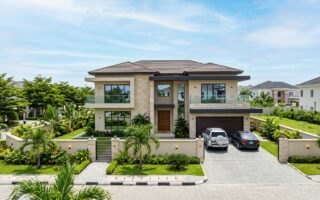
Imagine building a large house with multiple bathrooms, several living areas, extensive outdoor space, expensive finishes and complicated electrical installations.
You may be able to afford the construction today because you have savings, access to money or a good income.
But what happens if your income decreases later?
What happens when the roof needs attention?
What happens when several bathrooms require plumbing repairs?
What happens when the exterior needs repainting?
What happens when electricity, water pumps, security systems or other installations need replacement?
A house that is too expensive to maintain can eventually become a financial burden.
1. Don’t Build More House Than You Need
One of the easiest ways to reduce future maintenance costs is to avoid unnecessary size.
A large house generally means more:
- Rooms to clean
- Walls to paint
- Windows to maintain
- Electrical points to repair
- Plumbing installations to service
- Roof area to inspect
- Outdoor areas to maintain
- Security responsibilities
- Furniture and appliances to replace
If you are building for a small family, you may not need a massive house with ten bedrooms and numerous unused spaces.
Instead, consider what your family genuinely needs.
A well-designed four-bedroom house that is comfortable and easy to maintain may be a better financial decision than a much larger house that constantly consumes money.
Build for your needs, not just to impress people.
2. Consider Your Future Income
Your current income may not remain the same forever.
Businesses can experience difficult periods. Jobs can be lost. Retirement eventually comes. Family responsibilities can increase.
Therefore, don’t design your house around your highest-earning period without considering what happens if your financial situation changes.
Ask yourself:
“If my income dropped significantly, could I still maintain this property?”
This question can help you make better decisions about the size, design and finishing of your house.
A modest house that you can comfortably maintain is often better than a luxurious house that forces you into debt.
3. Choose Durable Materials, Not Just Expensive Materials
Expensive does not always mean durable.
When selecting building materials, consider quality, durability, availability and the cost of future repairs.
For example, a material may look beautiful when installed but become difficult or expensive to replace later.
Before choosing a particular product or finishing material, ask:
- How long is it expected to last?
- Is it readily available in Nigeria?
- Can replacement parts be found locally?
- How expensive is maintenance?
- Can a qualified technician easily repair it?
- What happens if the manufacturer stops producing it?
A slightly more practical material may save you money over many years.
4. Keep the House Design Simple and Practical
Complicated designs can sometimes create complicated maintenance.
Unnecessarily complex roof structures, difficult-to-access areas, elaborate exterior features and excessive decorative elements may increase future repair costs.
A practical design can still be beautiful.
For example, make sure important areas such as the roof, water tanks, drainage systems, electrical components and plumbing installations can be accessed easily when repairs are required.
A beautiful house that is difficult to repair can become an expensive house.
5. Don’t Build Too Many Bathrooms You Don’t Need
Bathrooms require regular maintenance.
They contain plumbing systems, water fixtures, drainage systems, tiles, toilets, sinks, showers and other components that can eventually develop problems.
Having more bathrooms than your household actually needs increases the number of things that can go wrong.
This doesn’t mean you should avoid having enough bathrooms.
It simply means you should balance comfort with practicality.
Build enough bathrooms for the size of your household and the way the house will actually be used.
6. Think About Roofing Maintenance
The roof protects almost everything underneath it, making it one of the most important parts of your home.
When designing your house, don’t think only about how attractive the roof will look.
Think about:
- Drainage
- Rainwater flow
- Accessibility for inspection
- Quality of roofing materials
- Replacement costs
- Maintenance requirements
- Proper installation
A complicated roof may look impressive but could be more expensive to repair.
A simpler, properly constructed roof may provide better long-term value.
7. Plan Your Drainage Properly
Poor drainage can create serious and expensive problems.
During heavy rainfall, water can damage walls, foundations, compounds and surrounding areas if it does not have a proper path to flow away.
Before construction, think carefully about where rainwater will go.
Don’t wait until the house is completed before discovering that the compound floods whenever it rains.
Good drainage planning can prevent expensive future repairs.
8. Make Electricity Easy to Maintain
Modern homes can contain many electrical installations.
From lighting systems and sockets to water pumps, security systems, air conditioners and other appliances, electricity plays a major role in maintaining a comfortable home.
When building, avoid unnecessarily complicated electrical systems that will be difficult or expensive to repair.
Use qualified professionals and make sure electrical installations are properly planned and documented.
You should also know where important electrical components are located so that future repairs don’t require unnecessary destruction of walls or ceilings.
9. Don’t Turn Your Compound Into a Maintenance Nightmare
Your compound also requires money.
Large lawns, extensive landscaping, ornamental plants, elaborate gates, outdoor lighting and decorative structures may require regular maintenance.
Think about who will maintain these features.
If you travel frequently or have a busy schedule, a property requiring constant landscaping may become difficult to manage.
A clean, attractive and practical compound can often be better than an unnecessarily complicated one.
10. Think About Security Costs
Security is another ongoing expense that homeowners need to consider.
Depending on the location and type of property, you may have expenses related to:
- Security personnel
- Fencing
- Gates
- Security lights
- Cameras
- Alarm systems
- Gate automation
- Repairs and replacements
When designing your home, consider security features that provide meaningful protection without creating unnecessary long-term expenses.
11. Build in Stages If Necessary
You don’t have to complete everything at once.
If your finances are limited, building in stages may be more sensible than taking on excessive debt just to finish a massive project immediately.
For example, you could prioritize:
- Land and proper documentation
- Foundation and structural work
- Main building
- Roofing
- Essential electrical and plumbing systems
- Basic finishing
- Additional features later
The important thing is to have a proper overall plan before starting.
Don’t build randomly and hope you will figure out the rest later.
12. Leave Room for Future Changes
Your family may grow or your circumstances may change.
Children may become adults. Elderly parents may eventually live with you. You may decide to work from home or create rental accommodation.
A good house should therefore have some flexibility.
However, flexibility doesn’t mean constructing unnecessary rooms from the beginning.
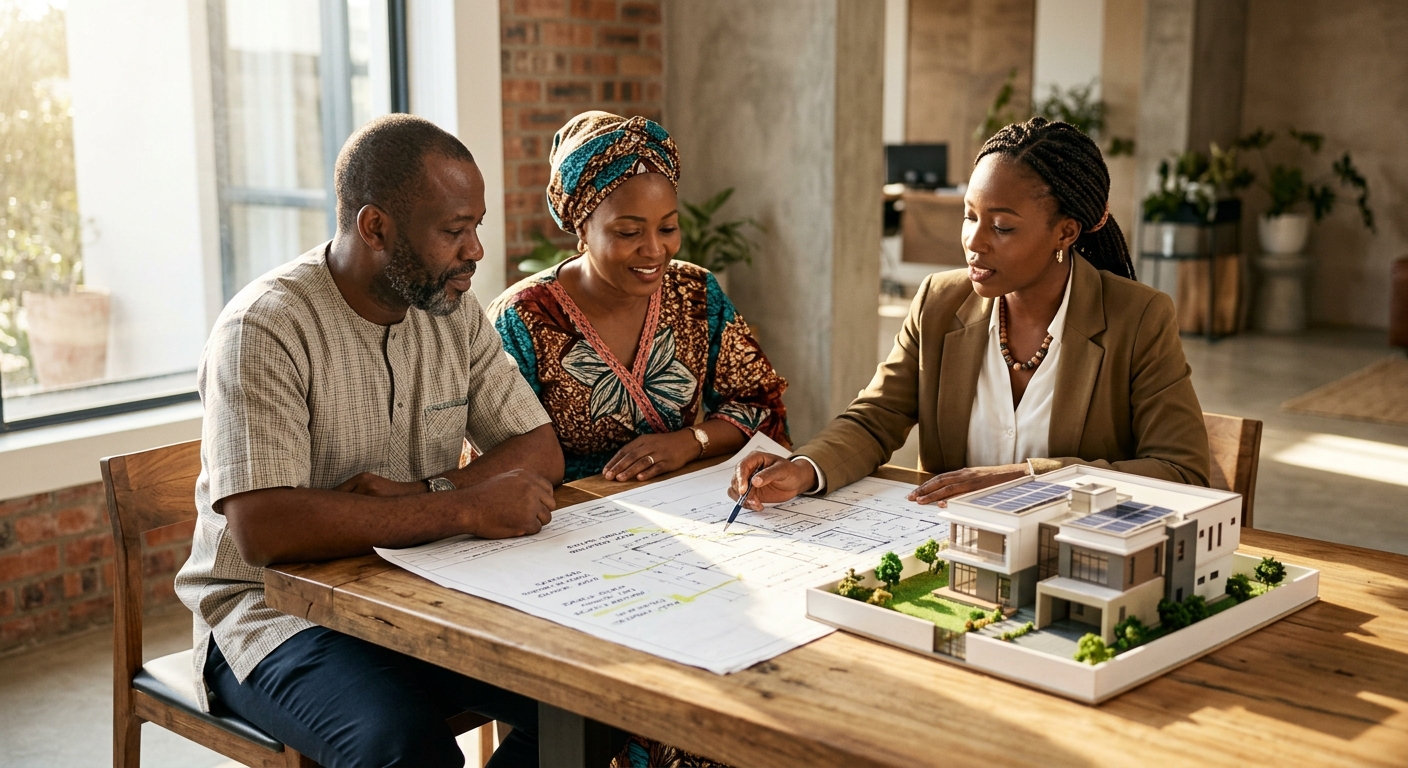
Instead, consider whether the design allows future modifications without requiring major structural changes.
13. Consider Whether You Could Rent Part of the Property
Depending on your location and design, part of the property could potentially generate income.
For example, a self-contained unit or separate apartment may provide rental income that can help offset maintenance expenses.
But don’t build rental units simply because someone says they are profitable.
Study the area first.
Ask:
- Is there rental demand?
- What type of tenants live in the area?
- What rent can realistically be achieved?
- Will the additional construction cost make financial sense?
- Will tenants have adequate privacy?
- Can the property be managed easily?
Real estate decisions should be based on actual demand rather than assumptions.
14. Think About the Cost of Repainting
Painting is one of those expenses homeowners sometimes underestimate.
Exterior walls are exposed to rain, sunlight, dust and other environmental conditions.
A large house naturally means more surface area to maintain.
When selecting colours and finishes, think beyond the initial appearance.
Ask how easy they will be to clean and maintain and how often repainting may be required.
15. Avoid Building Just to Compete With Others
This may be one of the most important lessons.
Someone in your neighbourhood may build a massive mansion.
A friend may construct a house with expensive imported materials.
A relative may have a bigger compound.
That doesn’t mean you need to compete with them.
Your house should fit your finances, family and long-term plans.
Building beyond your financial capacity simply to impress people can leave you with years of debt and maintenance pressure.
Nobody else will pay your electricity bills, repair your leaking roof or repaint your house.
You will.
16. Calculate the Total Cost of Ownership
Before construction begins, don’t calculate only the building cost.
Think about the total cost of owning the property.
This can include:
- Construction
- Property taxes or applicable local charges
- Security
- Electricity
- Water
- Cleaning
- Waste disposal
- Landscaping
- Repairs
- Painting
- Plumbing
- Electrical maintenance
- Roofing repairs
- Insurance, where applicable
- Renovations
- Replacement of appliances and equipment
You may discover that a smaller property makes much more financial sense once all these costs are considered.
17. Ask Yourself One Important Question
Before you approve the final building design, ask:
“If I stop earning as much money as I do today, can I still comfortably live in and maintain this house?”
If the answer is no, consider reducing the size or complexity of the project.
There is nothing wrong with building a smaller house today and improving it later when your finances allow.
The Best House Is Not Necessarily the Biggest House
A successful home is not necessarily the one with the largest number of rooms, the most expensive tiles or the biggest compound.
A successful home is one that provides comfort and security without constantly putting financial pressure on the owner.
Build a house that serves your family—not a house that controls your finances.
Before laying the foundation, think about the next 10, 15 and 20 years.
Will you still be able to maintain it?
Will repairs be affordable?
Will the design remain practical?
Will the property still suit your family?
Will you be able to pay for security, water, electricity and other recurring expenses?
If you cannot confidently answer these questions, it may be time to rethink the project.
Final Thoughts
Building a house should be a source of security and peace of mind, not a permanent financial burden.
You don’t have to build the biggest house you can afford today. Instead, build a home that matches your present circumstances while leaving room for your future.
Choose practical designs. Use durable materials. Plan your drainage and utilities properly. Avoid unnecessary complexity. Consider future repairs and calculate the real cost of ownership.
Most importantly, don’t let the desire to impress people push you into building a house you cannot comfortably maintain.
A modest house that remains beautiful, functional and affordable to maintain for decades can be a much better investment than a spectacular house that becomes a burden a few years after completion.
Build wisely today so that you can enjoy your home tomorrow.